

On This Day in Pop: May 16, 1983
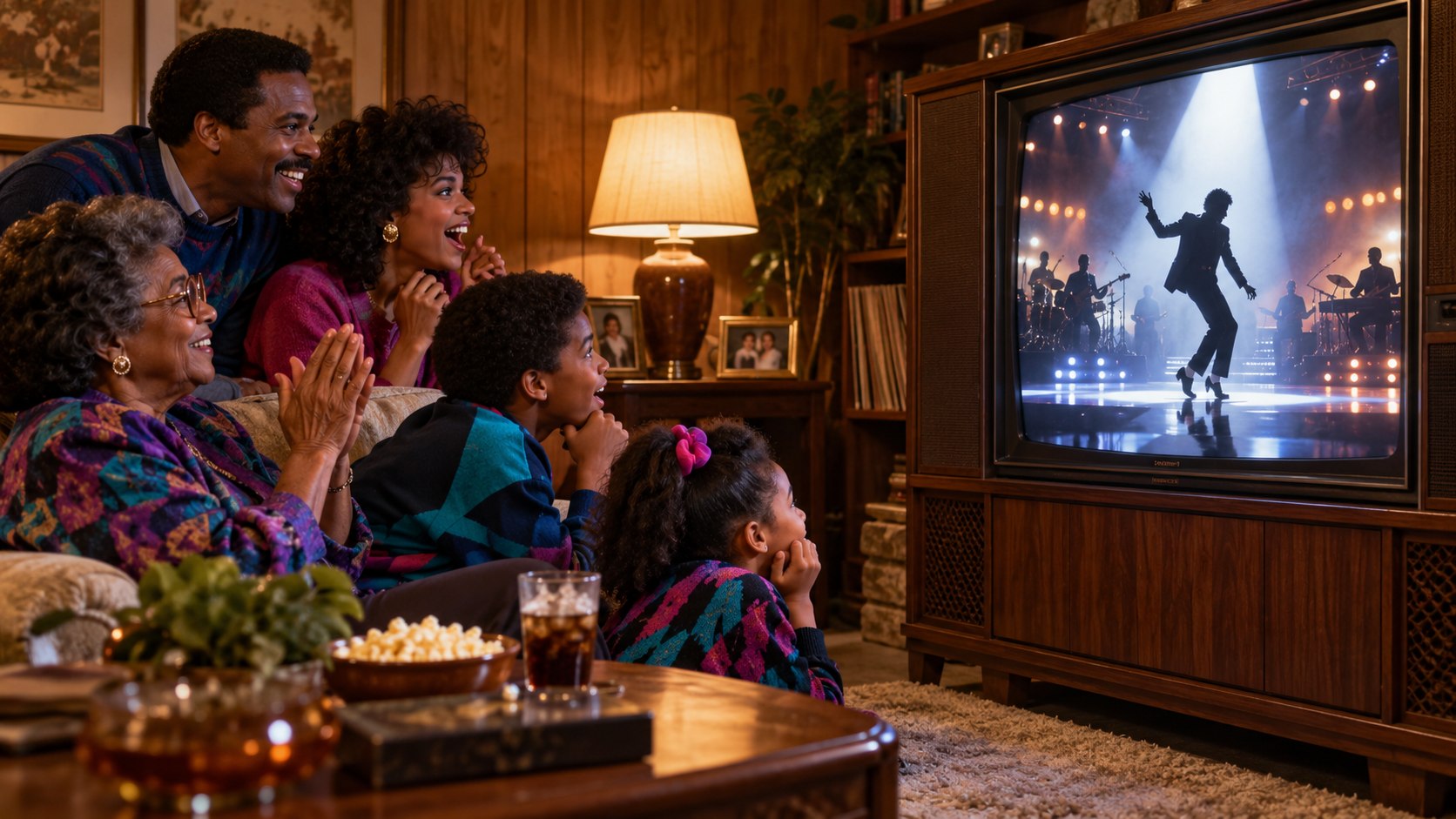
On May 16, 1983, NBC broadcast Motown 25: Yesterday, Today, Forever, a television special celebrating the label founded by Berry Gordy. Suzanne de Passe served as executive producer, Richard Pryor hosted, and a large lineup brought together artists from different periods of Motown history. The program had been taped at the Pasadena Civic Auditorium on March 25, so the May anniversary belongs to the national broadcast rather than the live performance. Its defining sequence came when Michael Jackson reunited with his brothers, then remained alone to perform Billie Jean. During the instrumental break he glided backward in the step soon known worldwide as the moonwalk. Millions saw the movement at once, turning a carefully prepared stage performance into a near-instant piece of shared cultural memory.
The special balanced reunion, competition and corporate history. The Four Tops and Temptations traded songs, Marvin Gaye performed What’s Going On after discussing Black music, and Diana Ross appeared with Mary Wilson and Cindy Birdsong. Motown had moved from Detroit to Los Angeles in the previous decade, and the anniversary program packaged its past for a network audience while promoting continuing relevance. Jackson’s solo was particularly potent because Thriller was already rising into a phenomenon, yet many viewers had not seen him command a stage without the Jacksons. He did not invent backward-gliding dance, and the broadcast should not erase earlier Black performers who developed related steps. His achievement was to combine influences, costume, timing and television scale into an image that traveled immediately.
Motown 25 won major recognition and became one of the most frequently recalled music specials in American television. Jackson’s performance accelerated his transformation from recording star into the defining visual pop performer of the decade, and later broadcasts, home video and online clips kept the moment available. The program also reminded a mass audience how deeply Motown’s writers, musicians and singers had shaped postwar popular music, though the polished celebration could not fully represent the labor disputes and business tensions behind that history. May 16 is important because broadcast changed the meaning of an event recorded weeks earlier. The people in Pasadena witnessed a performance, but television synchronized attention across millions of homes. That difference explains why the airdate, not only the taping date, became the anniversary attached to the moonwalk’s entry into mainstream culture. The broadcast also preserved choreography that might otherwise have remained known mainly to the people inside the auditorium. Television did not merely report the performance; camera placement, editing and replay helped manufacture the iconic version audiences remember.
The special was taped March 25 but broadcast nationally on NBC on May 16, 1983.
Suzanne de Passe executive-produced and Richard Pryor hosted.
Michael Jackson performed Billie Jean after reuniting with his brothers.
The televised moonwalk drew on earlier Black dance traditions rather than appearing without precedent.
The program reunited major Motown performers and staged label history for a mass audience.
Its broadcast accelerated Jackson's rise as the decade's defining visual pop star.
Explore more of "On This Day ..."
Discover more events from the same date across news, politics, technology, sports, and other fields. Each link highlights significant moments that shaped history on different fronts.