

On This Day in Pop: July 24, 1998
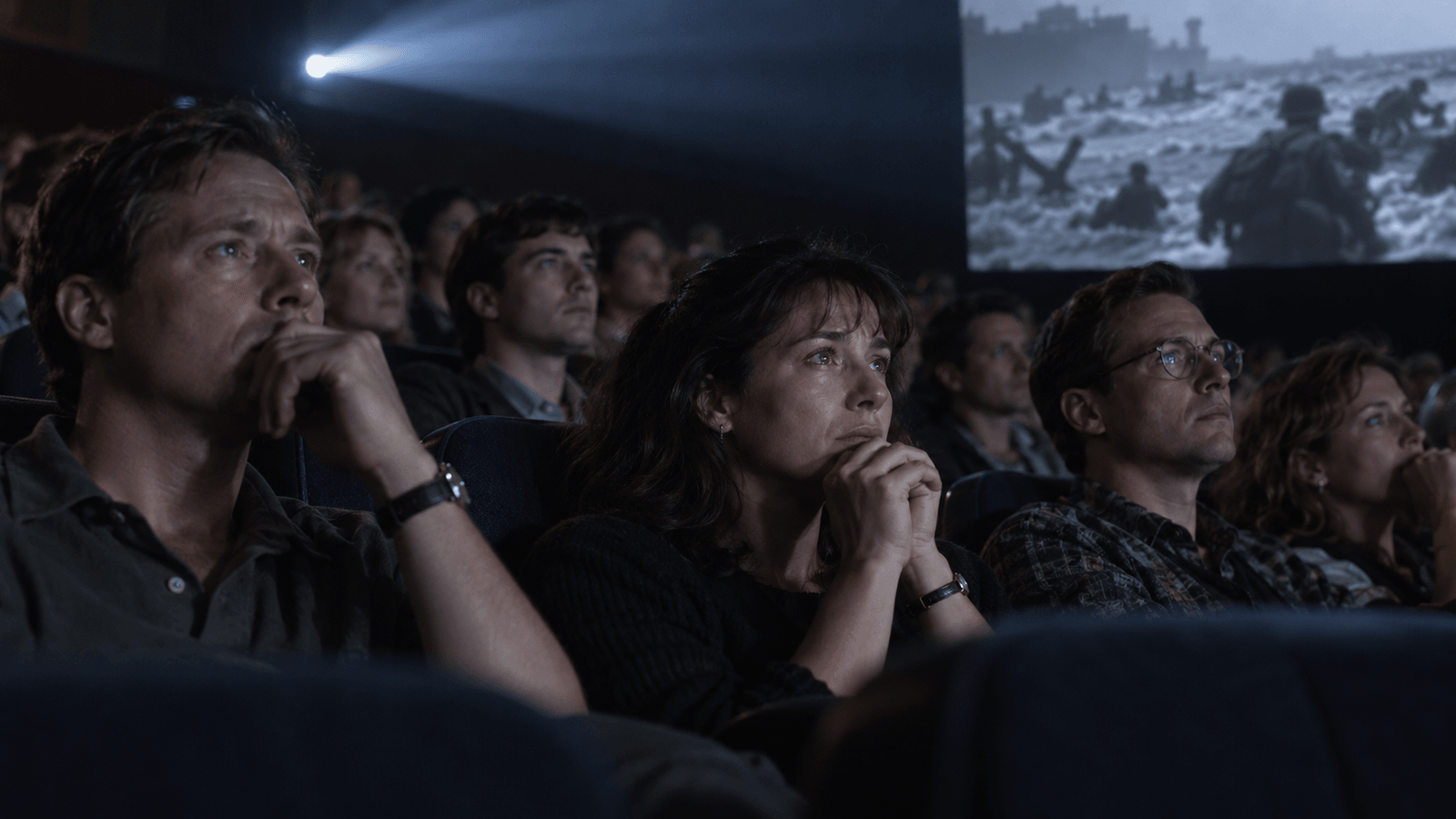
On July 24, 1998, Saving Private Ryan opened in American theaters. Steven Spielberg directed Tom Hanks as Captain John Miller, who leads a squad through occupied France to find paratrooper James Ryan after three of Ryan’s brothers are killed. The opening combat sequence on Omaha Beach used handheld cameras, altered shutter timing, muted color and dense sound design to place viewers inside confusion rather than above it. Practical effects and carefully choreographed extras made the landing feel chaotic without abandoning spatial purpose. After that assault, the film narrows into a mission whose moral question is explicit: how many lives should be risked to bring one soldier home?
The release mattered because its battle imagery changed the visual language of war films, television and games. Audiences and veterans described the opening as unusually intense, and theaters provided information about support for viewers affected by memories of combat. The film combines brutal immediacy with a traditional story of sacrifice, which has led to continuing debate about whether its realism challenges heroic myth or strengthens it. The squad includes familiar archetypes, but performances and long stretches of waiting allow fear, resentment and uncertainty to complicate the mission. John Williams’s restrained score largely stays away from combat itself, leaving machinery and human distress to carry the violence.
Saving Private Ryan became a major commercial success, won five Academy Awards including Spielberg’s second directing Oscar and entered the National Film Registry. Its loss of Best Picture to Shakespeare in Love remains a standard example in arguments about awards, while the HBO miniseries Band of Brothers extended the production team’s interest in World War II memory. Later works copied the beach sequence’s desaturated color and staccato motion, sometimes without its ethical attention. July 24 marks a movie that made audiences feel they were seeing screen combat anew, even though every frame was meticulously constructed. Its legacy lies in that tension between authenticity and artifice, horror and commemoration, individual rescue and the vast human cost surrounding it.
Remembering saving private ryan opens in u.s. theaters on July 24 is valuable because anniversaries turn a familiar cultural object back into a specific decision, release or broadcast. The surrounding technology, business and audience conditions explain why the moment could happen then, while its later uses show that meaning never stops changing. Seen at that scale, the date is not trivia. It is a checkpoint between creation and memory: a place to separate what occurred from the legend accumulated around it and to ask why the work still attracts attention. That perspective also restores the labor of collaborators, distributors and audiences whose choices helped a single event travel beyond its first setting. Cultural history becomes clearer when the remembered icon is reconnected to the systems and people that made it visible.
Saving Private Ryan opened in the United States on July 24, 1998.
The remembered moment placed Saving Private Ryan inside the technology, audience habits and creative choices of 1998. Those conditions explain why it could happen then and why contemporary reactions differed from later memory.
Its Omaha Beach sequence used handheld photography, altered shutter timing and layered sound to portray combat confusion.
Its immediate importance came from the way audiences, distributors and other creators responded. The event gained force beyond its first release or appearance as people repeated, debated and reinterpreted it.
The film won five Academy Awards and strongly influenced later screen depictions of war.
Over time, the event became a reference point for later work in popular culture. Its legacy includes both the achievement itself and the changing arguments about what should be celebrated, questioned or rediscovered.
Explore more of "On This Day ..."
Discover more events from the same date across news, politics, technology, sports, and other fields. Each link highlights significant moments that shaped history on different fronts.