What Is Speech Enhancement?
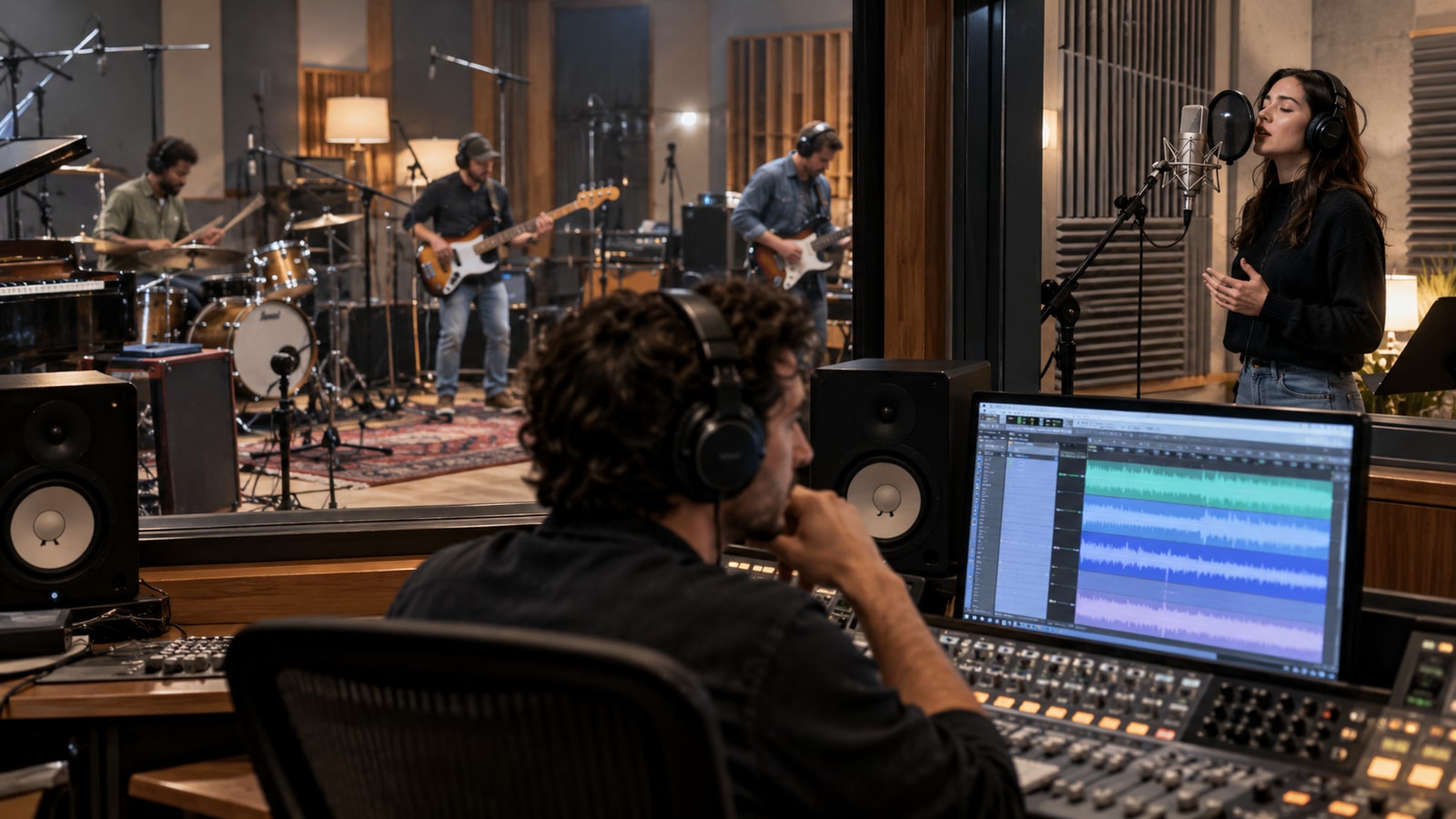
Speech enhancement reduces noise, reverberation, or interference in an audio signal so spoken words are clearer or easier to process.

Don't Just Read it – Explore It
Speech enhancement reduces noise, reverberation, or interference in an audio signal so spoken words are clearer or easier to process.
Visual question answering asks a model to answer a natural-language question using evidence from an image.
A vision-language model learns relationships between images and natural language so it can compare, describe, or reason across both.
Image captioning generates a natural-language description of the visible content and relationships in an image.
Optical character recognition converts images of printed or handwritten characters into machine-readable text.
Object detection finds and classifies multiple objects in an image, usually by predicting a box and confidence score for each one.
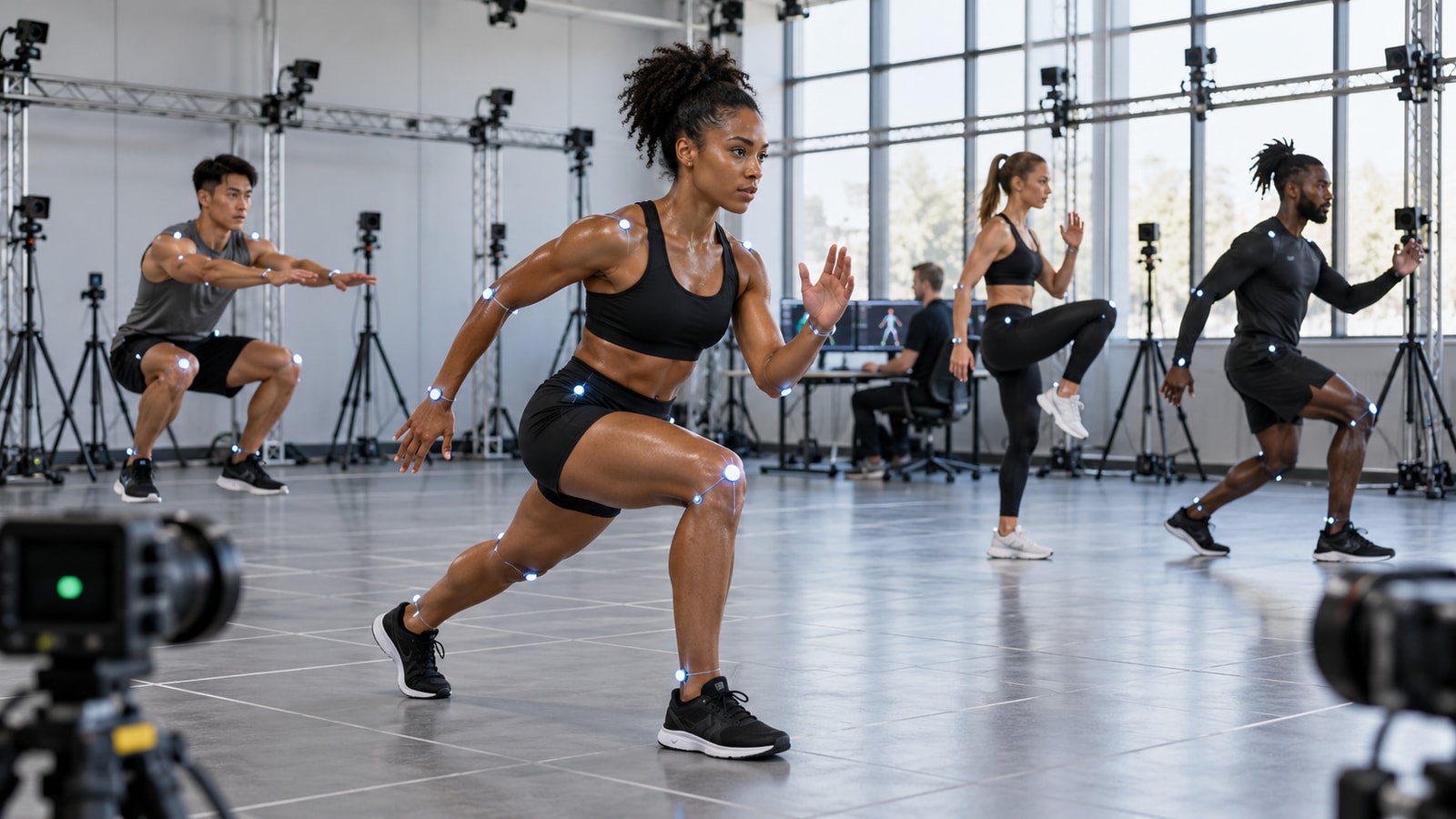
Human pose estimation predicts the positions of body joints in images or video to describe how one or more people are arranged.
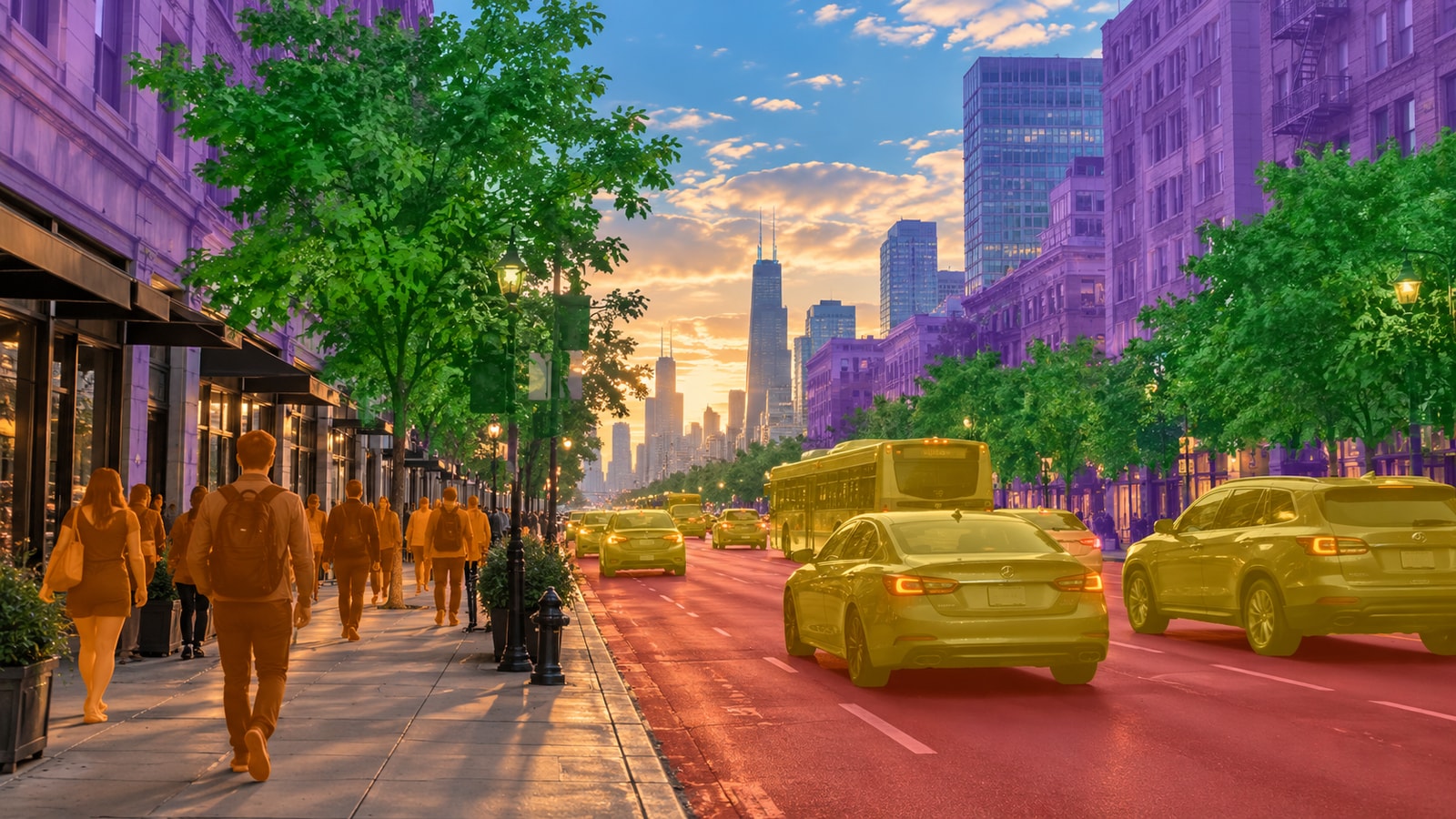
Image segmentation assigns a category or object identity to pixels so a computer can separate meaningful regions in a picture.
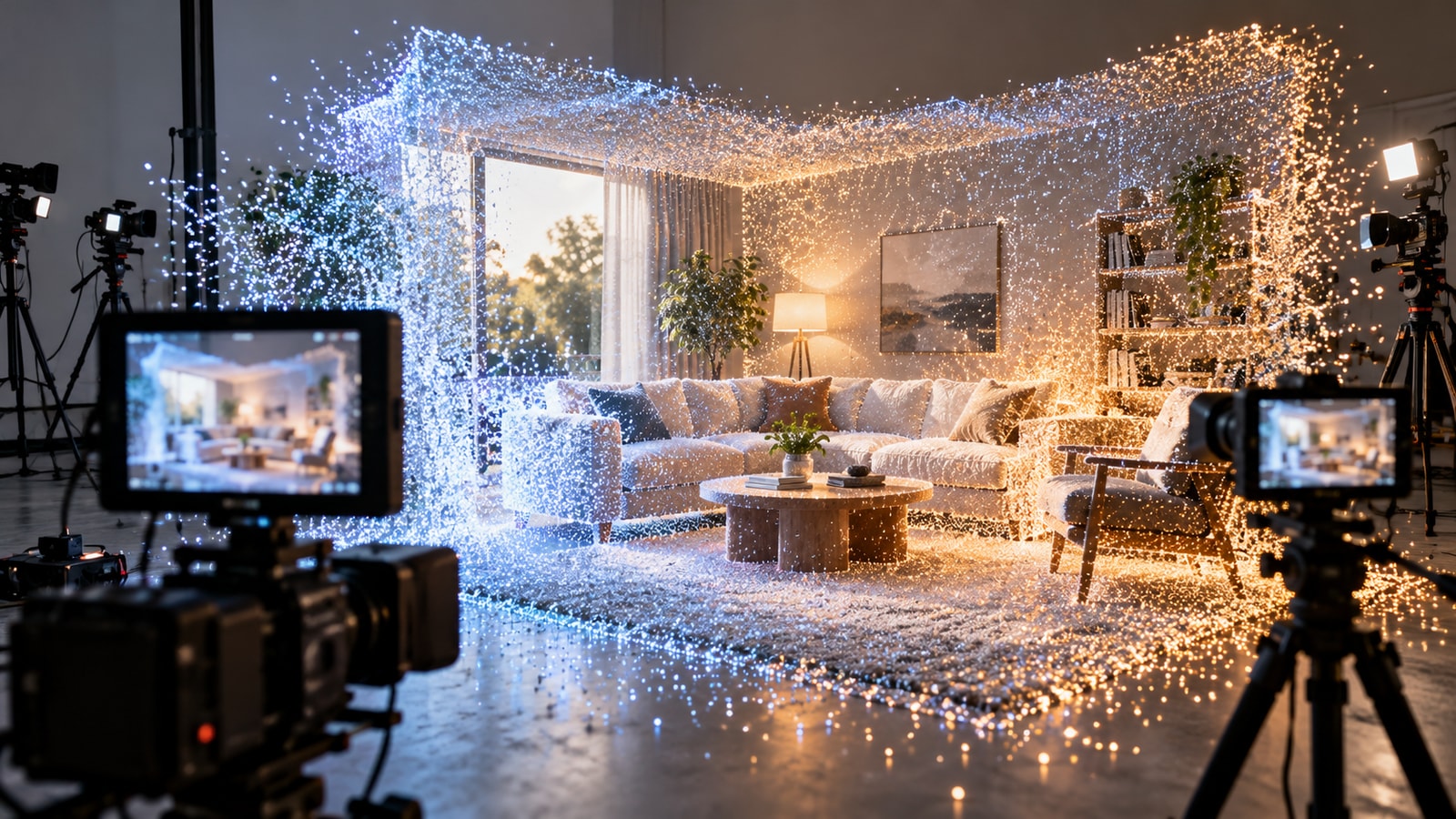
3D Gaussian splatting represents a scene with many soft 3D particles that can be projected quickly into realistic images.
Optical flow estimates how image patterns move from one video frame to the next, usually as a motion vector for each pixel.
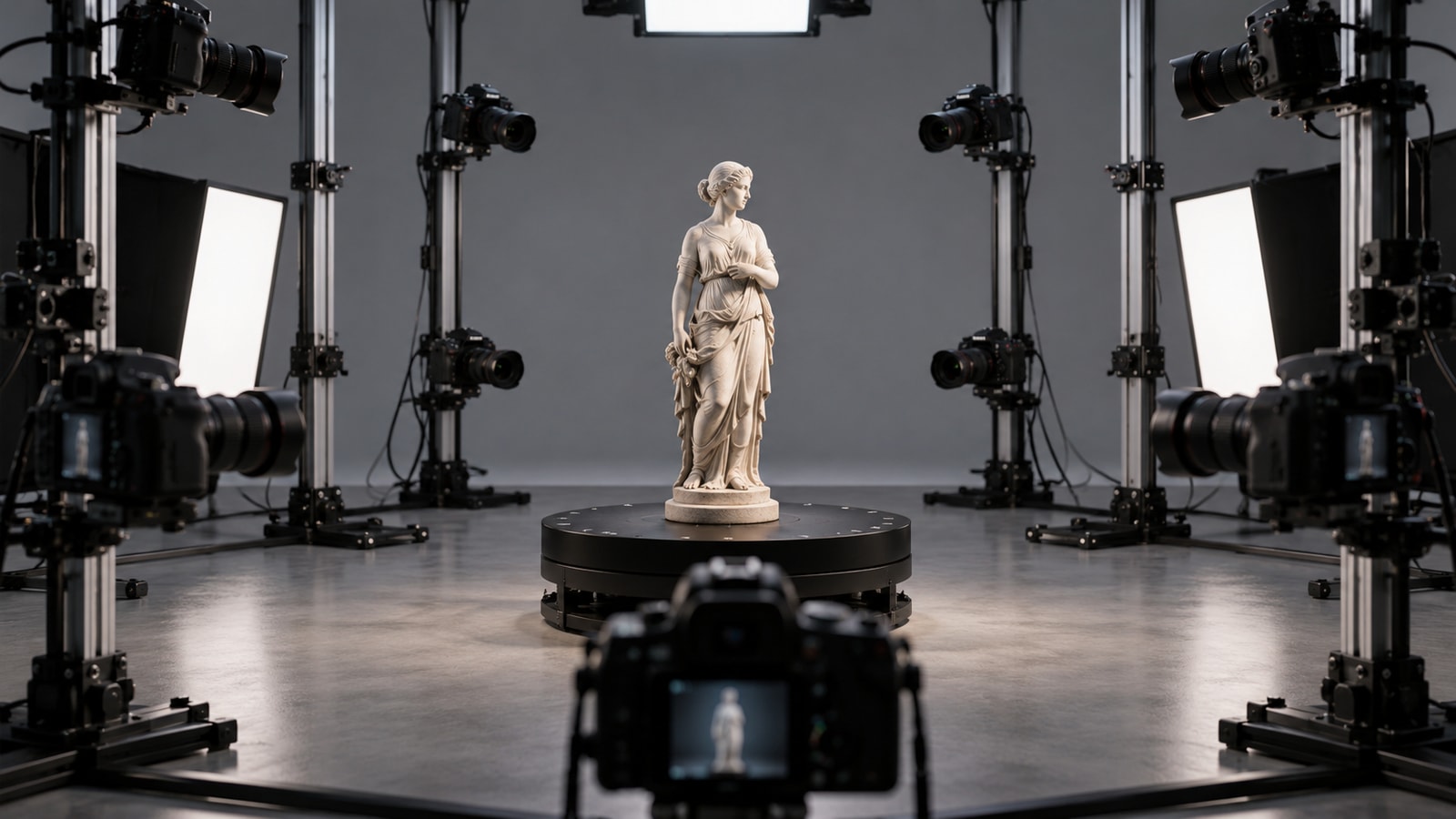
A neural radiance field learns a continuous 3D scene representation from photographs taken at known camera viewpoints.
A hypernetwork is a neural network that generates some or all of the weights used by another neural network.