What Is Semi-Supervised Learning?
Semi-supervised learning trains with a small labeled dataset and a larger collection of unlabeled examples.

Don't Just Read it – Explore It
Semi-supervised learning trains with a small labeled dataset and a larger collection of unlabeled examples.
Catastrophic forgetting occurs when learning new information causes a neural network to lose previously acquired capabilities.
Curriculum learning controls the order or difficulty of training examples so a model encounters material in a staged progression.
Continual learning trains a system on a sequence of changing tasks or data while trying to preserve earlier capabilities.
Inverse reinforcement learning infers a reward function that could explain an observed expert’s behavior.
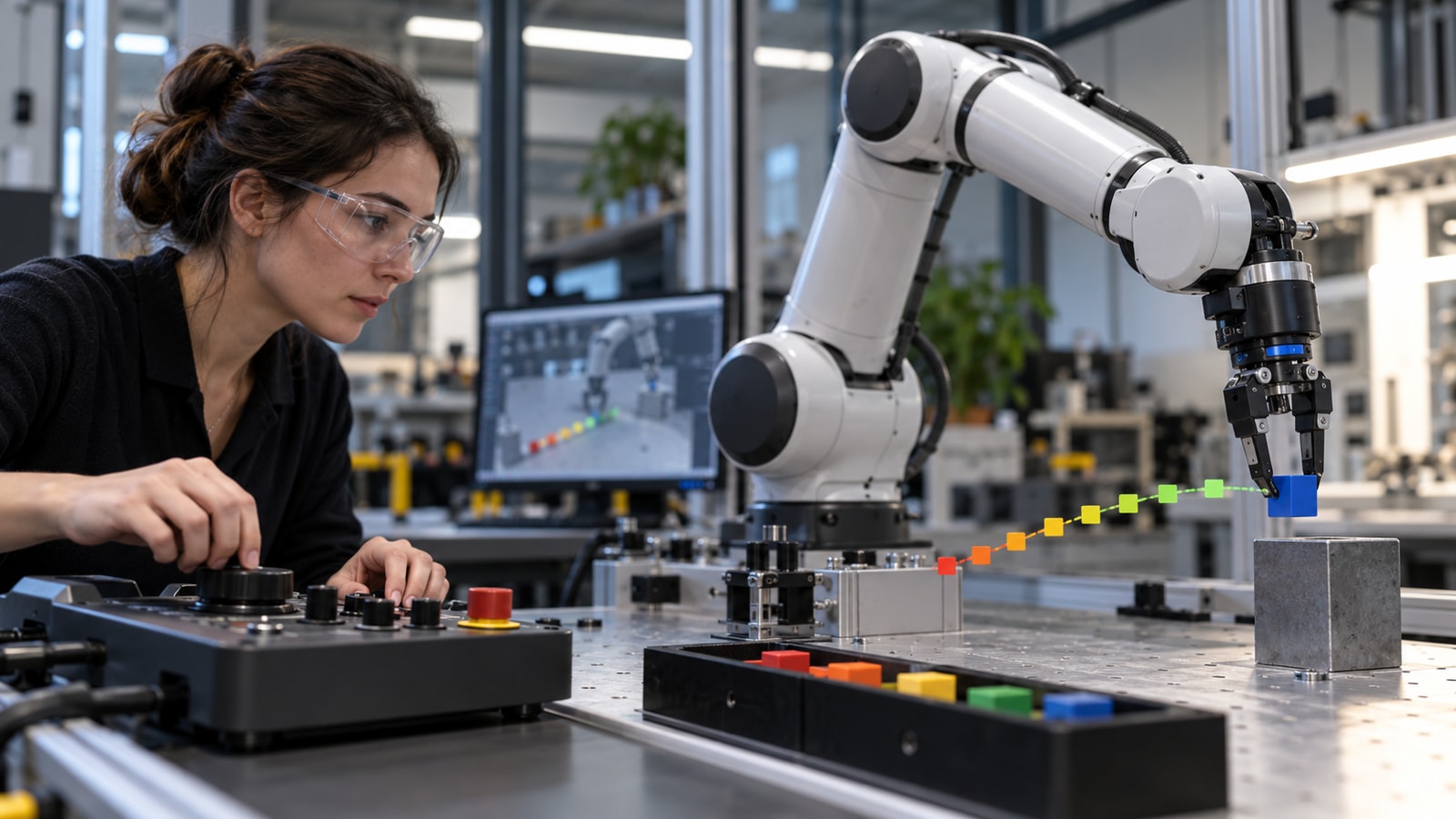
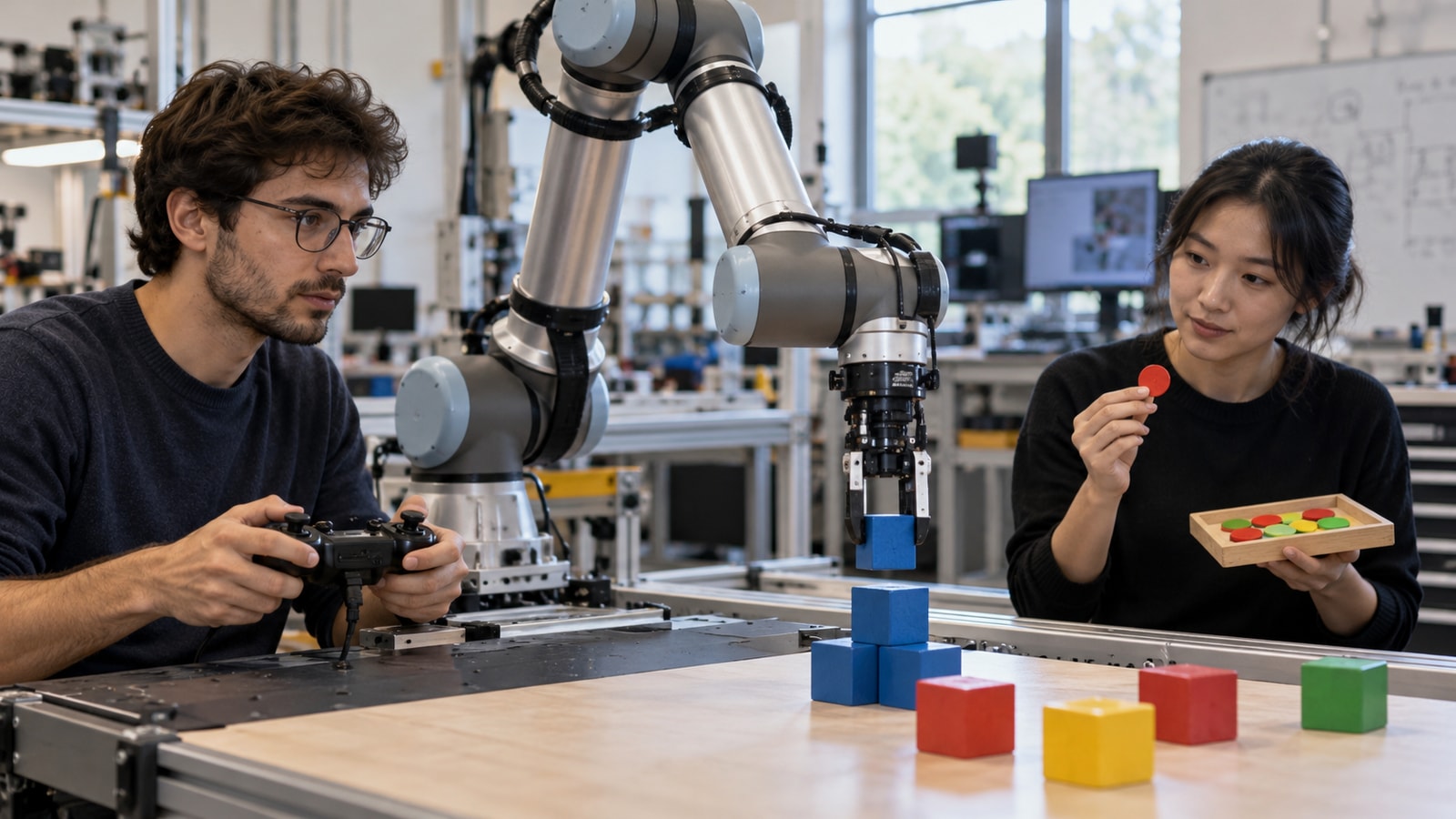
Imitation learning trains a policy from demonstrations of behavior rather than relying only on a hand-designed reward signal.
A policy-gradient method adjusts policy parameters in the direction estimated to increase expected cumulative reward.
An actor-critic method combines a policy that chooses actions with a value estimator that evaluates those choices.
A multi-armed bandit models repeated choices where a learner must balance trying uncertain options with using the best-known option.
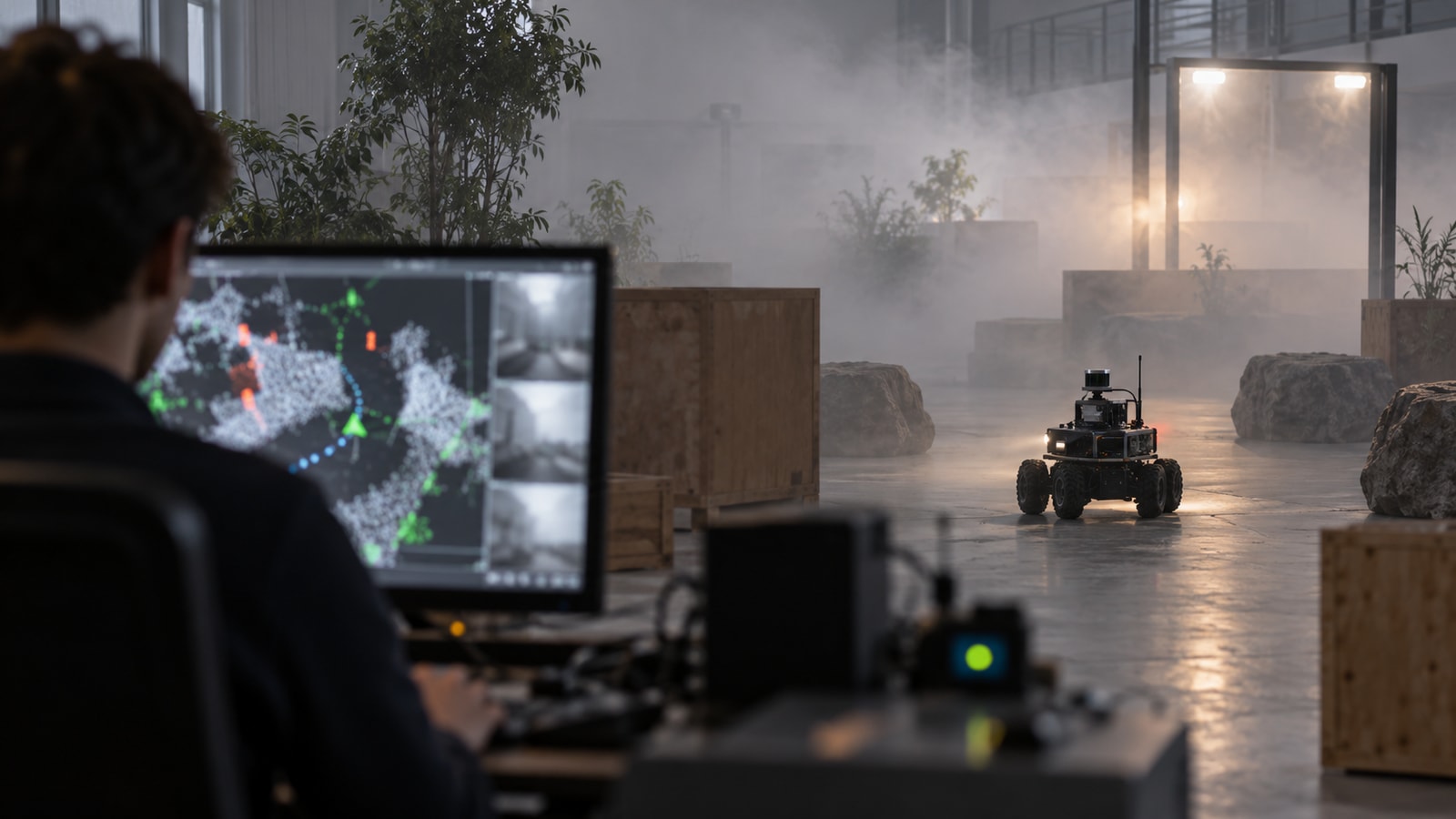
A POMDP models sequential decisions when an agent cannot directly observe the true underlying state.
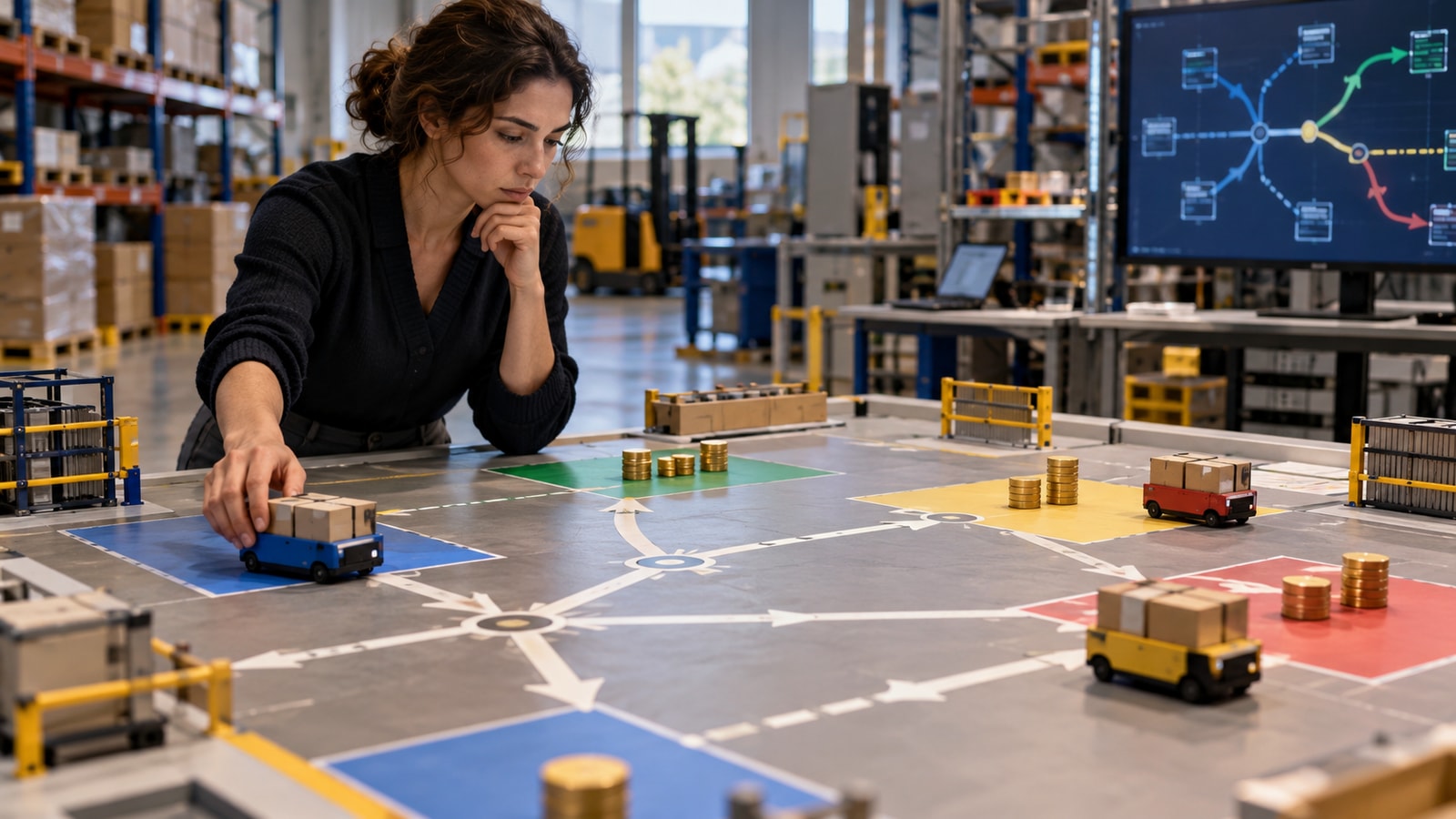
A Markov decision process models sequential choices with states, actions, transition probabilities, rewards, and a discount factor.
Swarm intelligence describes problem-solving behavior that emerges from many simple agents interacting locally.