Drew Houston, 2013
Houston reframes failure as part of the search for one consequential success, provided each attempt learns and limits harm.

Don't Just Read it – Explore It
Houston reframes failure as part of the search for one consequential success, provided each attempt learns and limits harm.
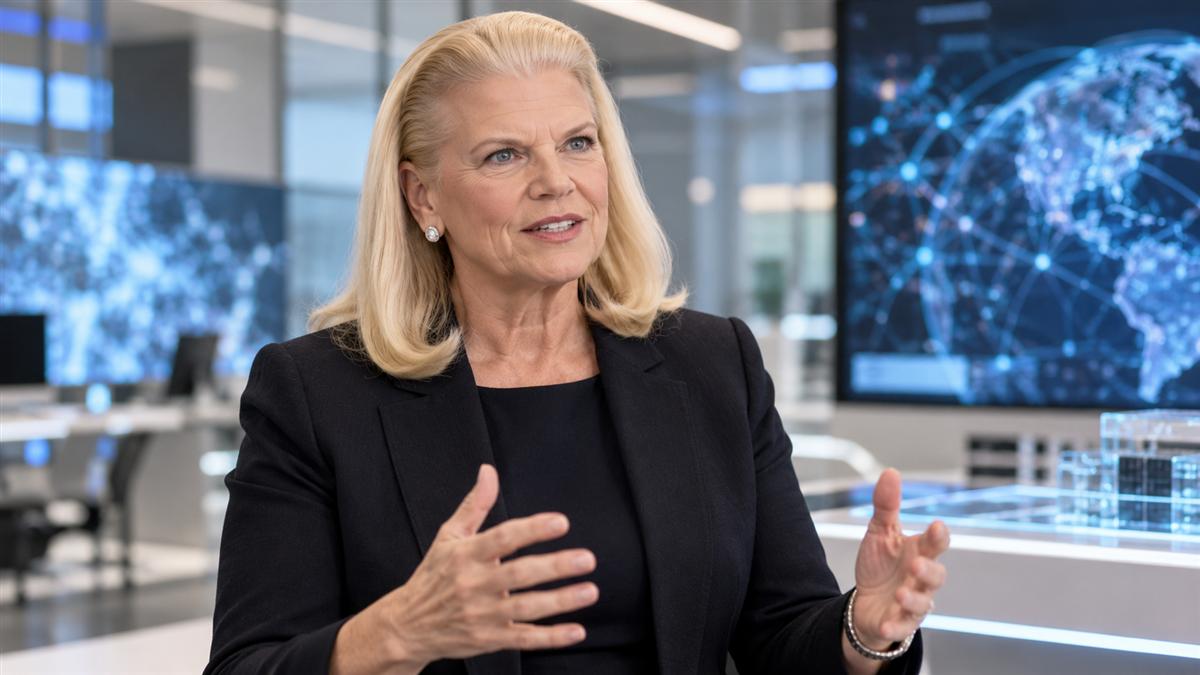
Rometty links growth with leaving familiar competence behind, while responsible leaders provide the security needed to learn.
Hoffman urges founders to launch early enough to learn, while responsible teams keep safety, honesty, and rollback intact.
Blank treats business plans as hypotheses and customer contact as the evidence that turns attractive assumptions into a viable model.
Scott joins personal care with direct challenge, making useful feedback both clear enough to act on and humane enough to hear.
Hsieh argues that customers ultimately experience internal culture, making operating systems—not advertising—the foundation of brand.
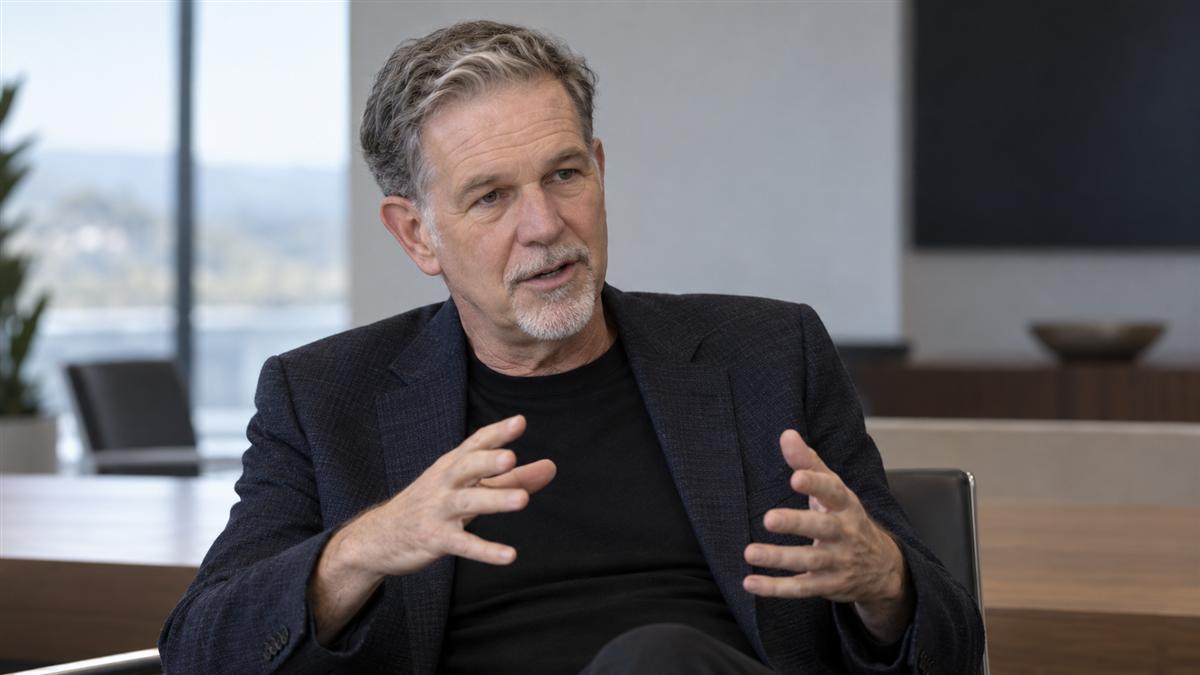
Netflix’s blunt talent rule prioritizes high performance, while raising hard questions about fairness, fear, evidence, and managerial power.
Chesky favors deep value for a small group because strong early relationships reveal what responsible scale must preserve.
Anderson argues that the scale of business creates a duty to redesign industry toward ecological repair with public accountability.
Roddick explains how survival constraints can focus entrepreneurial creativity—without making chronic insecurity a management ideal.
Su’s career advice directs talent toward consequential problems, supported by diagnosis, authority, resources, and disciplined learning.
Walker’s self-starting principle joins personal agency with a business model that created opportunity for customers and other entrepreneurs.