Nilofer Merchant, 2013
Merchant uses the walking meeting to show how physical context can reshape attention and ideas.

Don't Just Read it – Explore It
Merchant uses the walking meeting to show how physical context can reshape attention and ideas.
Harford replaces confident prediction with disciplined experiments that learn from complex reality.
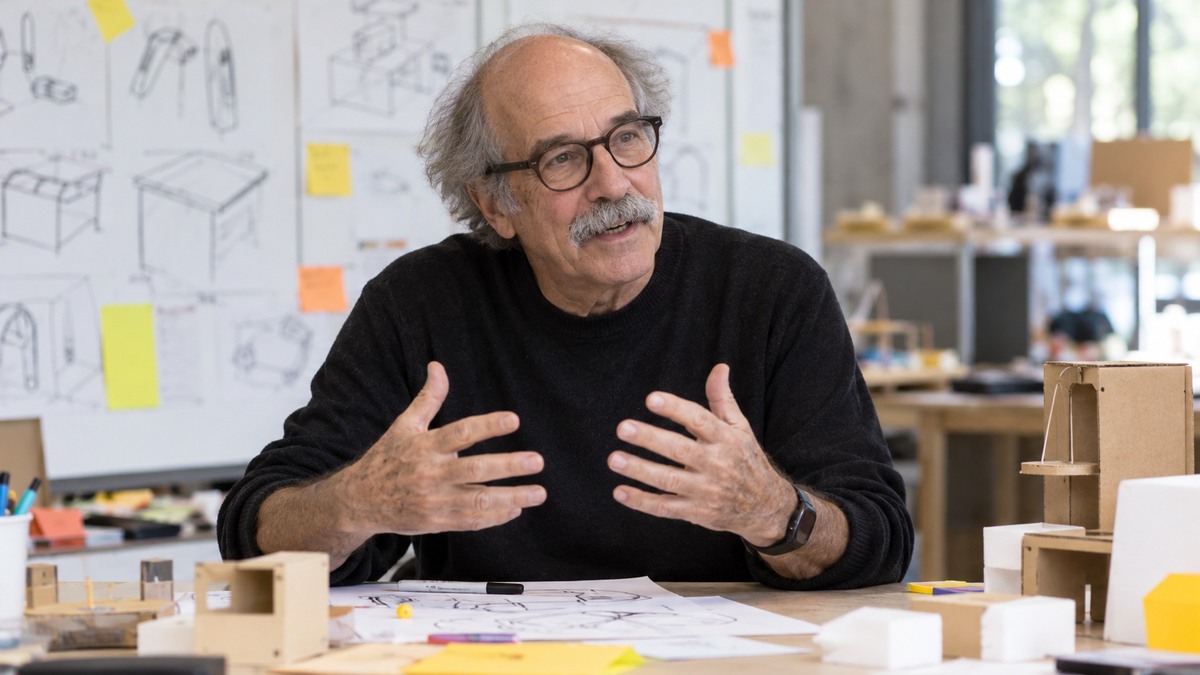
Wujec explains why early prototypes expose hidden constraints before plans become expensive commitments.
Kelley shows how guided experiments can restore the creative confidence required for useful innovation.
Tata combines persistence with the willingness to improve, reconceive, and stop protecting a failed assumption.
Murthy’s metaphor highlights the agency, knowledge, and daily trust on which a people-intensive company depends.
Hyman pairs ambition with attention to the daily relationships, learning, and practices that make the journey worthwhile.
Lake shows that early leadership often begins with the credible ability to bring capable people into shared creation.
Jackley defines entrepreneurship as purposeful agency while preserving the importance of fair access and institutions.
Omidyar’s trust assumption shows how marketplaces can support honest participation without ignoring abuse.
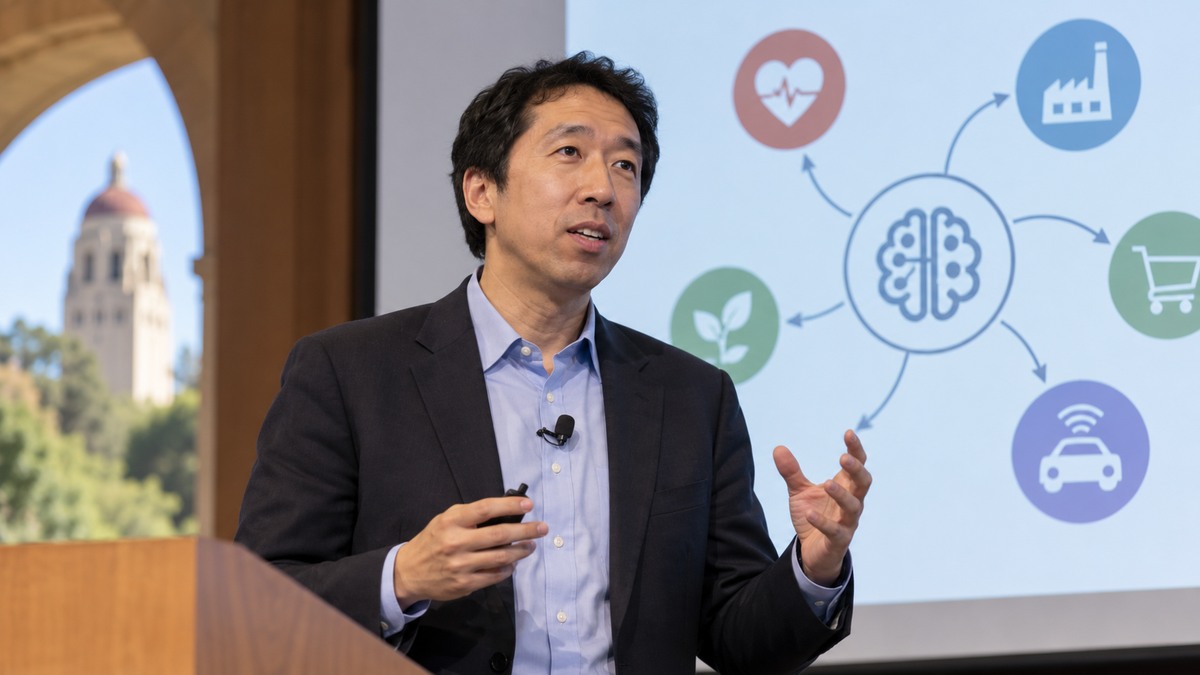
Ng’s electricity analogy frames AI as a general-purpose technology requiring broad organizational redesign.
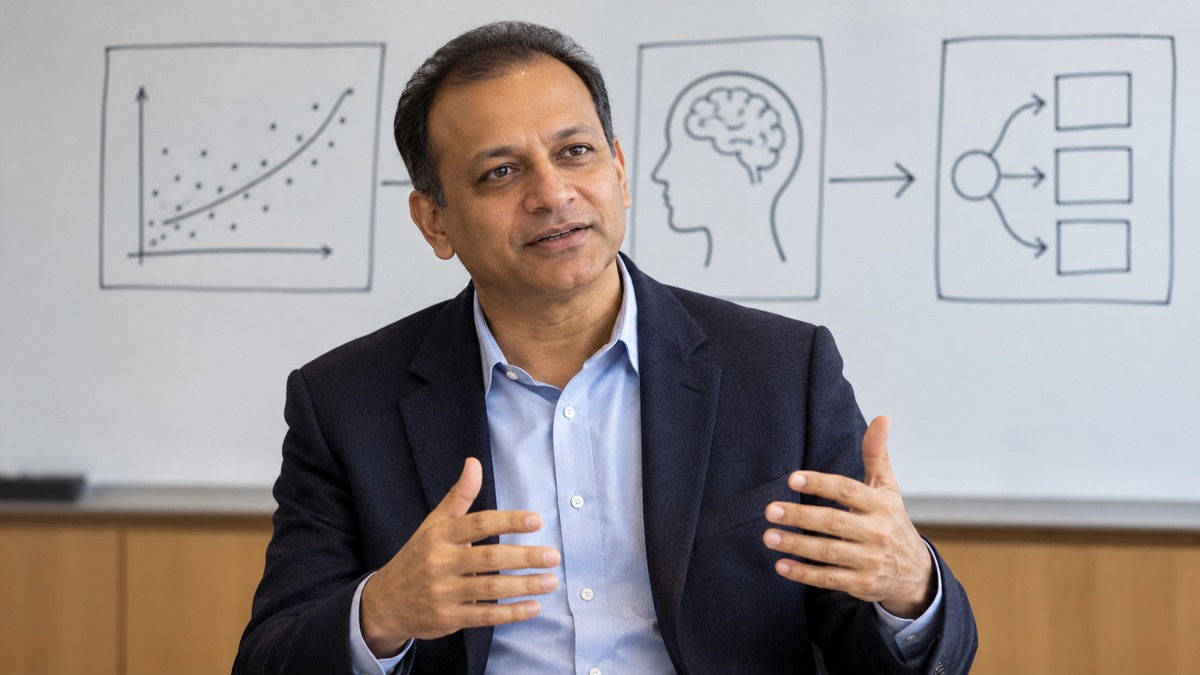
Agrawal frames AI as cheaper prediction whose value depends on judgment, action, data, and workflow design.