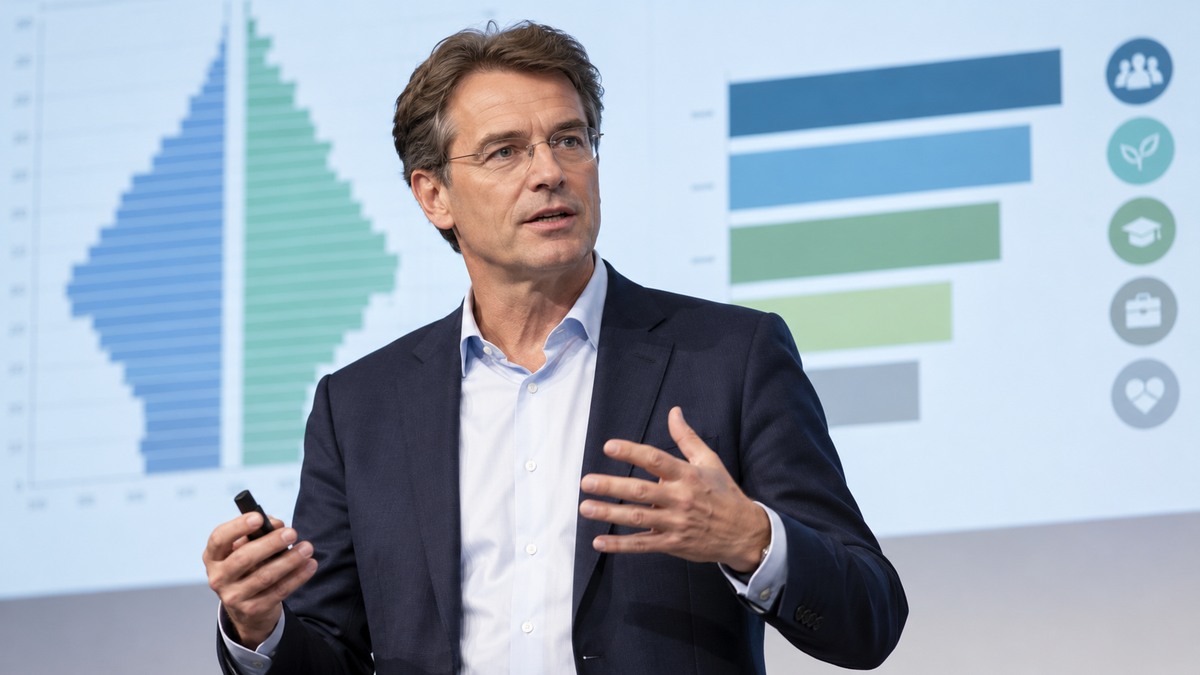
Alex Edmans, 2014
Edmans explains how stakeholder value can support long-term performance without erasing ethical duties.

Don't Just Read it – Explore It
Edmans explains how stakeholder value can support long-term performance without erasing ethical duties.
Leberecht argues that technological efficiency should be matched by deliberate dignity and human meaning.
Webb frames strategic foresight as a disciplined way to preserve choice and shape possible futures.
Duarte shows how truthful structure can turn a presentation into an invitation to responsible change.
Headlee treats balanced conversation as a practical system for discovering information and trust.
Chang reframes hard choices as commitments that help define an organization’s character.
Iyengar explains why choice creates value only when people can understand meaningful differences.
Achor shows how patterns of attention shape action while facts and working conditions still matter.
David explains how emotional agility turns discomfort into information for values-aligned action.
McAfee warns that accelerating technology demands plans for productivity, work, and broadly shared gains.
Strack argues that specific, fair recognition is central to attracting and retaining capable people.
Radjou shows how constraints can focus ingenuity on simpler, affordable, and resilient solutions.