Probiotics
Probiotics explained: why strains and evidence matter, how foods differ from supplements, and why more live microbes do not guarantee greater benefits.

Don't Just Read it – Explore It
Probiotics explained: why strains and evidence matter, how foods differ from supplements, and why more live microbes do not guarantee greater benefits.
Pulmonary rehabilitation explained: how supervised exercise, education, and support help people with lung disease manage breathlessness and daily tasks.
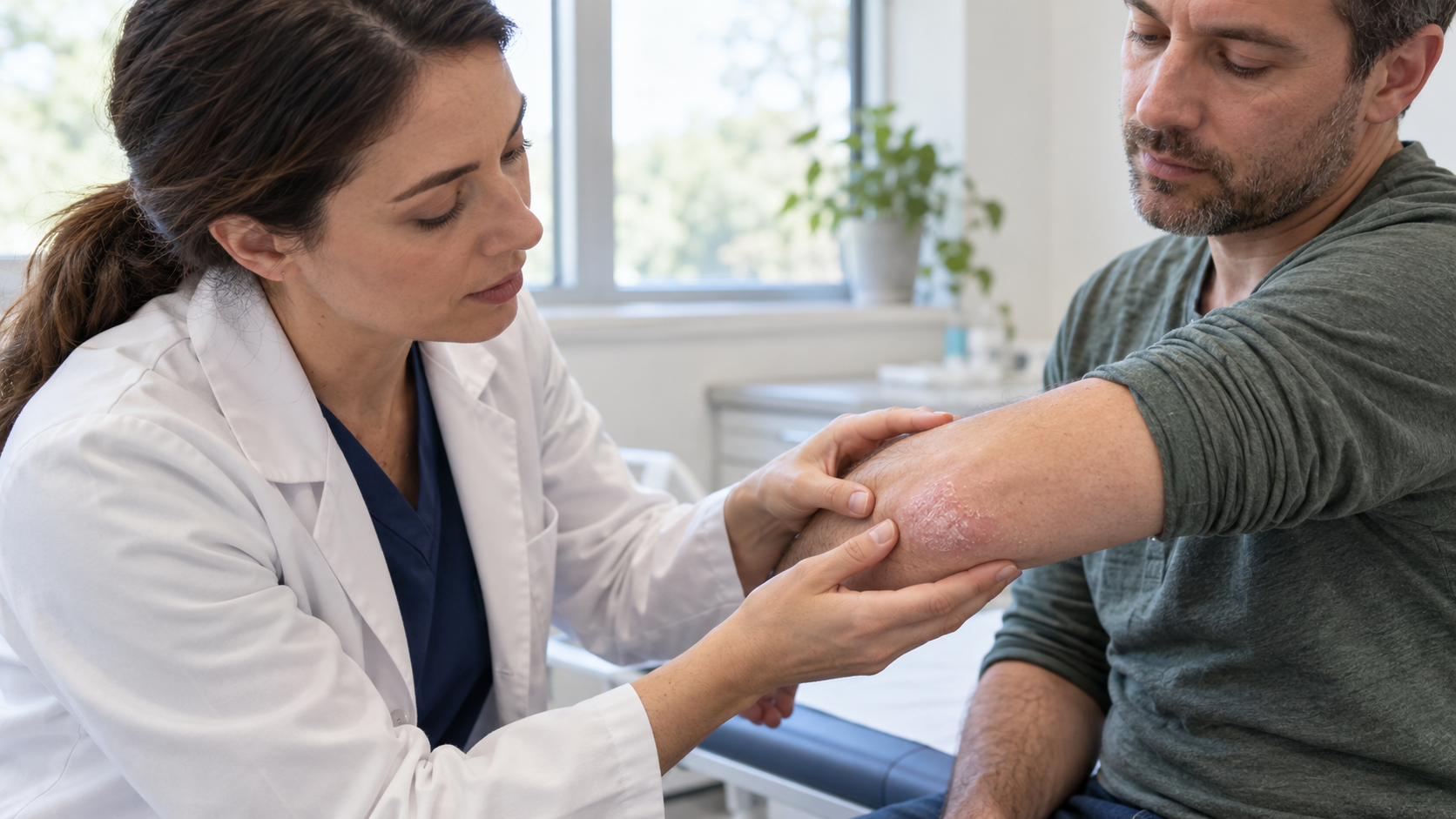
Psoriasis explained: how immune activity changes the skin, why it is not contagious, and how treatment considers symptoms, location, and wider health.
PTSD explained: how trauma-related symptoms persist, what assessment considers, and how effective treatment can support recovery and daily life.
Raynaud’s explained: why cold or stress can change finger circulation, how primary and secondary forms differ, and when symptoms need assessment.
Acid reflux explained: why stomach contents travel upward, when repeated symptoms become GERD, and how assessment and treatment differ.
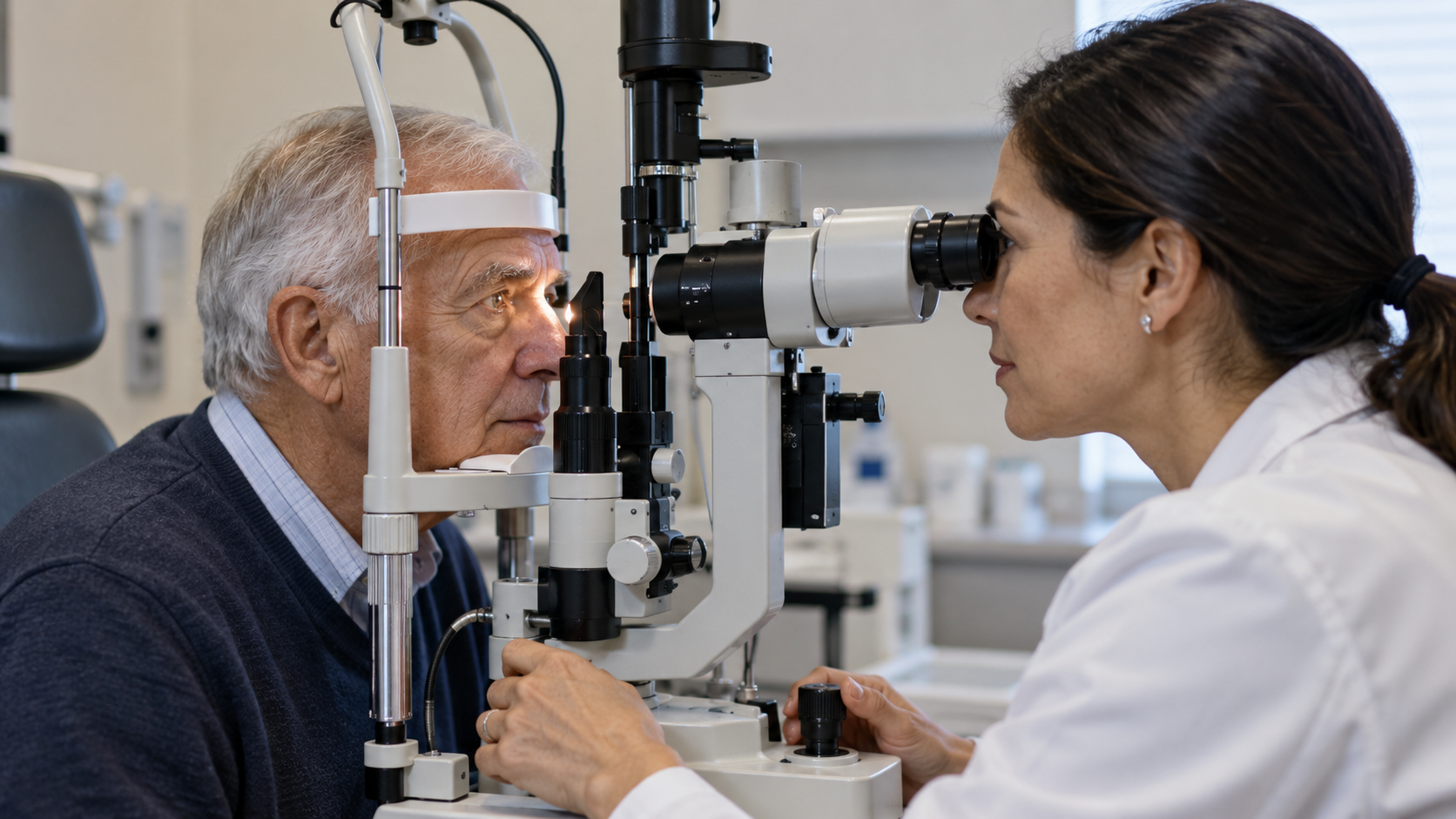
Retinal detachment explained: why sudden flashes, new floaters or a curtain in vision need urgent assessment, and how treatment protects sight.
Restless legs syndrome explained: the evening urge to move, how clinicians distinguish it from cramps, and why iron and treatment review matter.
Rheumatoid arthritis explained: immune-driven joint inflammation, why early assessment matters, and how treatment protects movement and daily function.
Rotator cuff injuries explained: shoulder tendon irritation and tears, what examination and scans show, and how rehabilitation or repair is chosen.
RSV explained: why a common respiratory virus can be serious for infants and older adults, warning signs, supportive care, and prevention.
Seasonal affective disorder explained: recurring depression linked to seasons, assessment of mood patterns, and treatment and support options.