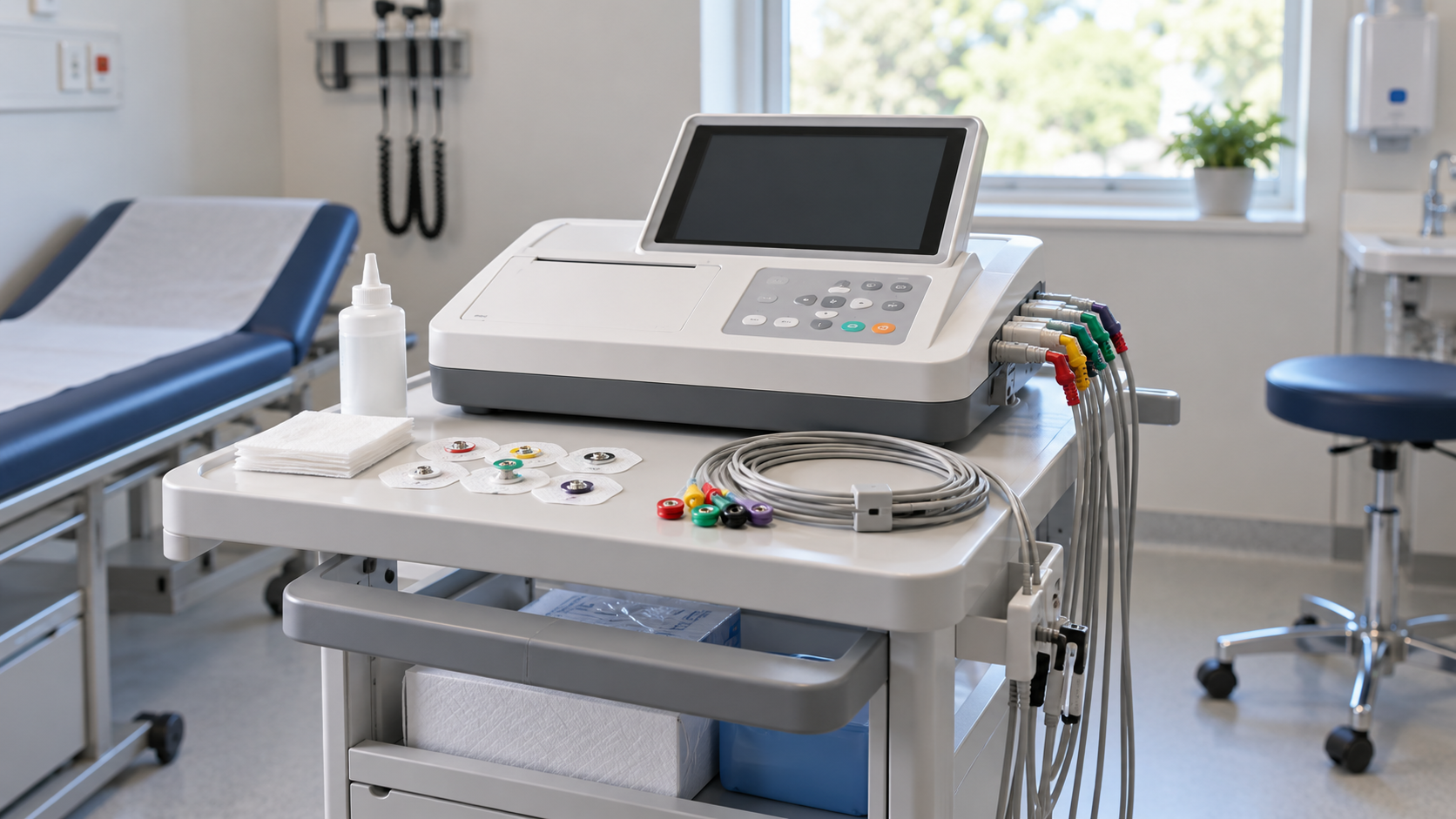
Electrocardiogram
An electrocardiogram records the heart’s electrical activity. Learn what an ECG involves, why longer monitoring may be needed and how results are assessed.

Don't Just Read it – Explore It
An electrocardiogram records the heart’s electrical activity. Learn what an ECG involves, why longer monitoring may be needed and how results are assessed.
A fracture is a broken bone, including a crack. Learn about assessment, casts and surgery, urgent warning signs and safe recovery after an injury.
Health literacy helps people find, understand and use health information. Learn how clear communication, teach-back and practical support improve care.
Hepatitis C can damage the liver without early symptoms. Learn how tests identify active infection, how treatment works and how to prevent reinfection.
Hypoglycemia is low blood glucose. Learn how to recognise and treat a low, when emergency help is needed and how an individual diabetes plan reduces risk.
Pelvic floor muscles explained: how support and coordination work, why symptoms can reflect weakness or tension, and what tailored care involves.
Pulmonary embolism explained: how a clot can block blood flow in the lungs, why sudden symptoms need urgent care, and how testing guides treatment.
Peptic ulcers explained: what damages the stomach or duodenal lining, how clinicians identify the cause, and why treatment goes beyond avoiding spice.
Perimenopause explained: why periods and symptoms change, how diagnosis is approached, and what support can help during the menopause transition.
Peripheral artery disease explained: why narrowed arteries affect leg circulation, how testing works, and why care also addresses heart and stroke risk.
Pneumonia explained: how lung infection affects breathing, what assessment looks for, and why treatment and recovery differ between people.
Postpartum depression explained: how symptoms differ from the baby blues, why seeking help matters, and how treatment supports recovery after birth.