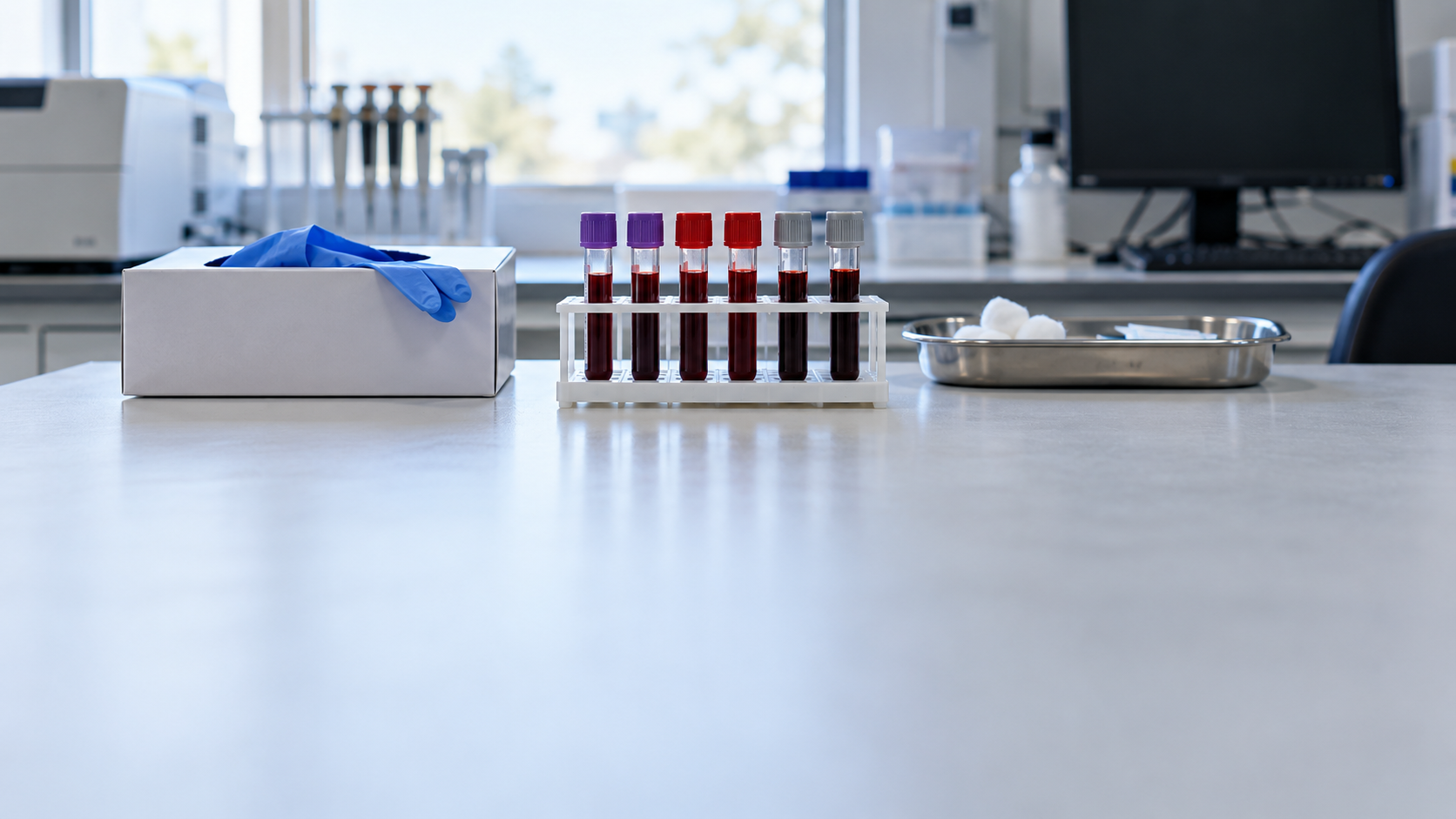
Electrolytes
Learn how electrolytes support fluid balance, nerves and muscles, and why abnormal blood results need clinical context.

Don't Just Read it – Explore It
Learn how electrolytes support fluid balance, nerves and muscles, and why abnormal blood results need clinical context.
Understand endometriosis, why symptoms vary, and how assessment and treatment address pain, daily life and fertility.
Learn how epidemiology studies health in populations, what incidence and prevalence mean, and why associations need careful interpretation.
Understand epilepsy, the variety of seizures, and how assessment and treatment support safety and everyday life.
Learn what ferritin reveals about iron stores, why high results have several explanations, and how clinicians interpret the test.
Understand fat buildup in the liver, the MASLD and MASH terms, and why assessing inflammation and scarring matters.
Learn what fever means, how temperature readings vary, and why age, other symptoms and overall condition guide the response.
Understand how foodborne illness spreads, why symptoms can be delayed, and how clean, separate, cook and chill reduce risk.
Learn how gallstones form, when they cause symptoms, and why treatment depends on obstruction and complications.
Understand how glaucoma damages the optic nerve, why pressure alone is not the diagnosis, and how early treatment protects vision.
Learn how urate crystals cause gout, why a painful flare needs assessment, and how long-term treatment differs from flare relief.
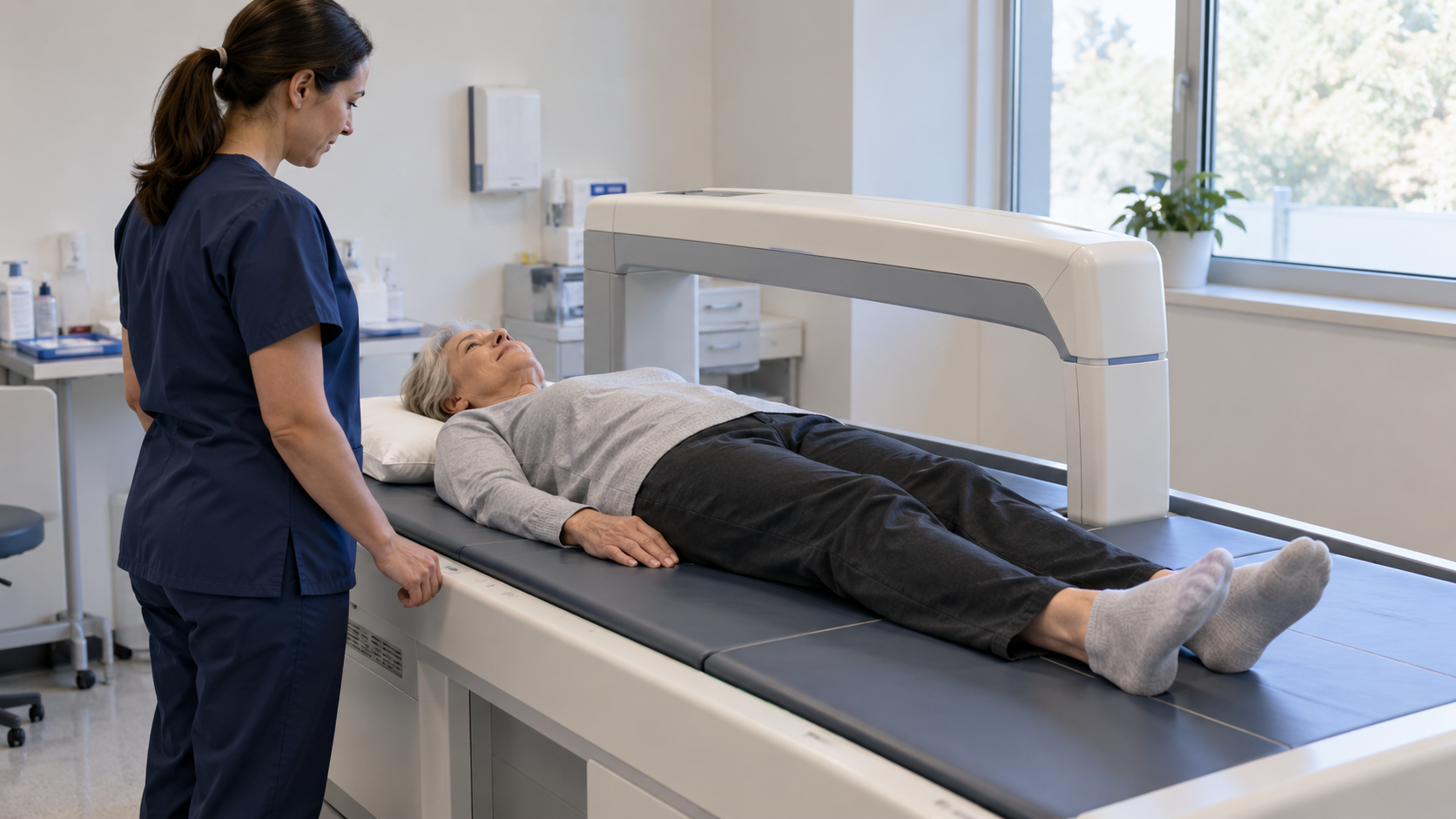
Bone density is a key indicator of how strong and resilient your bones are. Understanding what affects bone health can help prevent fractures and age-related decline.