How Do Newsrooms Prepare for Election Night?
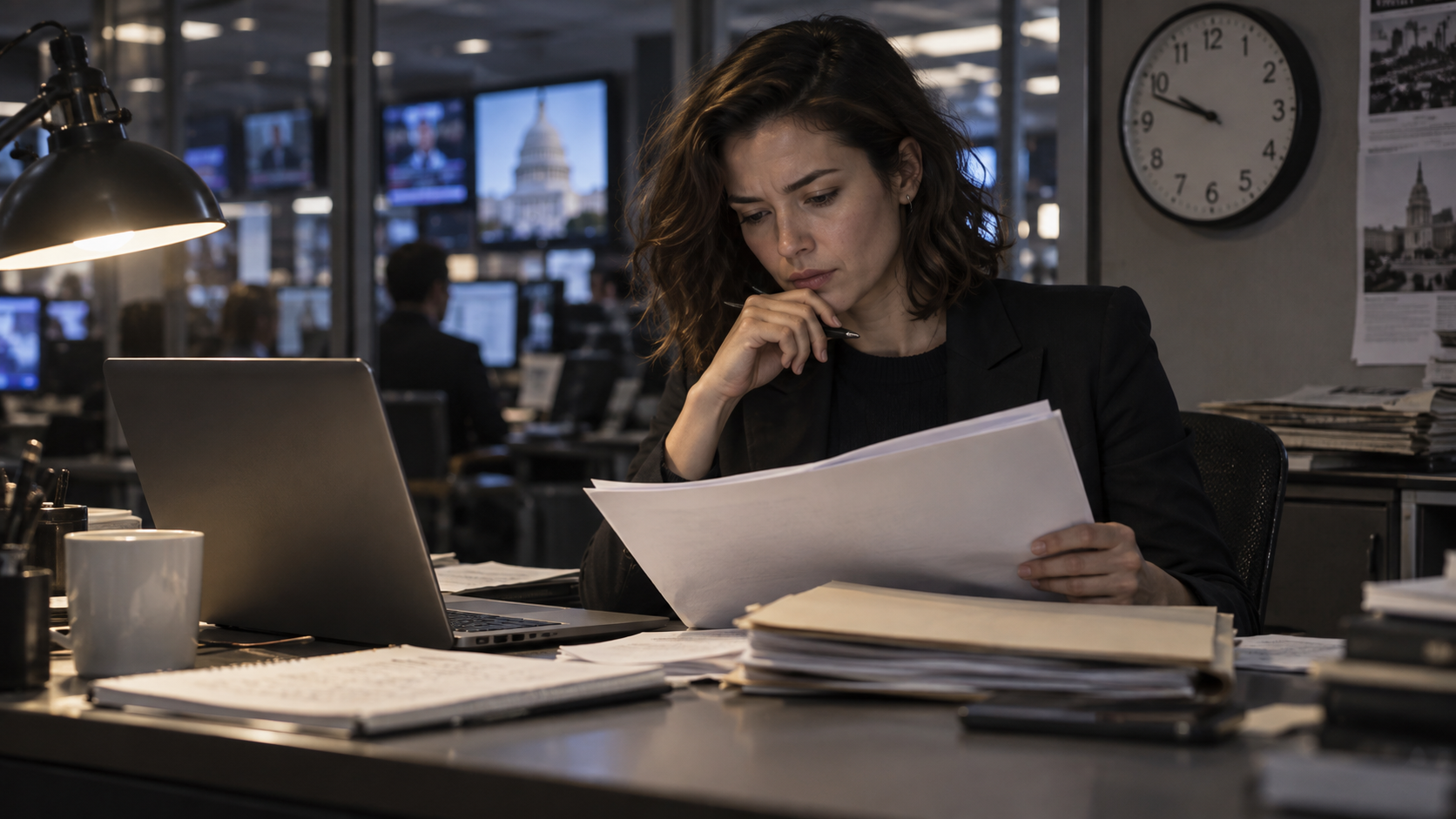
Election-night preparation combines months of research, source planning, data tests, rehearsals, and clear rules for reporting unofficial results and race calls.

Don't Just Read it – Explore It
Election-night preparation combines months of research, source planning, data tests, rehearsals, and clear rules for reporting unofficial results and race calls.
Satellite-image verification confirms the source, location, capture time, processing, and meaning of overhead imagery before publication.
A social media correction should reach the audience of the error, identify what was wrong, provide accurate information, and preserve accountability.
Solutions journalism rigorously examines responses to social problems, including how they work, what evidence shows, and where they fall short.
Responsible rumor coverage verifies the underlying claim, evaluates public harm, and emphasizes established facts instead of repeating a falsehood.
An anonymous tip starts a reporting process; newsrooms assess the source, verify the claim independently, and protect identities when justified.
A federal Freedom of Information request asks an agency for existing records and begins a search, review, and release process governed by law.
Preserving digital evidence means protecting original files, recording their source and history, and documenting every significant change or transfer.
Geolocation uses visible details and independent reference material to determine where a photo or video was actually recorded.
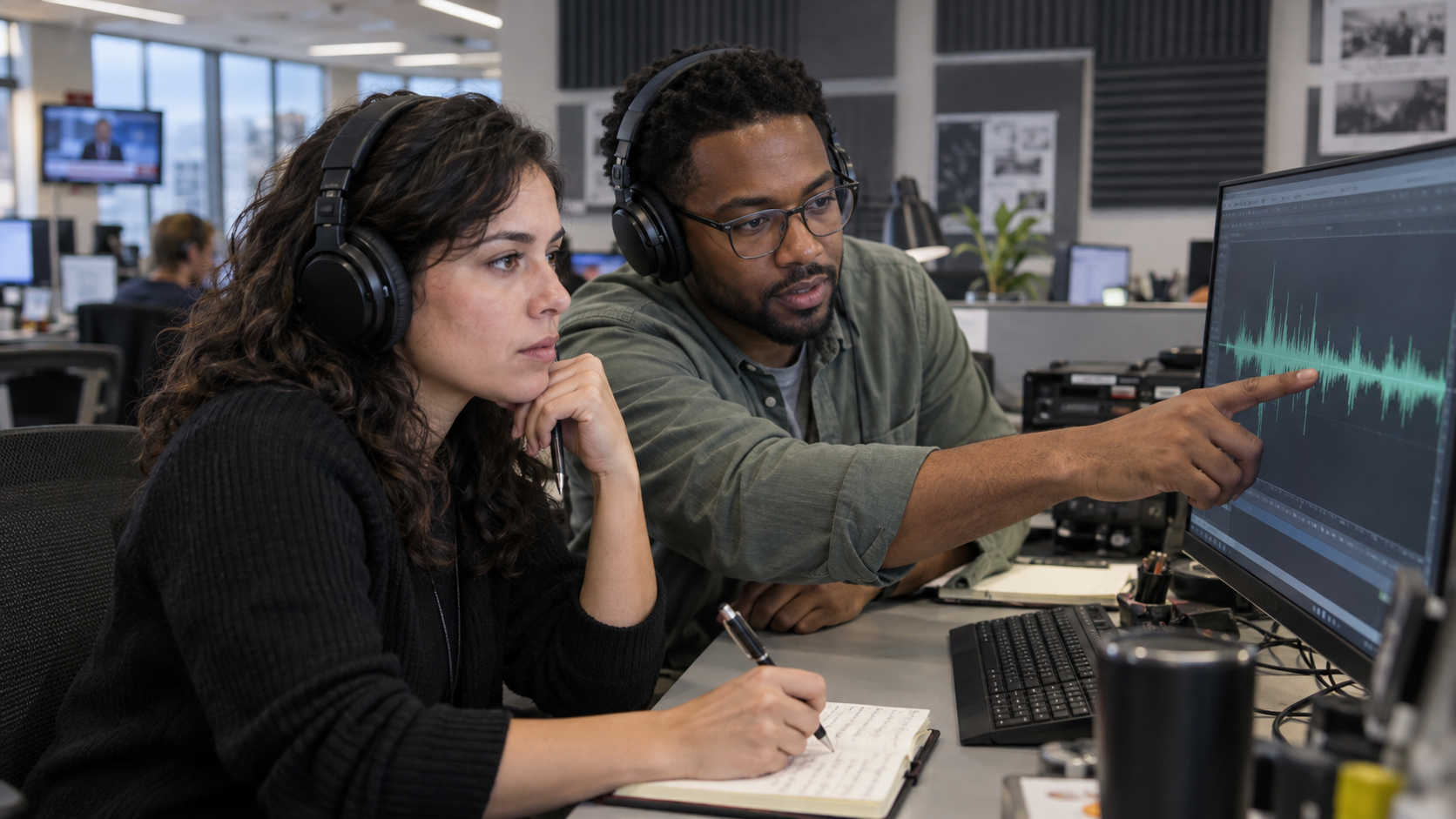
Newsrooms verify audio by tracing its source, examining the file, checking voices and context, and corroborating what can be heard.
A news embargo provides information before a specified release time so journalists can prepare coverage without publishing it early.
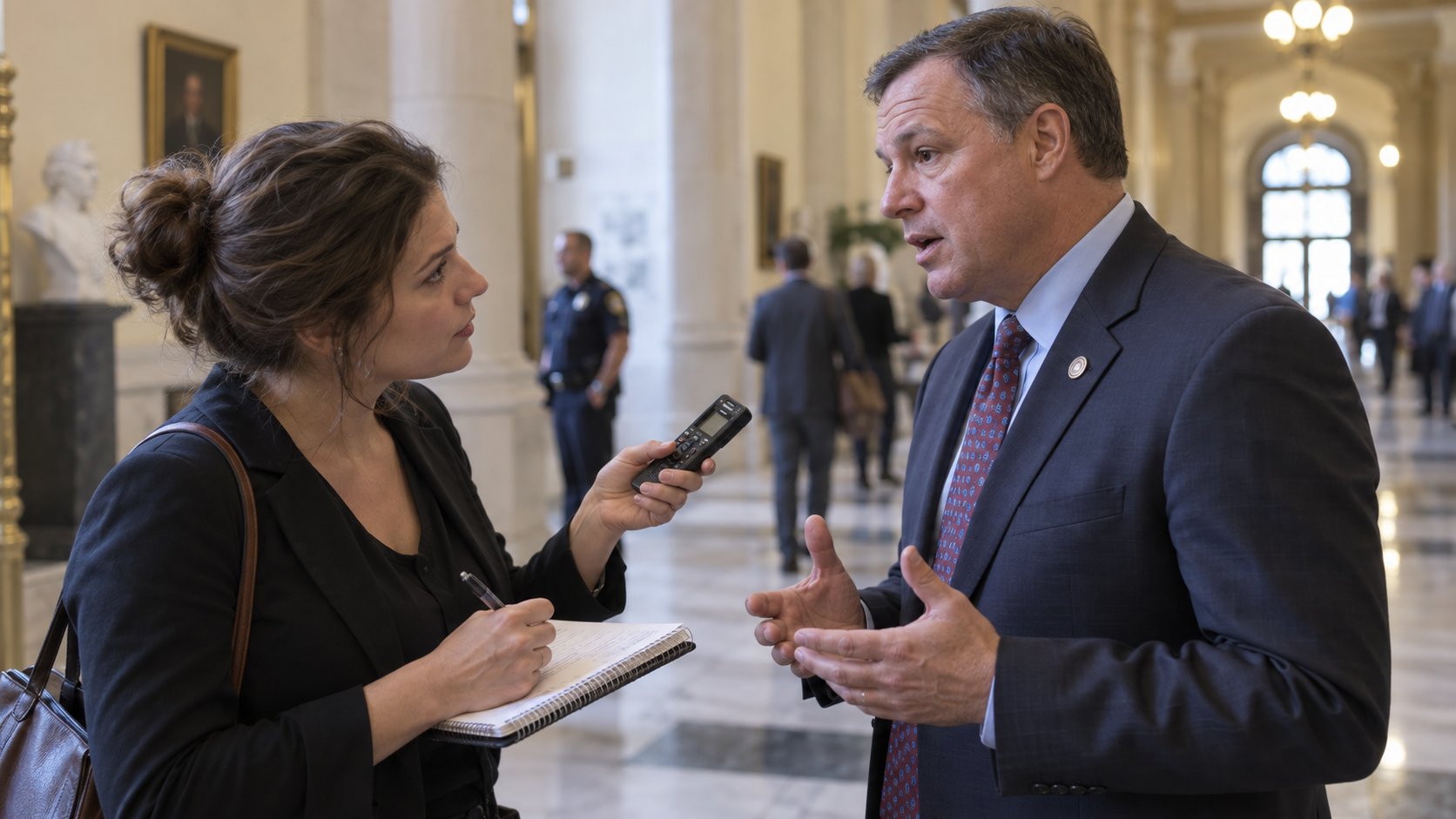
Beat reporting assigns a journalist to cover a subject, institution, or community regularly enough to develop expertise and sources.