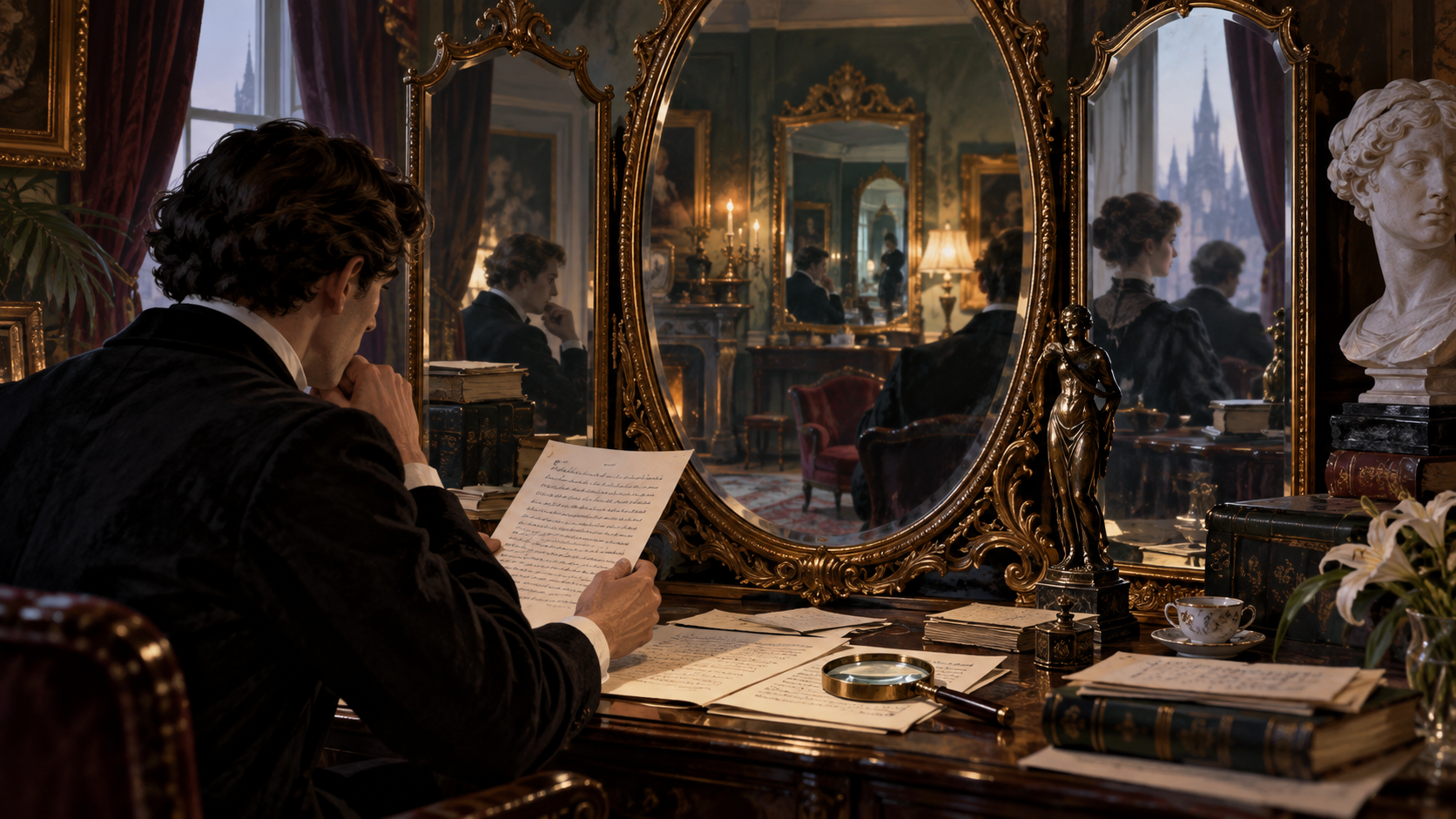
Aldous Huxley, 1927
Aldous Huxley, 1927 on ignoring evidence can delay recognition but cannot alter the underlying event.

Don't Just Read it – Explore It
Aldous Huxley, 1927 on ignoring evidence can delay recognition but cannot alter the underlying event.
Upton Sinclair, 1935 on the quotation identifies a conflict between evidence and material self-interest.
George Eliot, 1859 on falsehood can be efficient because it compresses ambiguity into a memorable claim.
Oscar Wilde, 1895 on in reporting, the sentence cautions against reducing a layered record to a slogan.
René Descartes, 1644 on the method asks investigators to examine assumptions that feel natural because they are familiar.
Samuel Johnson, 1775 on the quotation treats source discovery as a form of knowledge rather than a lesser substitute for memorization.
Francis Bacon, 1605 on beginning with doubt means treating an explanation as something to test.
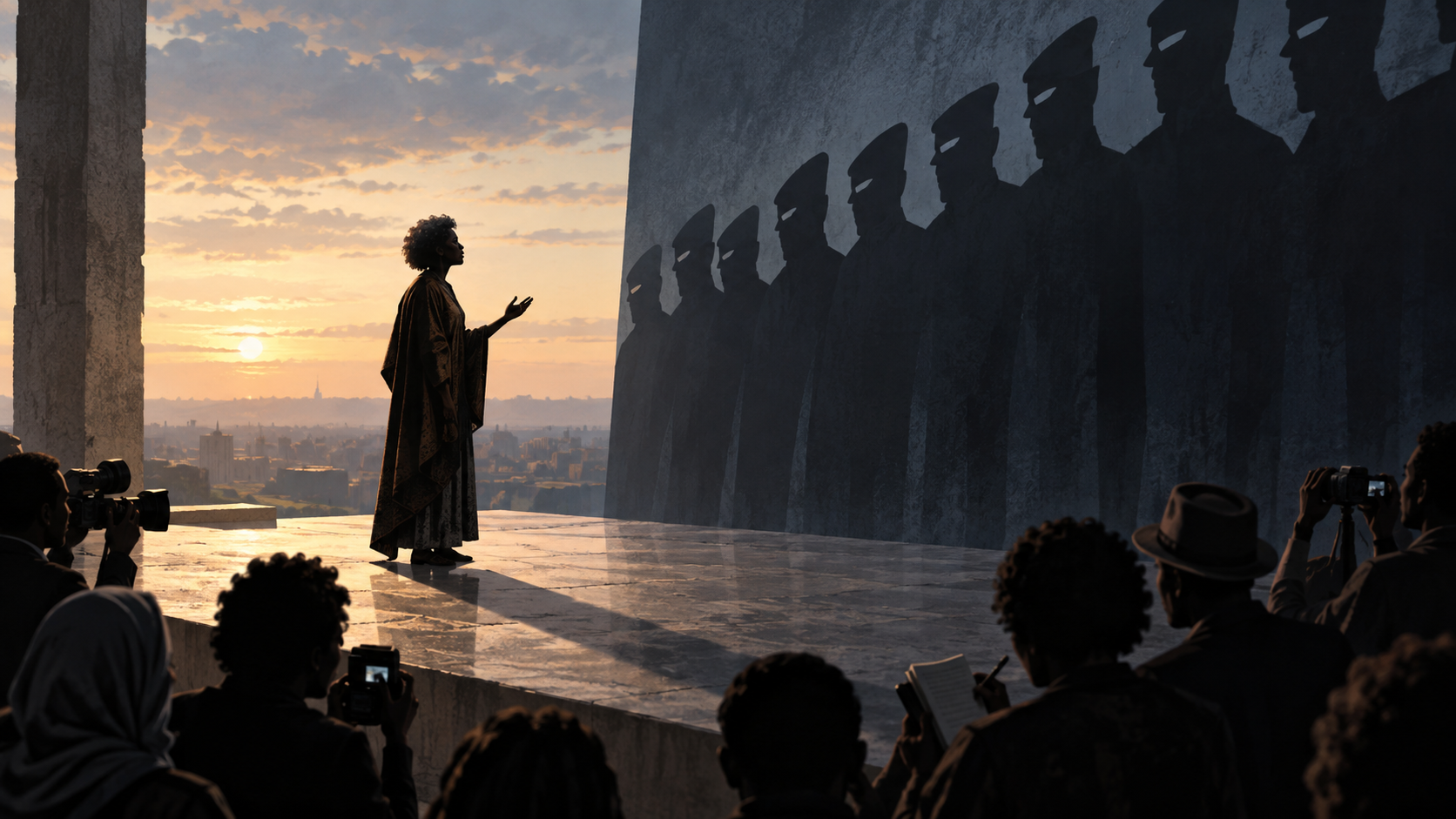
Wole Soyinka, 1972 on the sentence makes silence an ethical condition rather than an empty space.
Audre Lorde, 1977 on the line addresses testimony, visibility, and power.
Ursula K. Le Guin, 2014 on the comparison challenges the belief that a dominant system is permanent simply because alternatives are difficult to picture.
Louis Brandeis, 1914 on transparency can make misconduct easier to detect by journalists, regulators, competitors, and citizens.
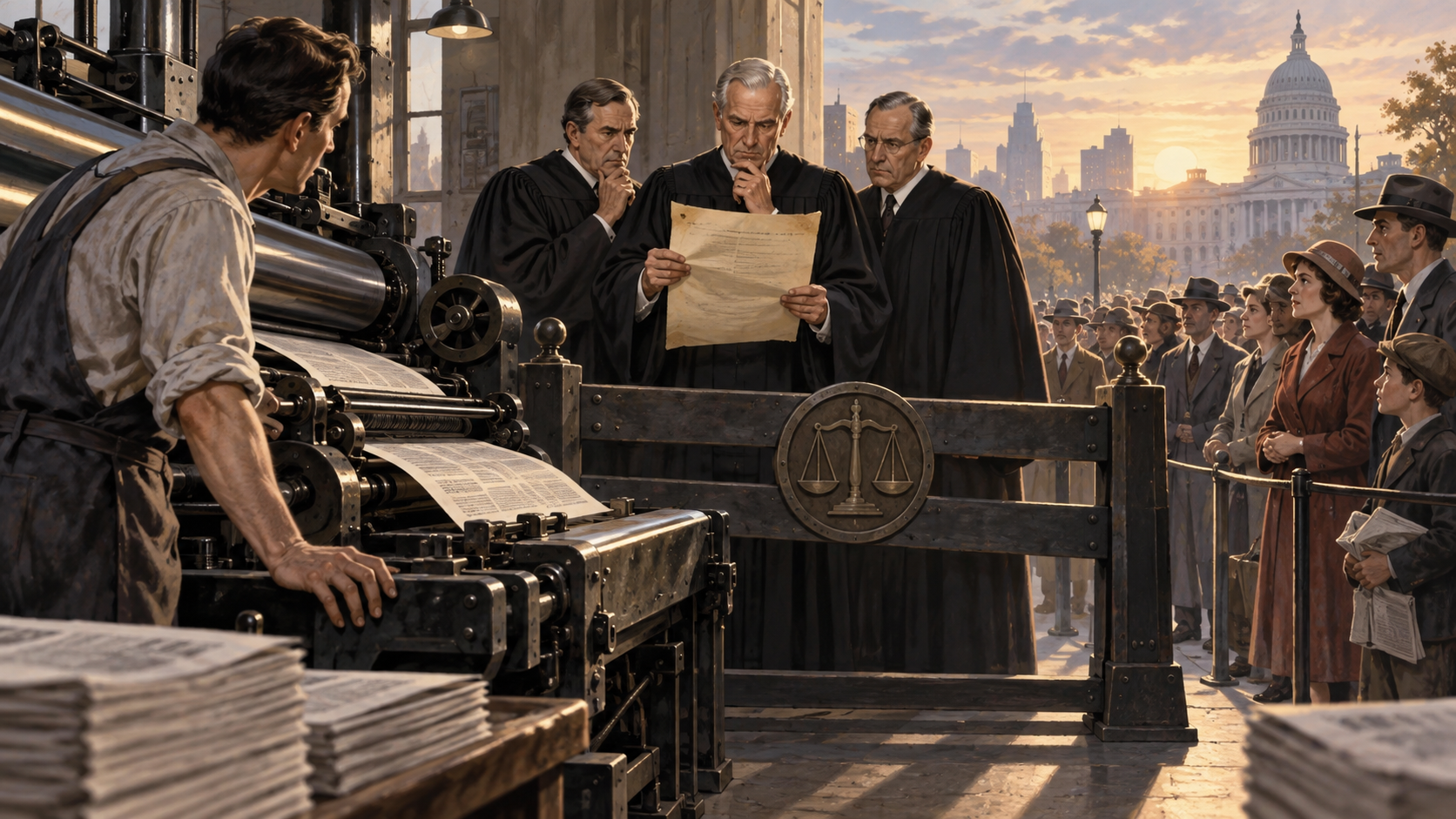
Charles Evans Hughes, 1931 on the opinion focused on prior restraint: stopping publication in advance differs from imposing lawful consequences after a proven wrong.