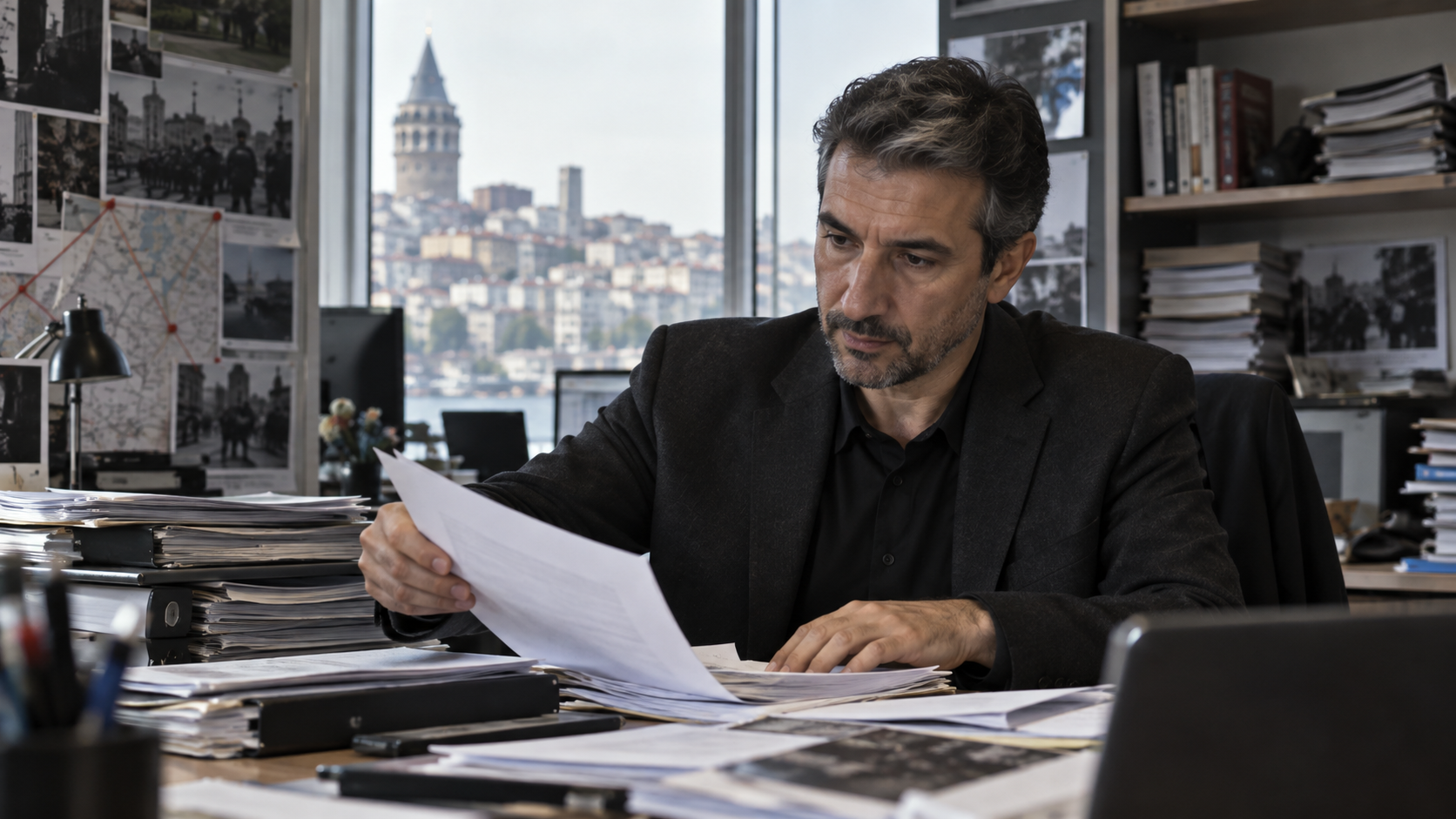
Nedim Şener, 2013
Nedim Şener describes verified truth as a public record that can outlast detention, intimidation, and attempts to criminalize investigative reporting.

Don't Just Read it – Explore It
Nedim Şener describes verified truth as a public record that can outlast detention, intimidation, and attempts to criminalize investigative reporting.
Maxence Melo Mubyazi links democratic power to access to information and the protection of digital forums where citizens can expose wrongdoing.
Zaffar Abbas describes international recognition as an amplifier for journalists and newsrooms defending editorial independence under pressure.
Luz Mely Reyes turns a young reporter’s decision to cover a coup into a lasting statement about duty, fear, and service to the public.
Afrah Nasser answers threats with a declaration that combines personal visibility, public-interest reporting, and refusal to accept enforced silence.
Ahmed Abba defines professional endurance after detention, torture, and a terrorism conviction connected to his reporting in northern Cameroon.
Mikhail Zygar describes independent journalism’s value when pressure is intense and immediate political results remain uncertain.
Neha Dixit frames investigative courage as a collective achievement built by colleagues, editors, sources, families, and communities that refuse isolation.
Samira Sabou describes hope as disciplined endurance: journalists may adapt for safety without surrendering the public purpose of their reporting.
Abraham Jiménez Enoa presents independent journalism as the preservation of a nation’s memory against censorship, criminalization, and forced exile.
Malini Subramaniam connects attacks on reporters with the effort to hide abuses affecting Indigenous communities in a conflict region.
John Dewey, 1927 on the quotation shifts attention from merely permitting speech to improving the circumstances in which people encounter evidence and one another.