William O. Douglas, 1953
William O. Douglas, 1953 on the sentence treats censorship as a threat from within.

Don't Just Read it – Explore It
William O. Douglas, 1953 on the sentence treats censorship as a threat from within.
Murray Gurfein, 1971 on his sentence defines security broadly.
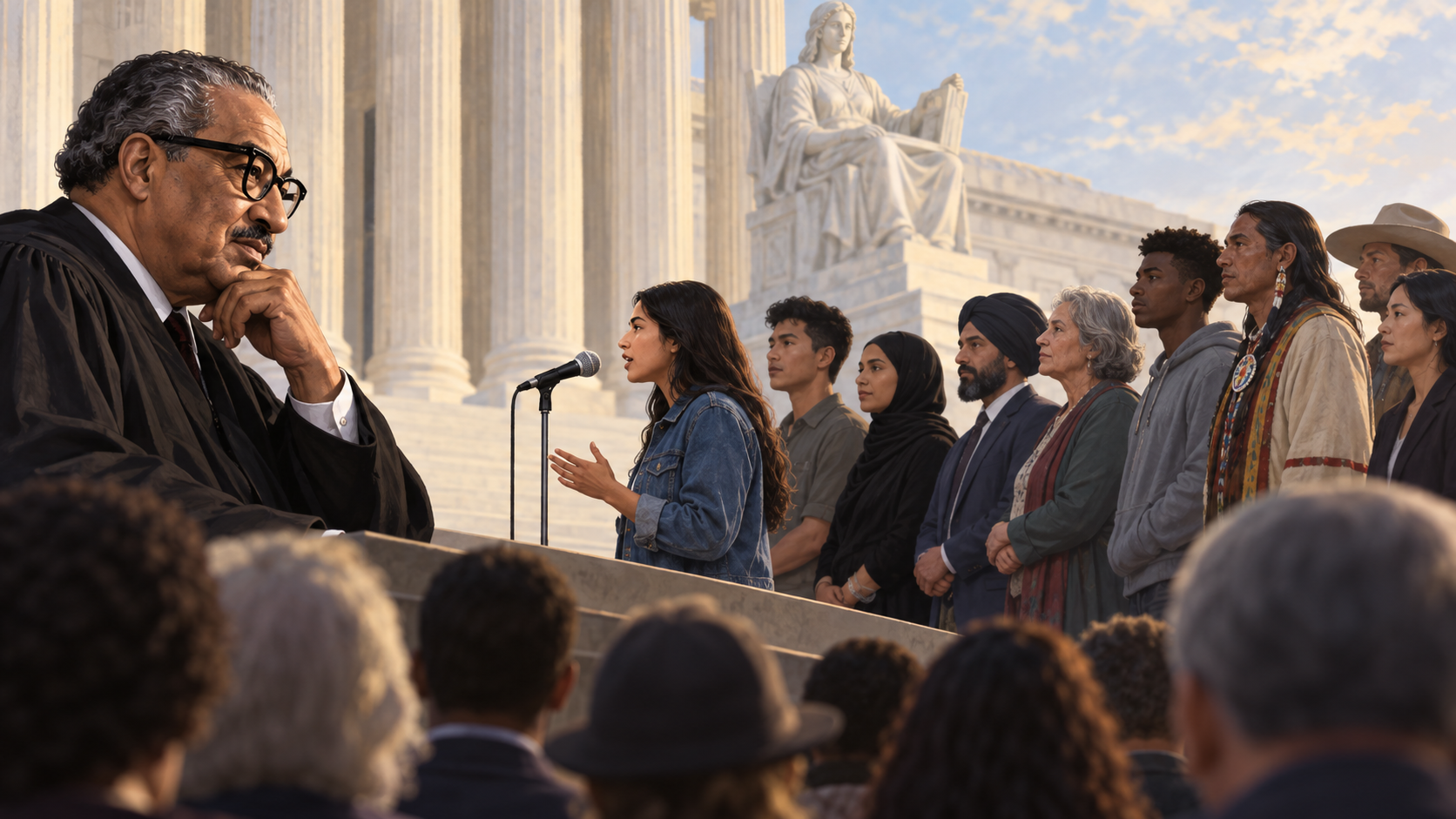
Thurgood Marshall, 1972 on the opinion states a core content-neutrality principle: officials generally cannot grant or withhold access because they favor one message.
Warren E. Burger, 1980 on observation supports trust by allowing citizens and reporters to see how testimony is tested, how judges rule, and whether procedures match public promises.
Liu Xiaobo, 2009 on the sentence rejects personal hatred while maintaining opposition to repression.
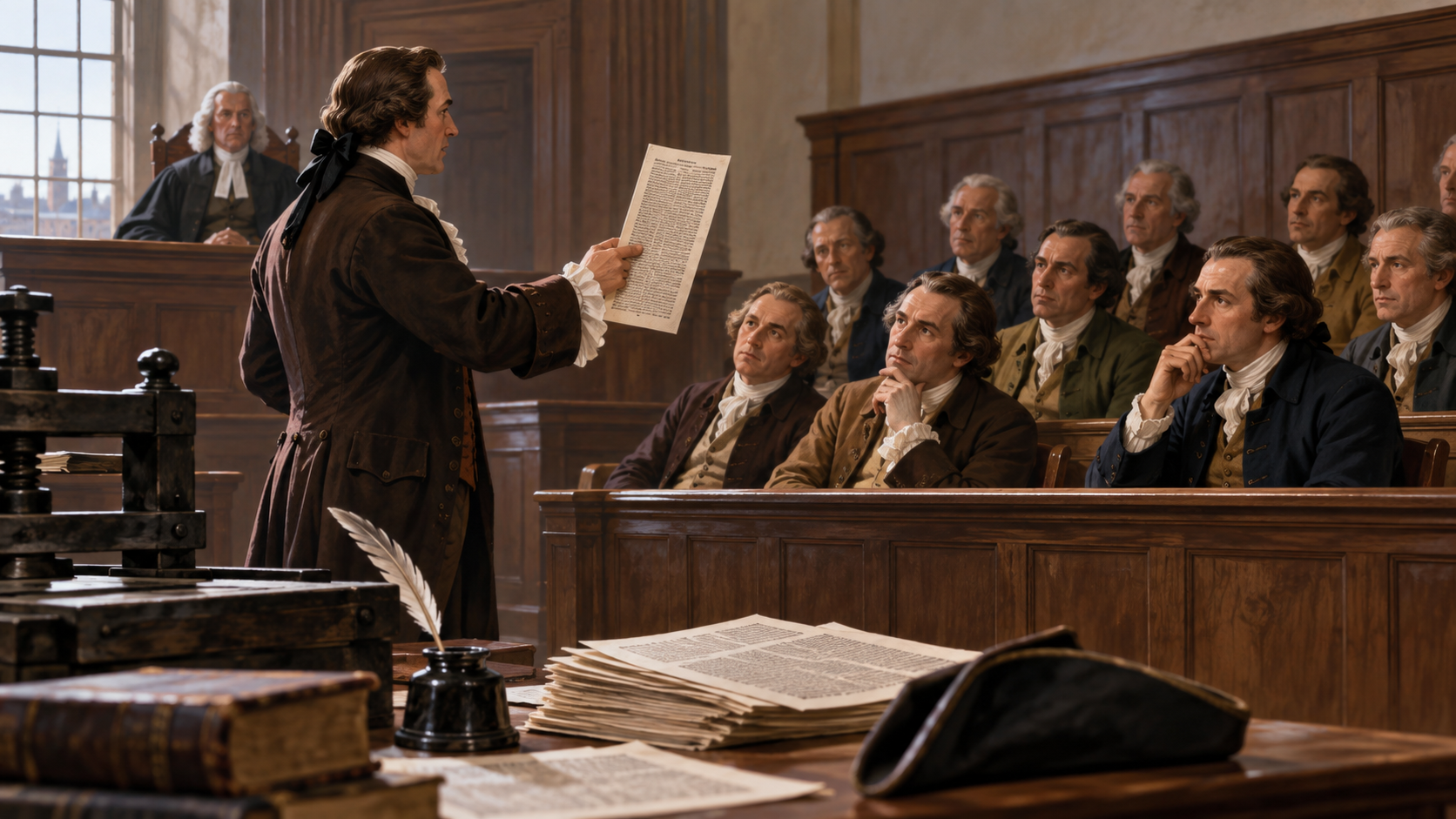
Andrew Hamilton, 1735 on hamilton enlarged the case from one printer’s fate to the public’s ability to criticize government.
Anna Politkovskaya, 2004 on the question exposes how witness-based reporting can be treated as an offense when documented facts threaten official narratives.
Narges Mohammadi, 2023 on the line expresses strategic confidence developed under sustained repression.
Tawakkol Karman, 2011 on the quotation rejects treating women’s rights as an isolated social program.
Leymah Gbowee, 2011 on the phrase challenges expectations that women express political demands only in ways comfortable to existing authority.
Ellen Johnson Sirleaf, 2011 on voice here means more than being quoted.
Shirin Ebadi, 2003 on the sentence supplies a standard for evaluating institutions across borders while rejecting the claim that rights belong to only one region.