Patternmaking
Patternmaking converts a garment idea into measured shapes that can be cut, sewn, fitted, corrected, graded, and reproduced.

Don't Just Read it – Explore It
Patternmaking converts a garment idea into measured shapes that can be cut, sewn, fitted, corrected, graded, and reproduced.
Film producers connect a screen project’s creative plan with the rights, money, people, schedules, and decisions required to complete it.
Film development is the uncertain pre-production phase in which material, rights, scripts, talent, financing, and market plans are assembled.
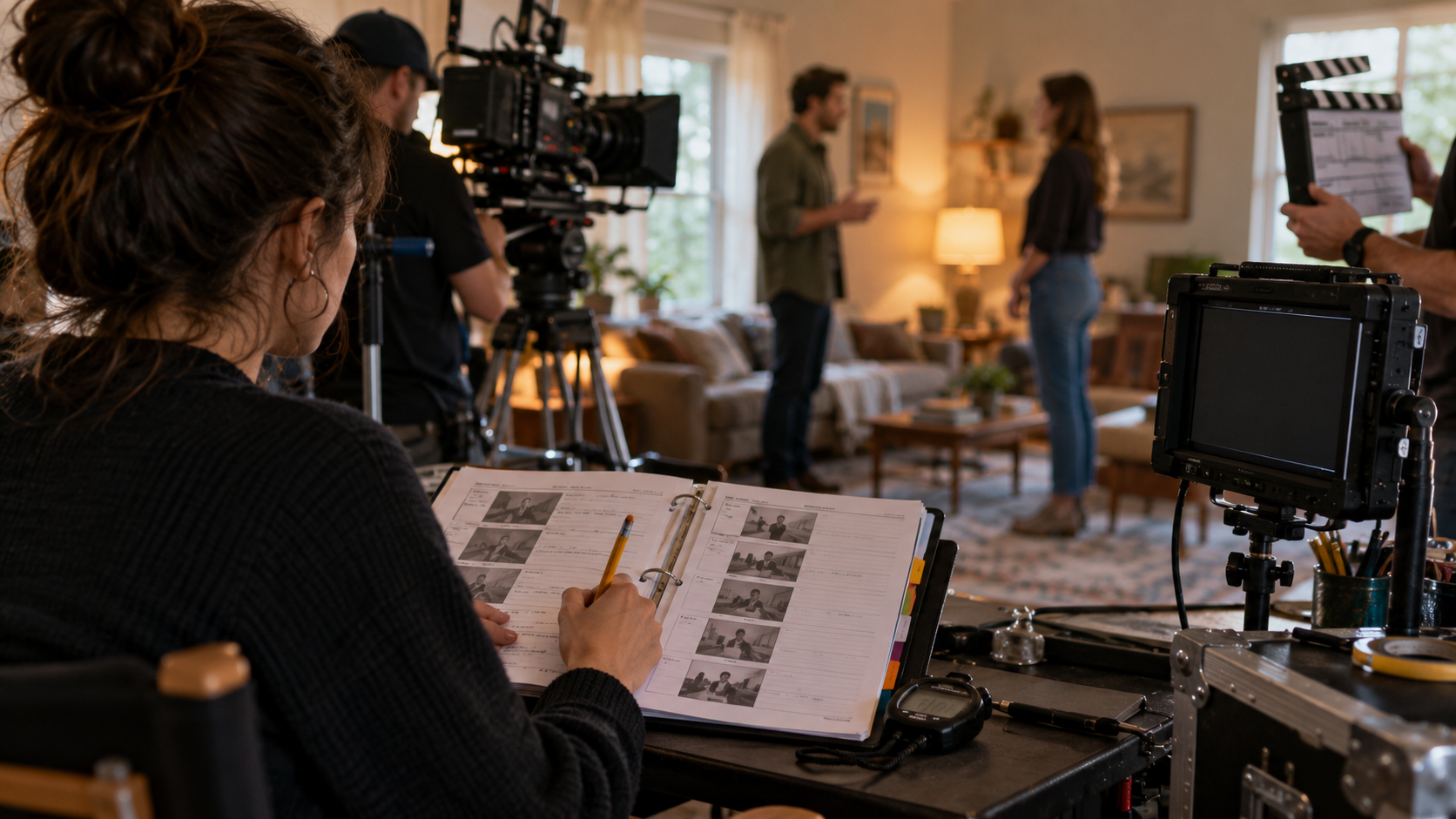
Script supervisors create the detailed continuity and editorial record that connects a changing film set with the eventual cut.
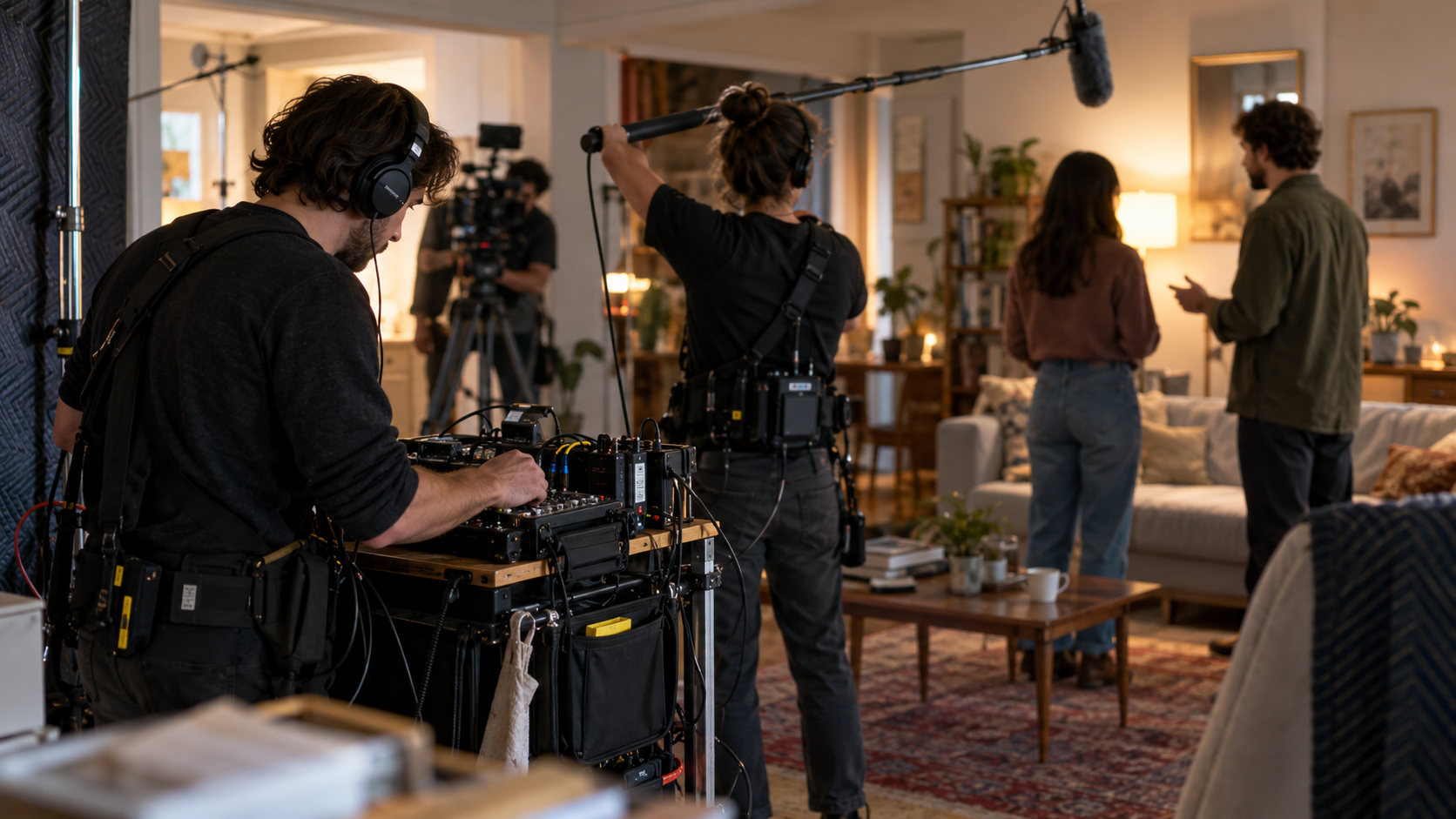
Production sound recording captures synchronized dialogue and location sound while balancing microphones, movement, noise, and the needs of the set.
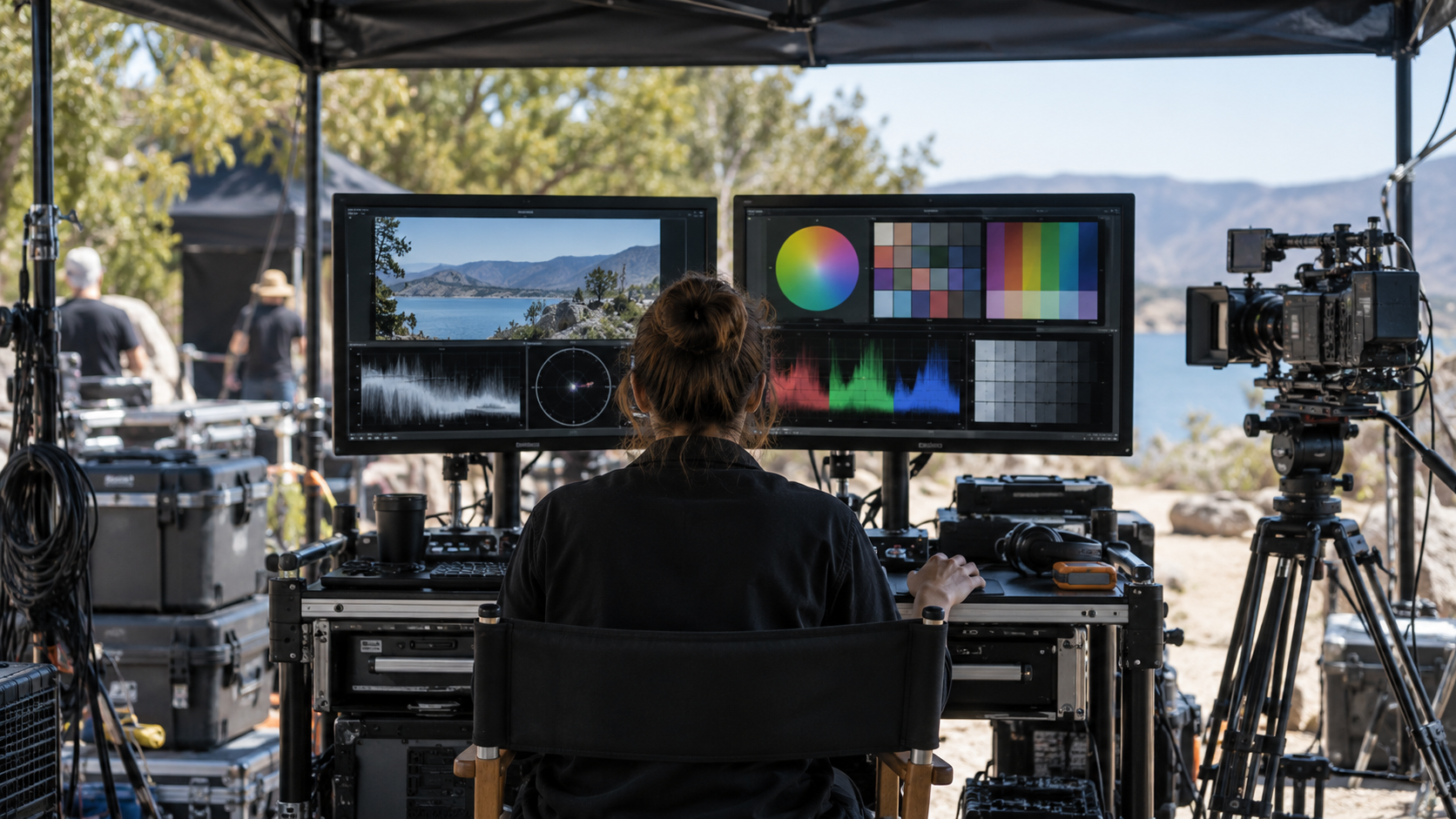
Digital imaging technicians help camera and post-production teams manage digital images, monitoring, color decisions, and reliable handoffs on set.
Intimacy coordination applies consent, choreography, boundaries, and closed-set practices to sensitive performance in film and television.
Film production insurance allocates defined financial risks across people, equipment, locations, vehicles, interruption, and legal claims.
Film dailies are organized viewing copies of recently recorded material used to evaluate performance, coverage, image, sound, and technical problems.
A television spin-off creates a distinct program from recognizable material in an existing series while establishing its own repeatable format.
Network notes are production feedback from commissioning or distribution stakeholders intended to align television scripts with creative and business needs.
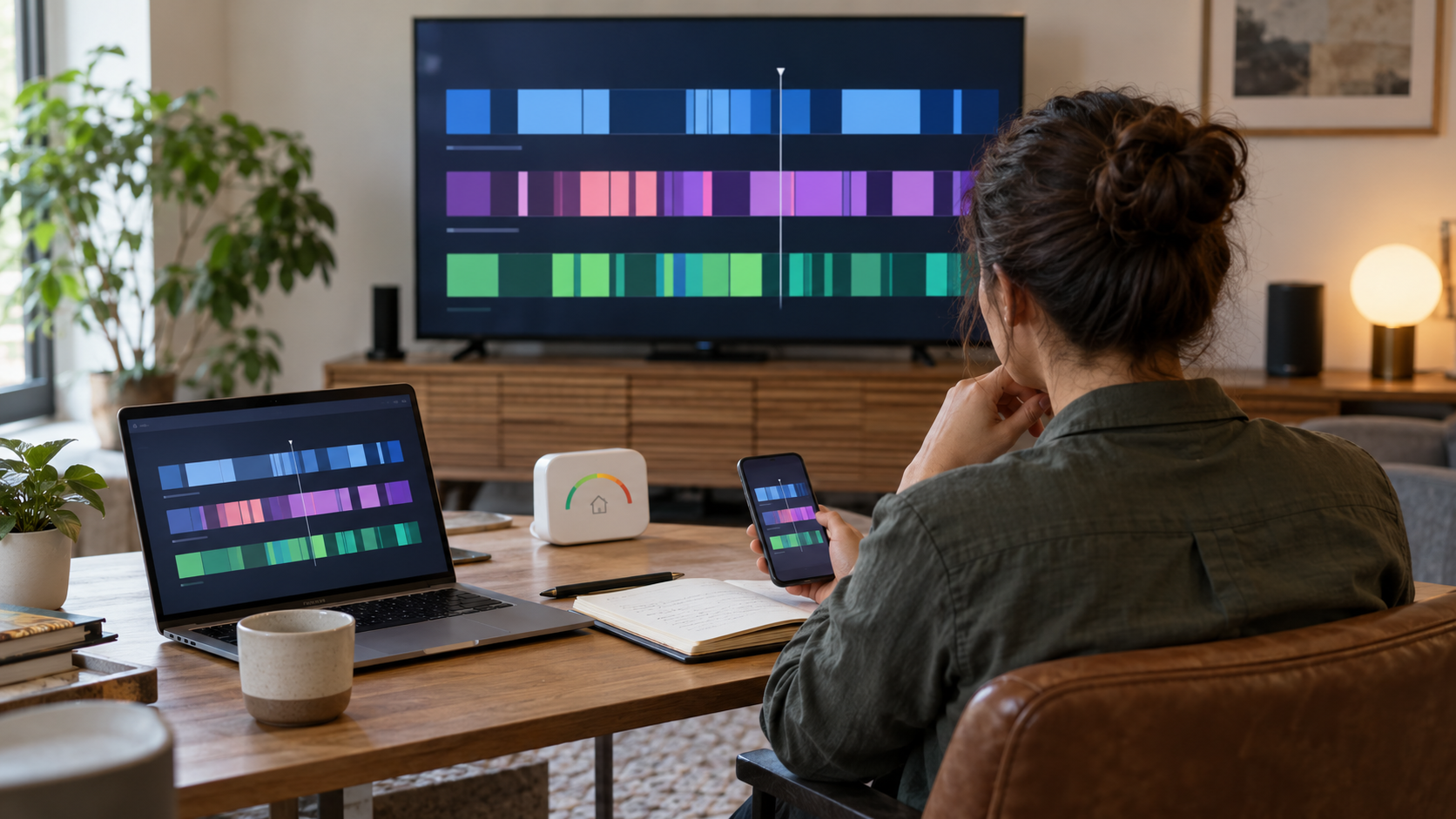
Streaming audience measurement combines device data, content identification, panels, and metrics to estimate what people watch and for how long.