James Cameron, 2010
James Cameron’s 2010 TED talk connects childhood curiosity with filmmaking, ocean exploration, technology, and sustained risk-taking.

Don't Just Read it – Explore It
James Cameron’s 2010 TED talk connects childhood curiosity with filmmaking, ocean exploration, technology, and sustained risk-taking.
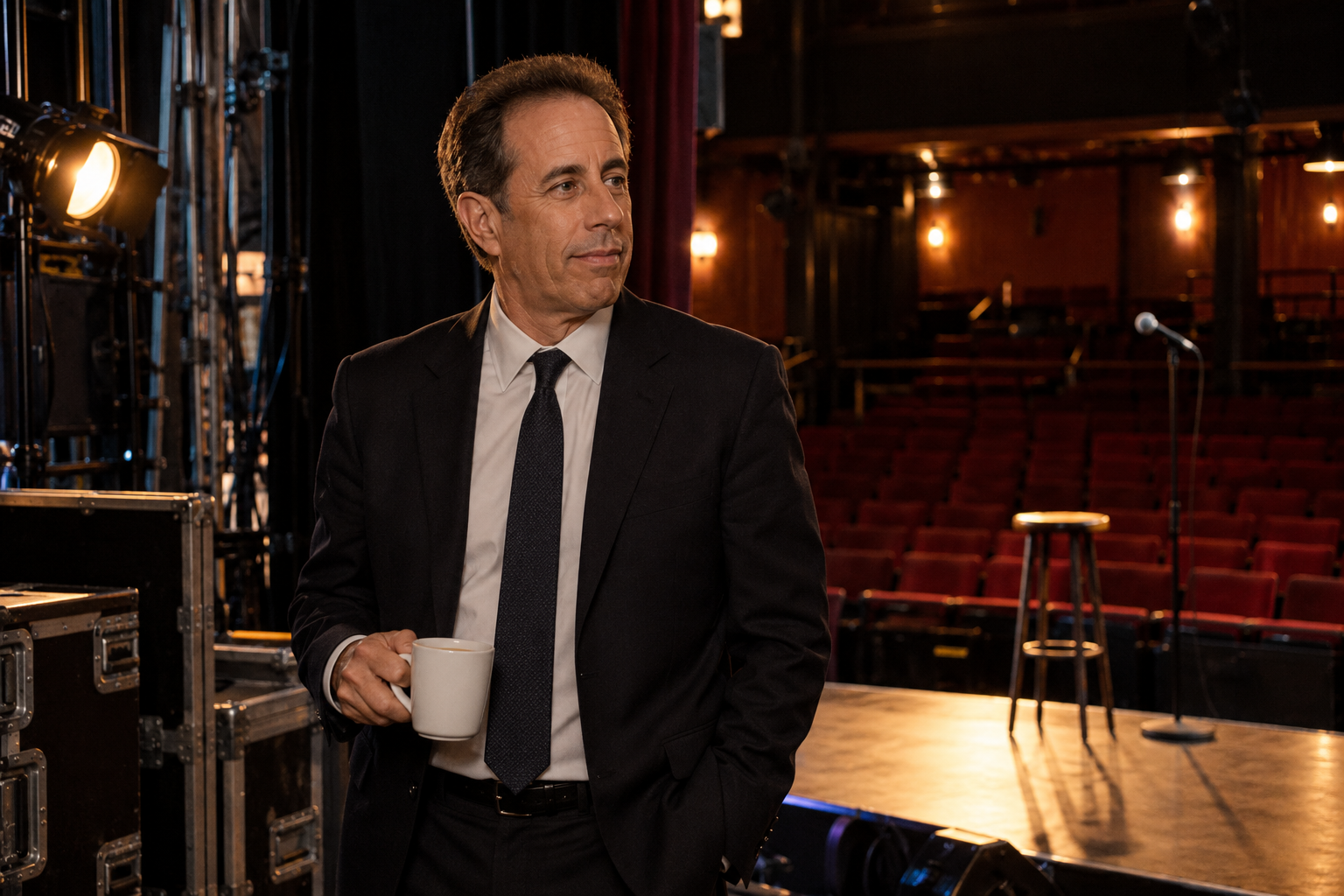
Jerry Seinfeld on Humor creates perspective: it lets people acknowledge difficulty without surrendering all of their attention to it.
Amanda Palmer’s 2013 TED talk reframes music payment as a relationship of asking, trust, and voluntary support.
Joseph Gordon-Levitt’s 2019 TED talk distinguishes the creative fulfillment of paying attention from the craving to receive it.
Adam Driver’s 2015 TED talk argues that artistic expression can be essential equipment for military members and veterans.
John Legend’s 2014 Penn commencement address defines success through love of people, work, and public responsibility.
Ethan Hawke’s 2020 TED talk argues that creative direction often becomes visible only through the act of making.
Jim Carrey’s 2014 commencement speech challenges the belief that a conventionally safe path can eliminate the possibility of failure.
Steve Carell’s 2012 Princeton Class Day advice treats positive contribution as an occasional, concrete answer to cultural cynicism.
Rita Moreno’s brief 1962 Oscar speech captures astonishment at a milestone whose industry significance extended far beyond the podium.
Quinta Brunson’s 2024 Emmy speech celebrates comedy as both a lifelong dream and a craft made visible through network television.
Issa Rae’s 2017 Emmy red-carpet line became a concise statement of solidarity in an industry with a long record of exclusion.