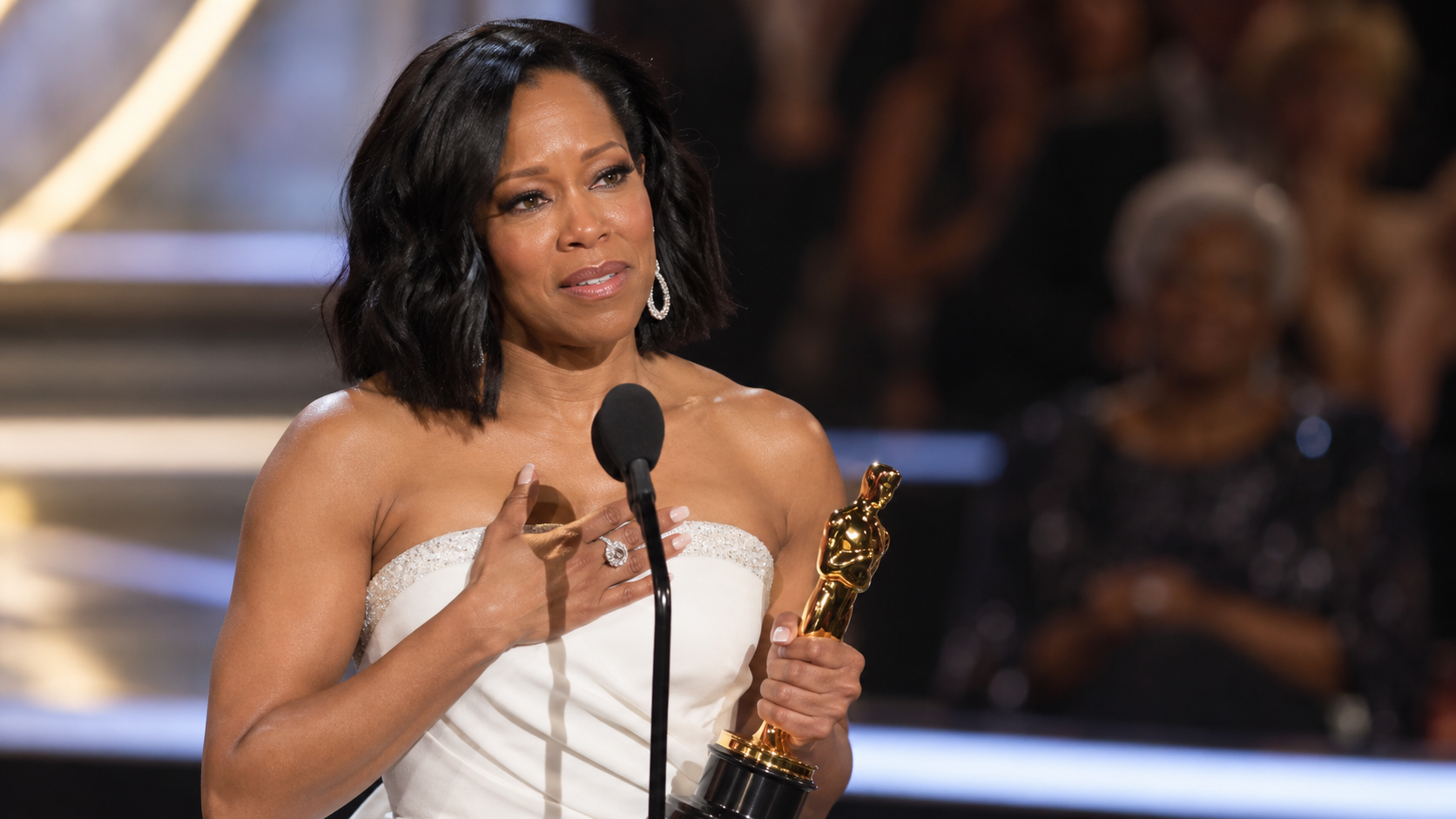
Regina King, 2019
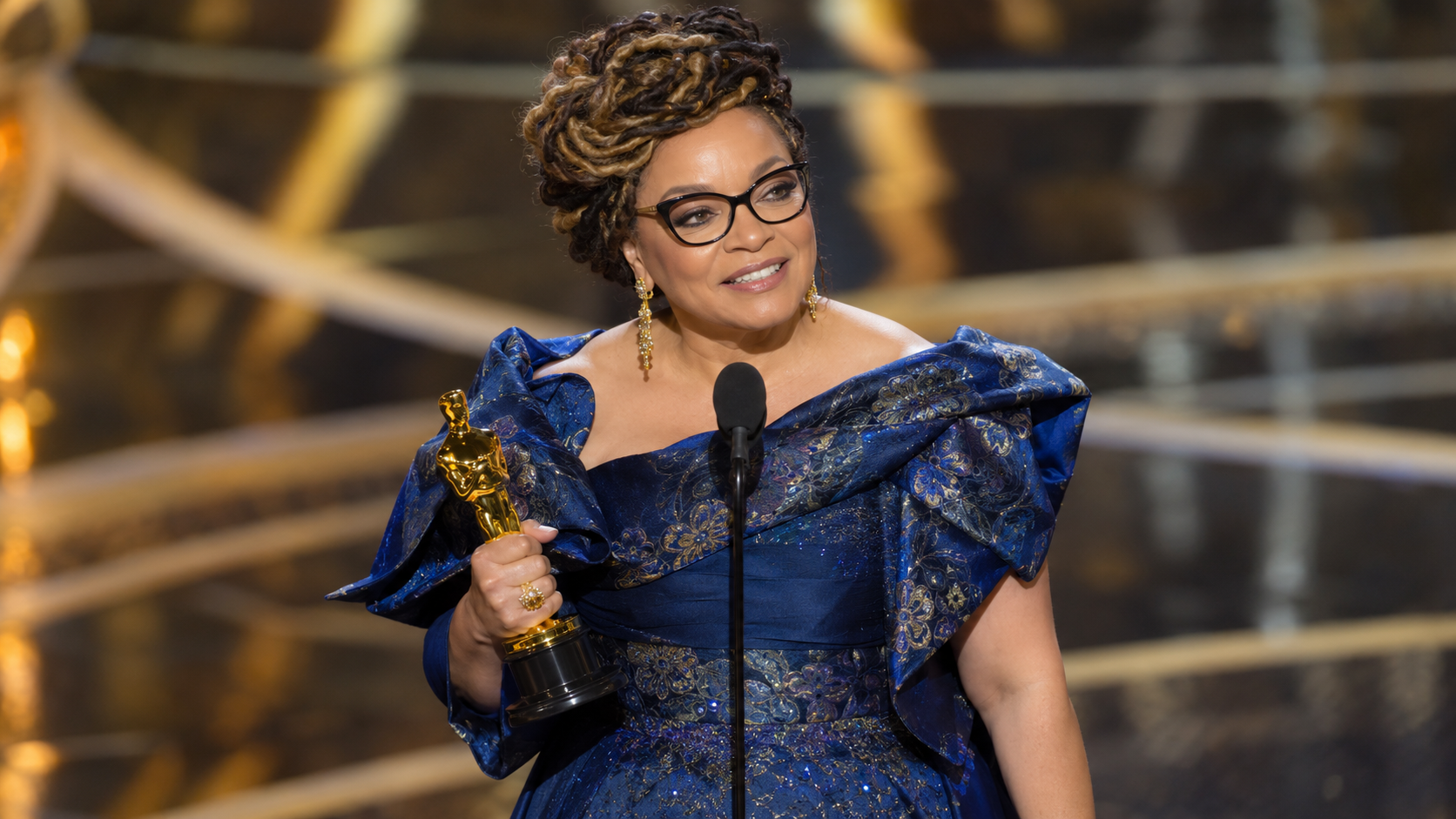
Regina King’s Oscar speech treats achievement as visible evidence of the care, advocacy, and confidence invested by other people.

Don't Just Read it – Explore It
Regina King’s Oscar speech treats achievement as visible evidence of the care, advocacy, and confidence invested by other people.
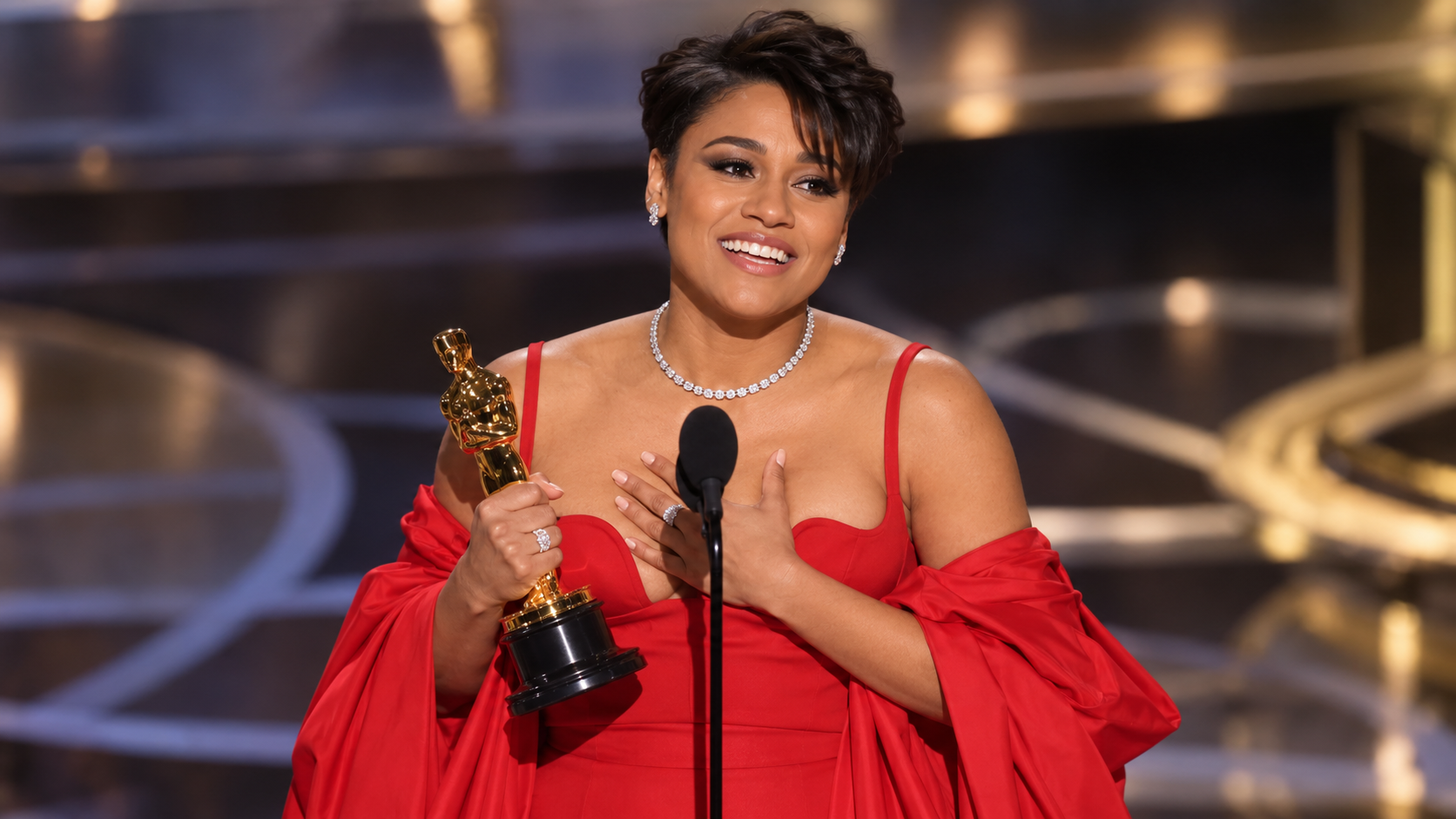
Ariana DeBose’s Oscar speech holds exhaustion and hope together, refusing to make either the whole truth of the moment.
Emma Stone’s Oscar speech treats a major achievement as a marker on an unfinished path rather than proof that learning is complete.
David Bowie’s 1997 line turns uncertainty into a creative promise: the future may be unknown without becoming repetitive.
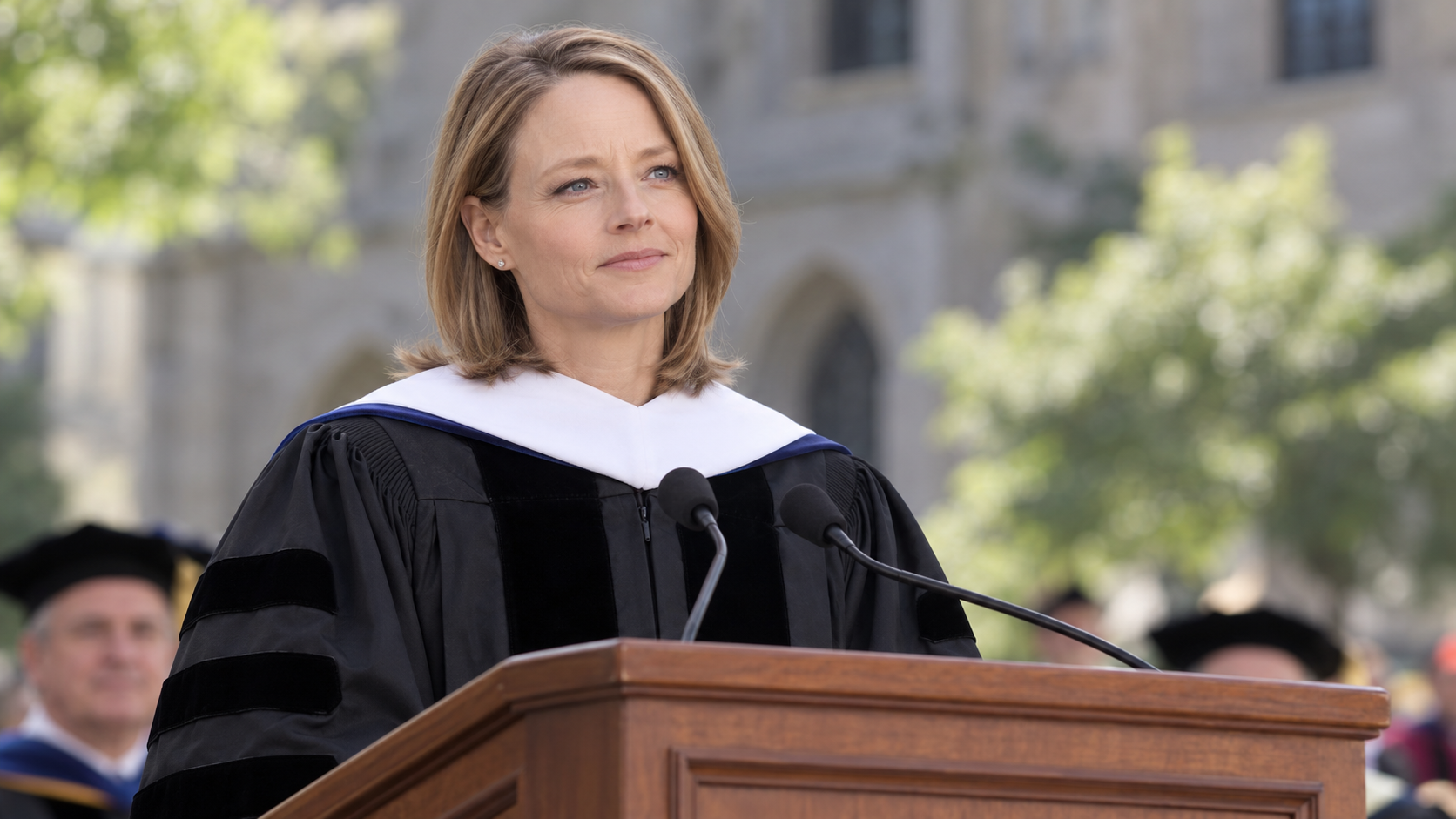
Jodie Foster’s Penn address suggests that a coherent path may become visible only after years that felt improvised or directionless.
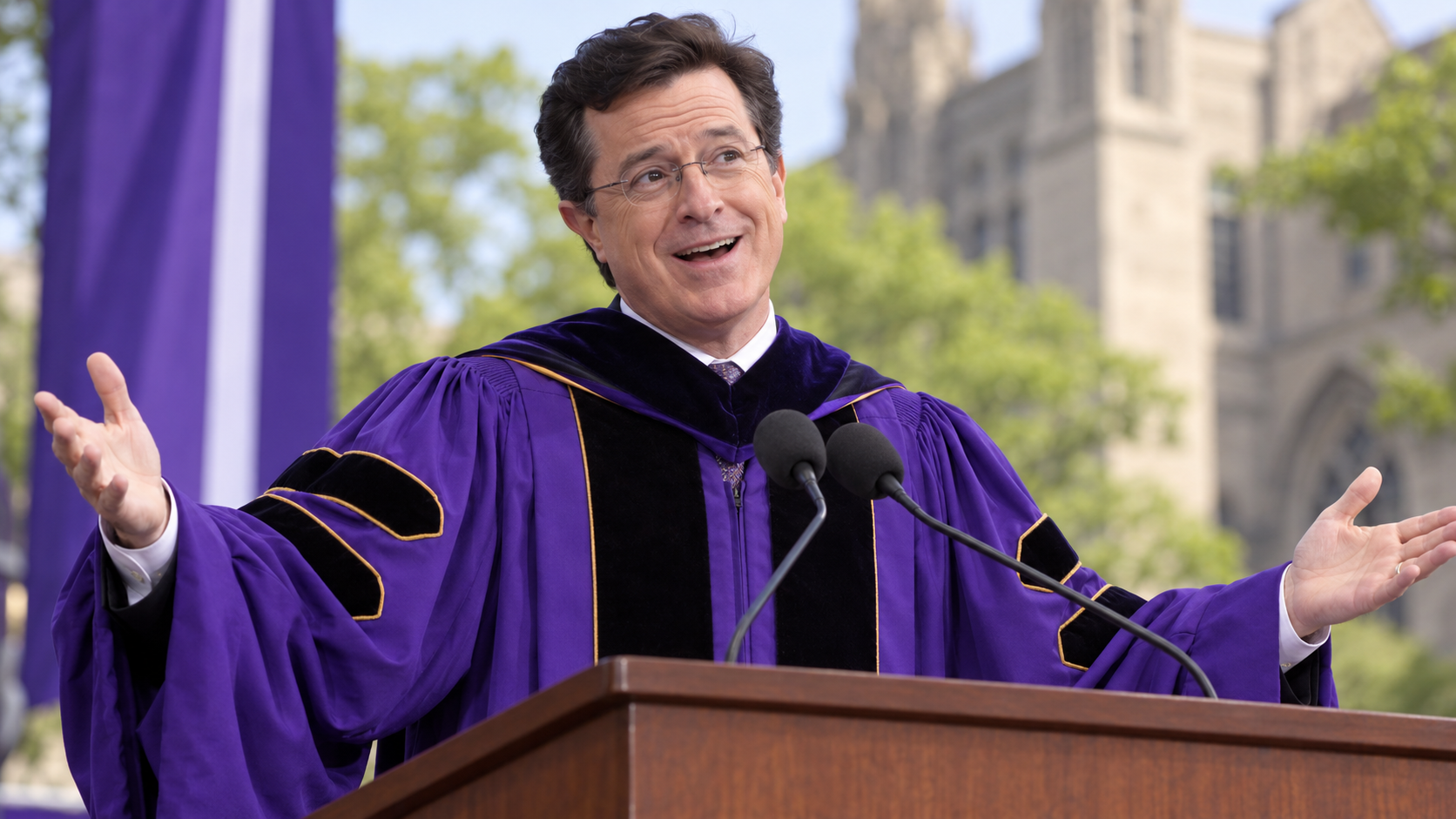
Stephen Colbert’s Northwestern address uses improv to replace individual victory with attention, service, and shared scene-building.
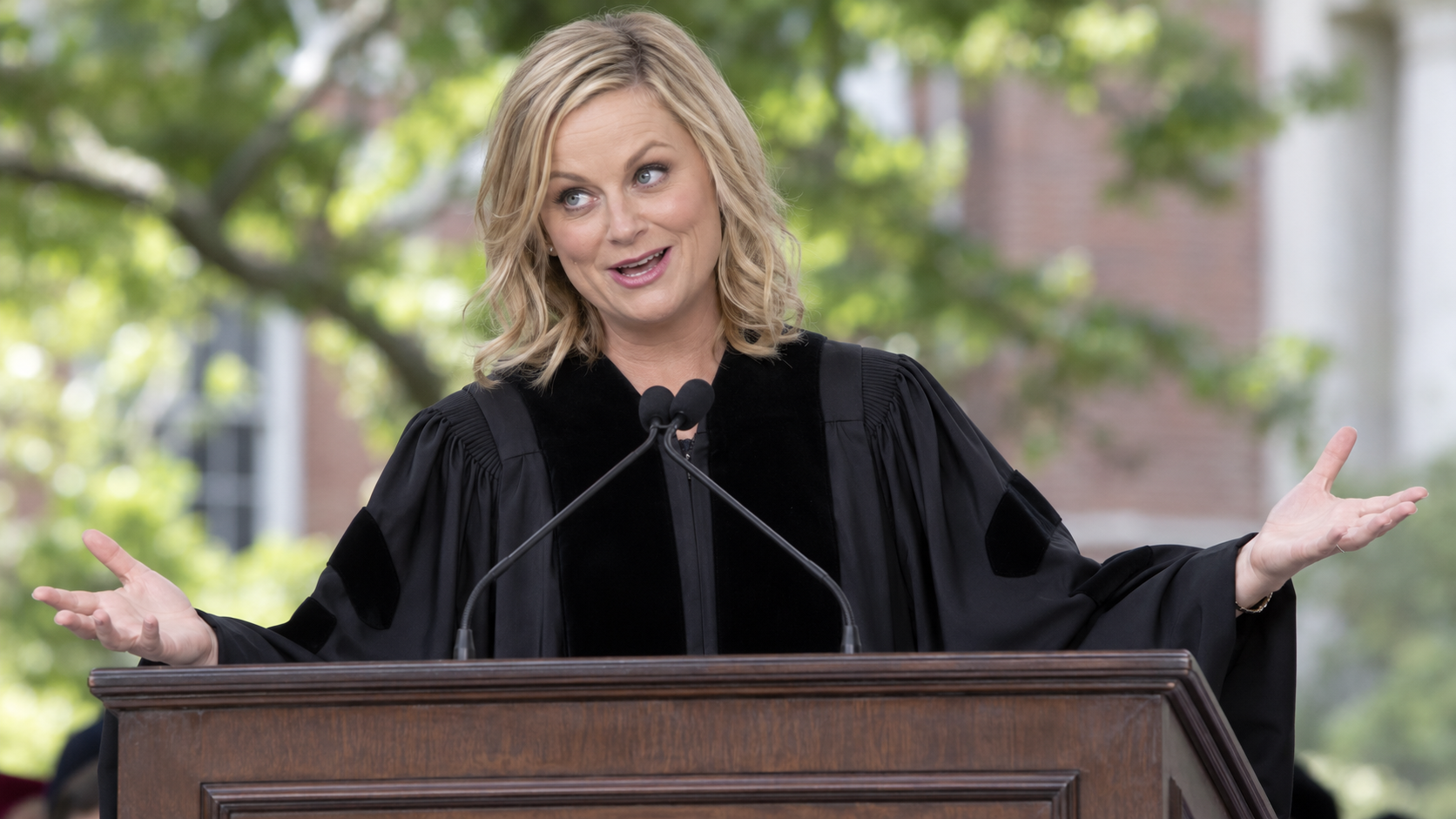
Amy Poehler’s Harvard advice treats collaboration as a life practice that changes both the work and the person making it.
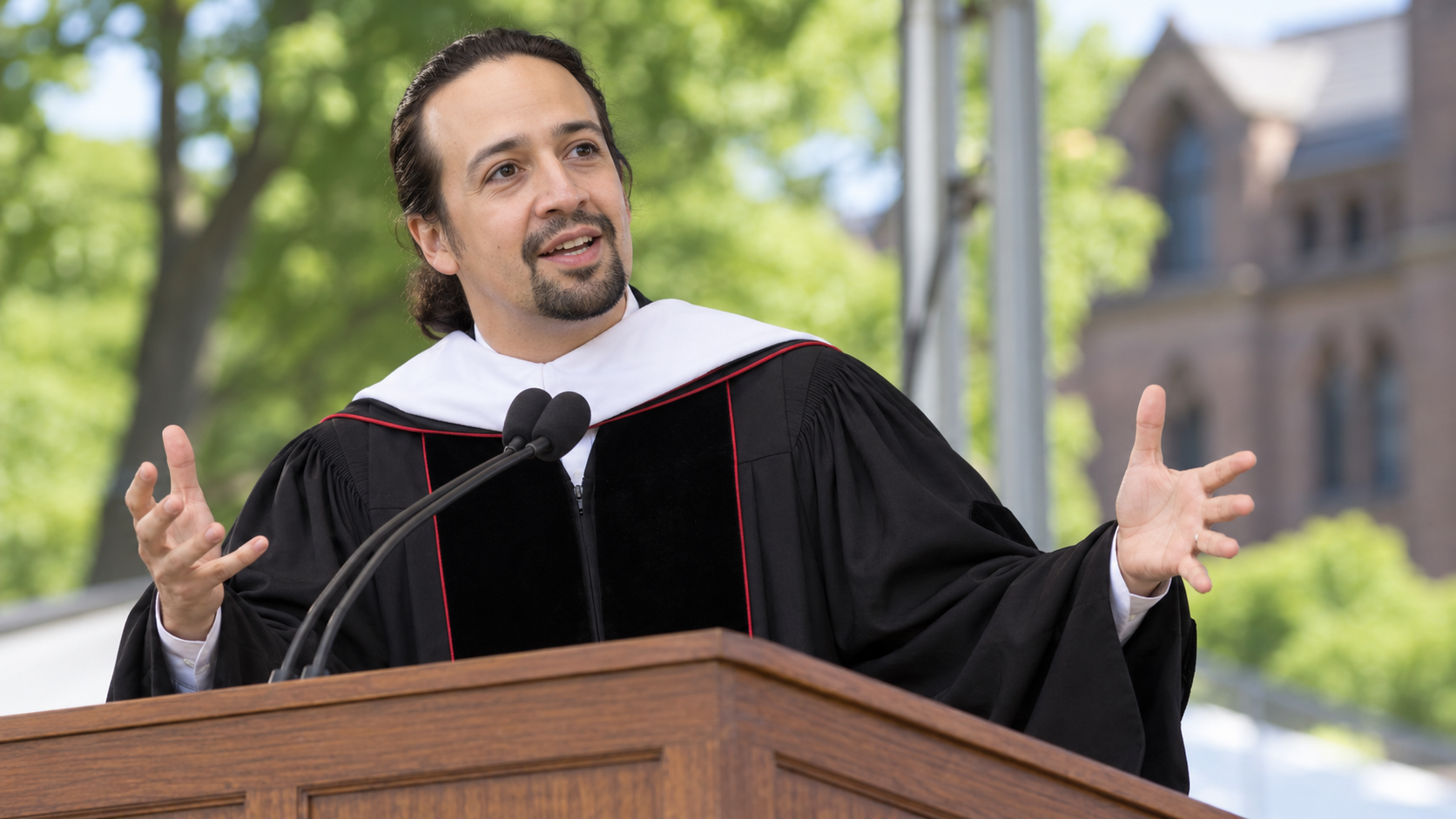
Lin-Manuel Miranda’s Wesleyan address turns the pressure of time into a call to inhabit the present with appetite and commitment.
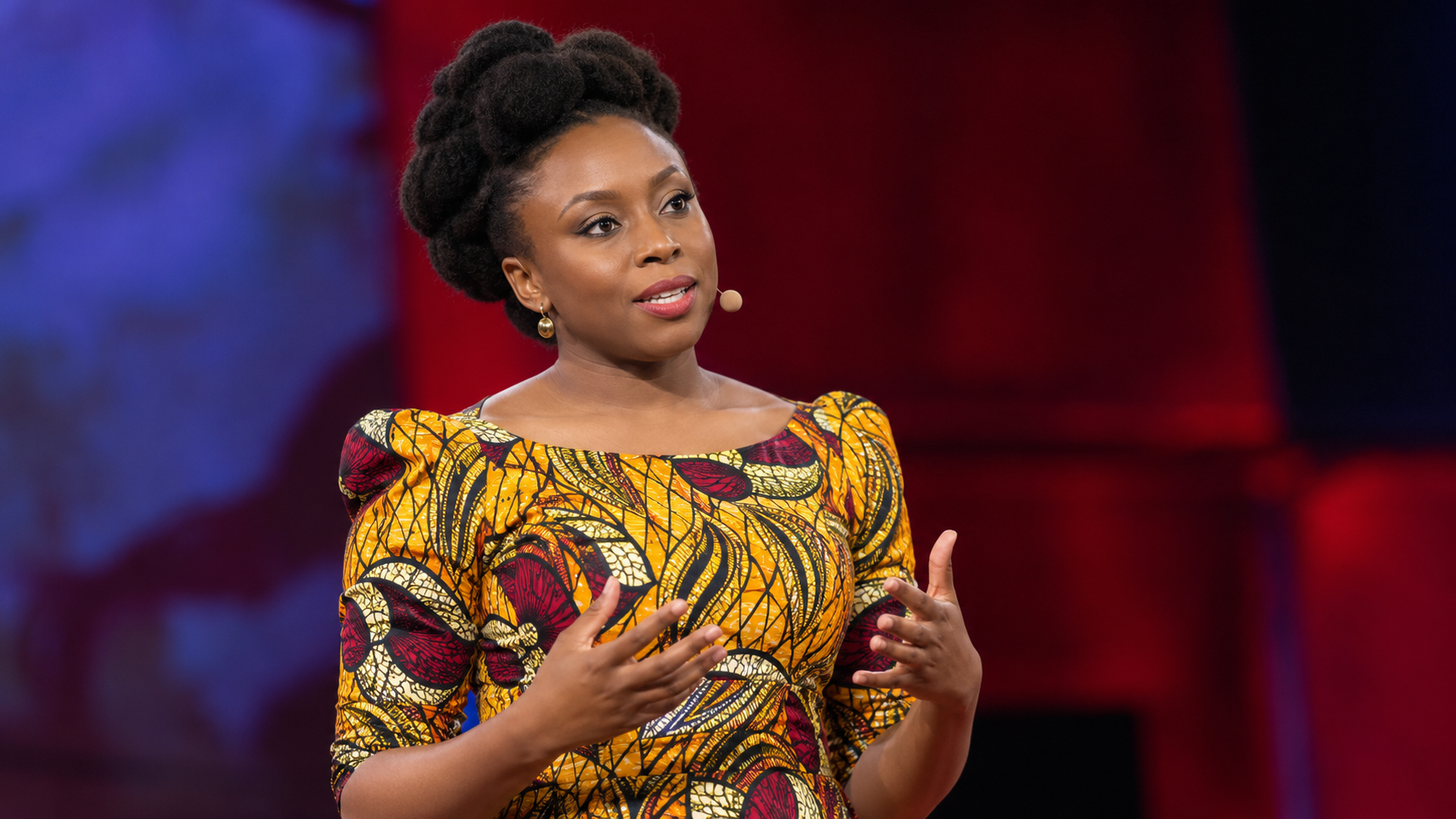
Chimamanda Ngozi Adichie’s TEDxEuston line rejects culture as a fixed excuse and restores people’s power to remake it.
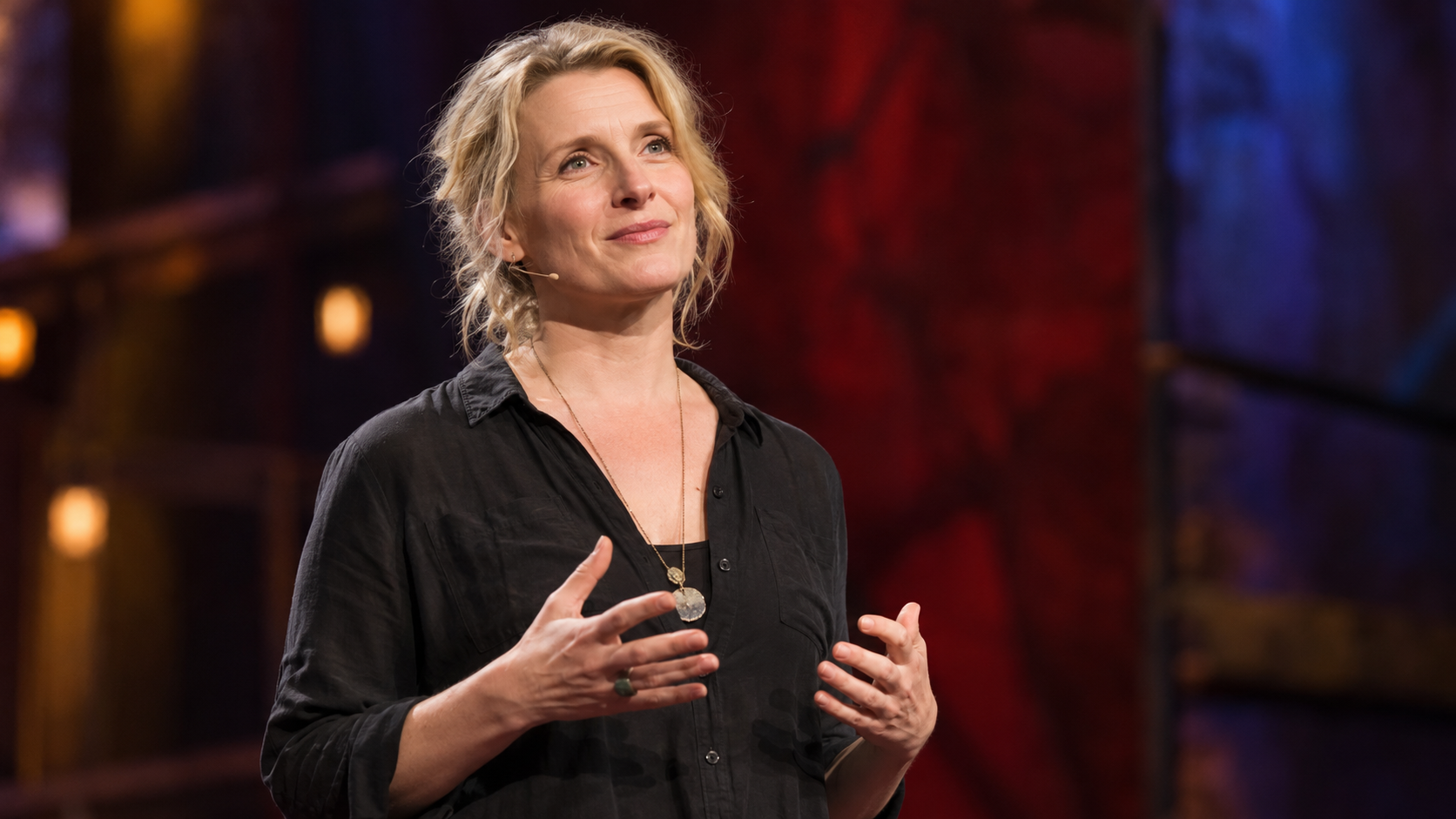
Elizabeth Gilbert’s TED talk defines a creative home as the work loved deeply enough to survive both failure and success.
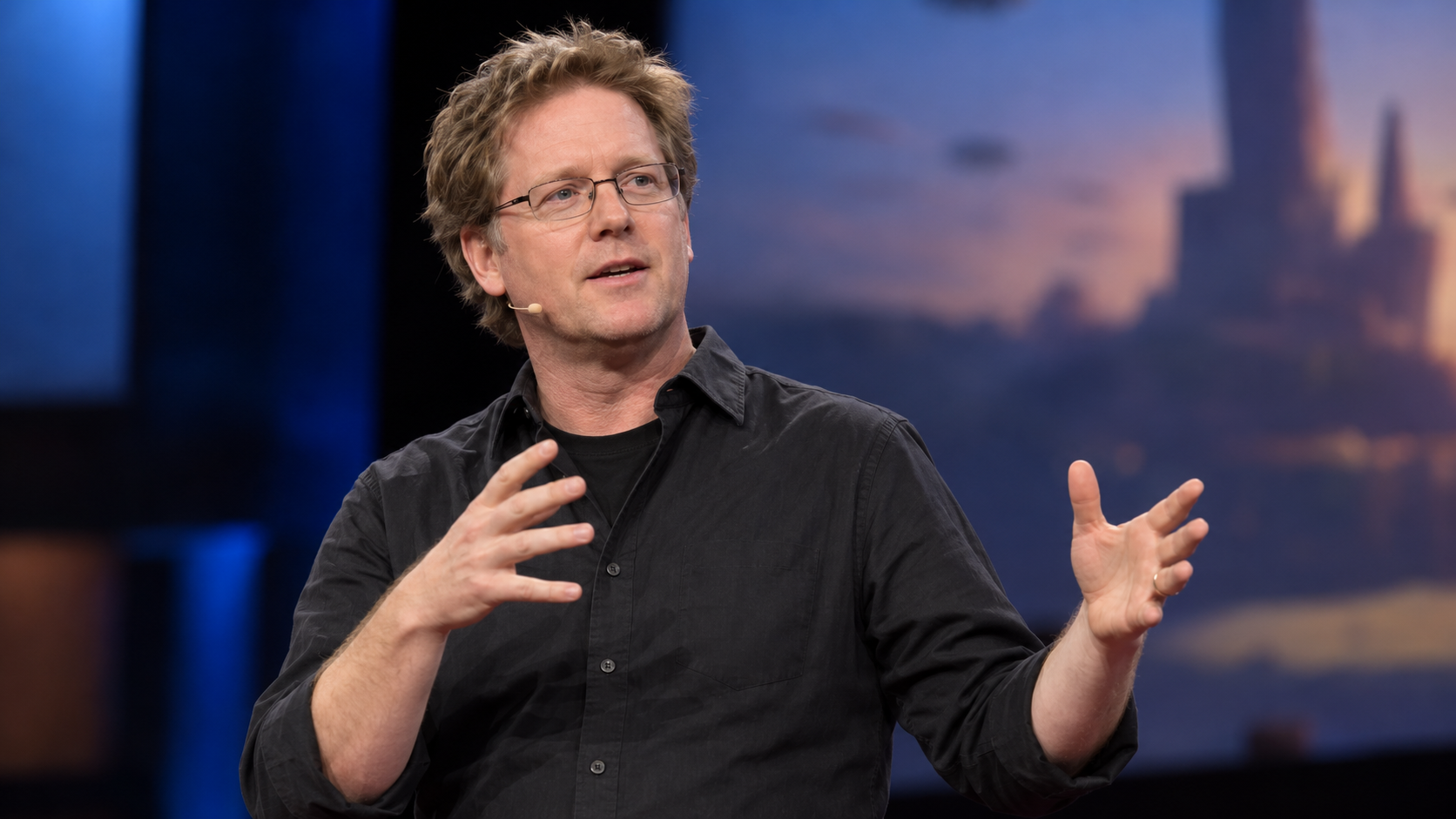
Andrew Stanton’s compact TED line argues that stories, like jokes, depend on sequence, withheld information, and a satisfying payoff.
David Bowie’s 1997 line turns uncertainty into a creative promise: the future may be unknown without becoming repetitive.