How Does Cellular Handoff Work?
This explainer shows cellular handoff in clear terms, including how it works, what it improves, and the limits people should understand.

Don't Just Read it – Explore It
This explainer shows cellular handoff in clear terms, including how it works, what it improves, and the limits people should understand.
This explainer shows hardware security key in clear terms, including how it works, what it improves, and the limits people should understand.
This explainer shows QUIC protocol in clear terms, including how it works, what it improves, and the limits people should understand.
This explainer shows network address translation in clear terms, including how it works, what it improves, and the limits people should understand.
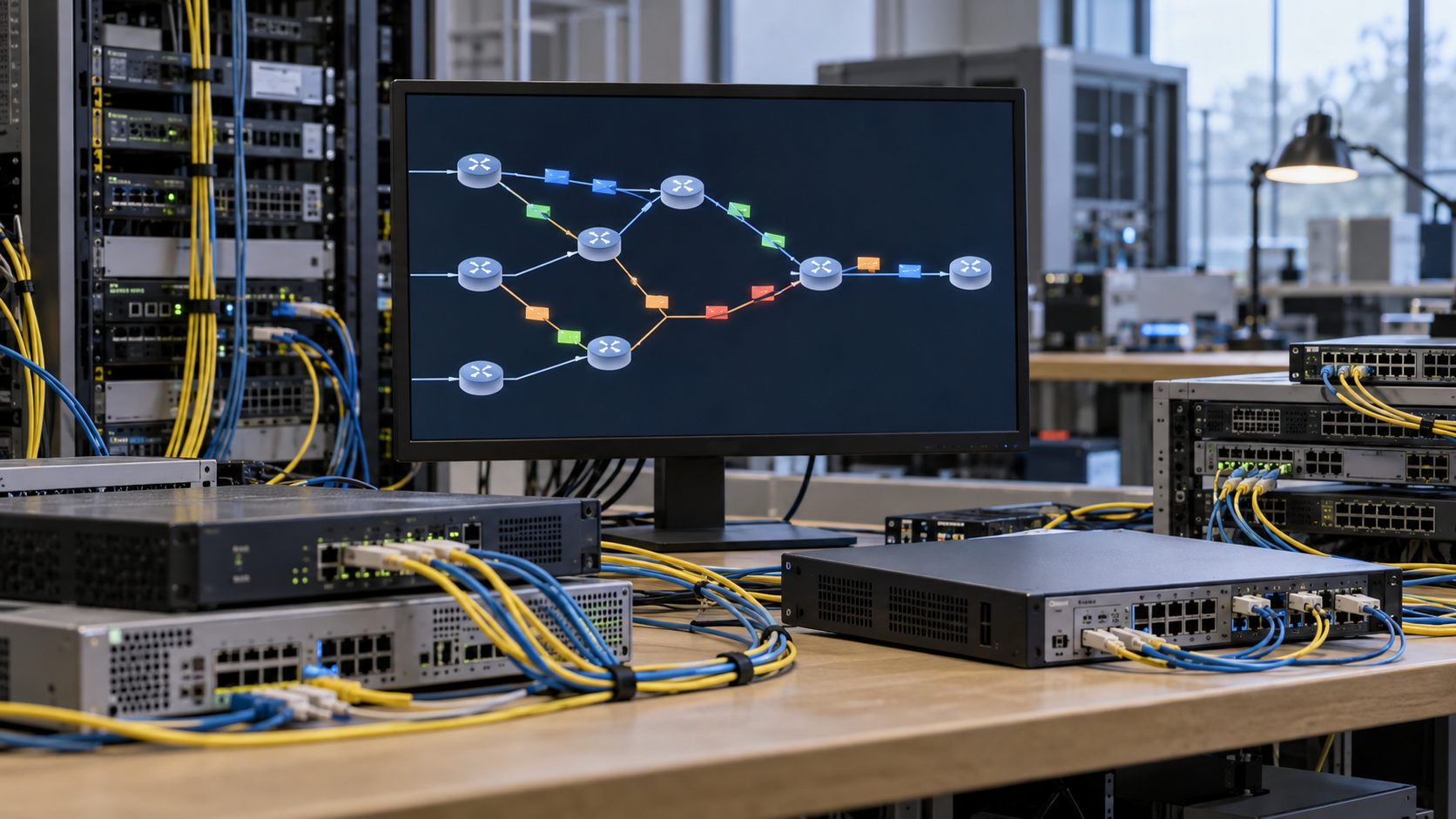
Packet switching divides data into addressed pieces that share network links. Learn routing, queues, reliability, congestion, and reassembly.
This explainer shows DNSSEC in clear terms, including how it works, what it improves, and the limits people should understand.
This explainer shows TLS handshake in clear terms, including how it works, what it improves, and the limits people should understand.
Code signing helps systems verify a software publisher and detect changed files. Learn hashes, certificates, timestamps, trust, and key security.
A Trusted Platform Module protects keys and records system measurements. Learn PCRs, sealing, attestation, uses, and important limitations.
An Internet exchange point lets independent networks exchange traffic directly. Learn peering, switching fabrics, route servers, and the benefits.
Secure Boot verifies trusted startup software before it runs. Learn the chain of trust, key databases, limits, and compatibility tradeoffs.
An API gateway is a controlled entry point between clients and backend services. Learn routing, security policies, aggregation, and tradeoffs.