How Pollen Tubes Deliver Sperm Cells to Ovules
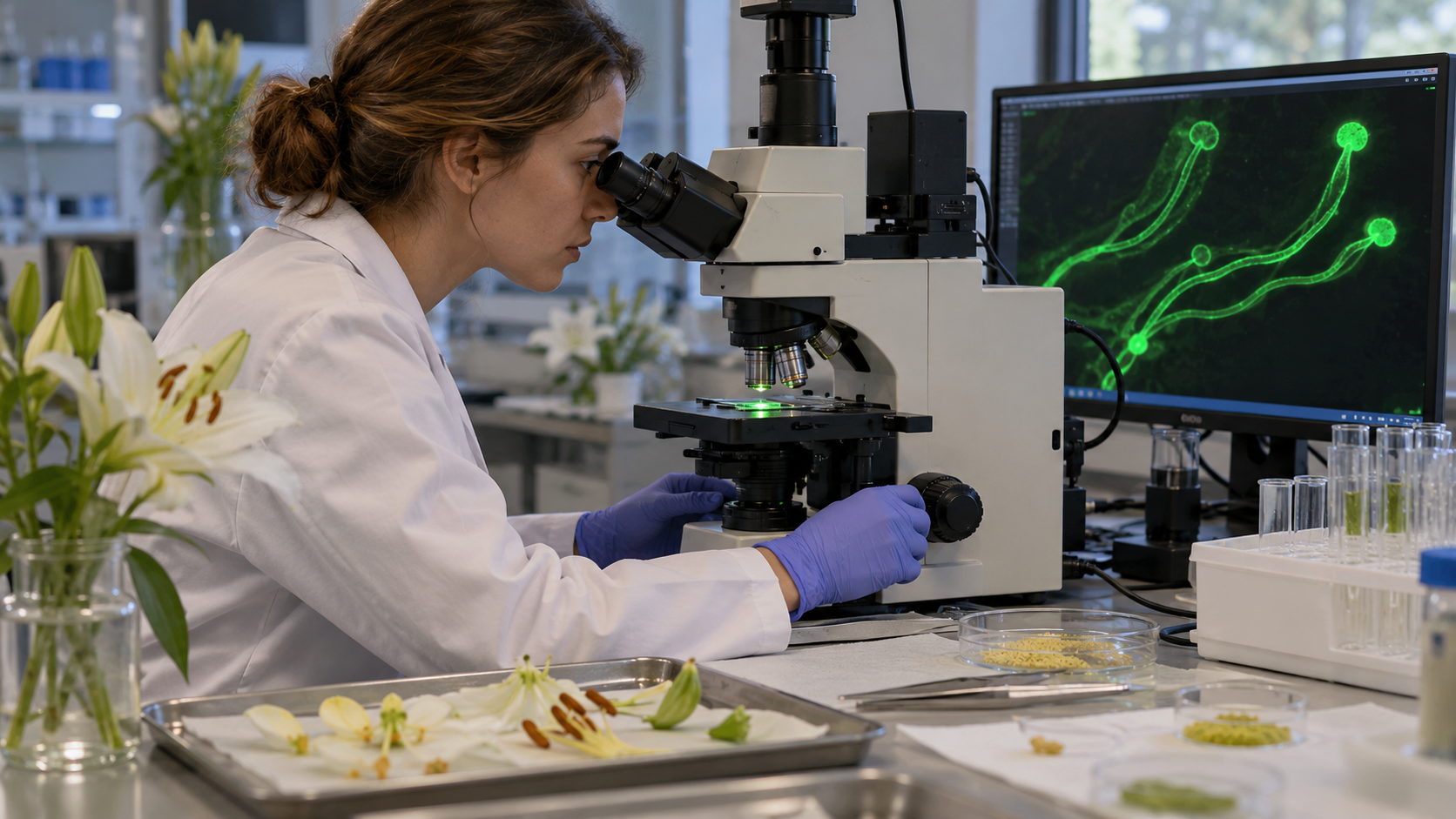
A pollen grain germinates a rapidly growing tube that follows chemical and physical cues through flower tissue to deliver sperm cells to an ovule.

Don't Just Read it – Explore It

Ice-T says his reduced screen time on this season of “Law & Order: SVU” comes down to budgeting and cast…

Breaking Rust is a computer-generated country artist whose song “Walk My Walk” just hit No. 1 on Billboard’s Country Digital…

Loading… Key Takeaways The Top 10 cutest cat breeds blend striking physical features with warm, affectionate personalities that appeal to…

Elon Musk says artificial intelligence and advanced robotics could make traditional work optional within the next 10–20 years. Speaking at…

The founder of Yara AI, a mental-health chatbot, has shut the app down after concluding it posed unacceptable risks to…

Black Friday isn’t the blockbuster shopping event it once was. Retailers have stretched deals across weeks, foot traffic is flat,…

Mick Jagger, now 82, continues to perform with remarkable stamina thanks to a highly disciplined lifestyle centered on daily movement,…
A pollen grain germinates a rapidly growing tube that follows chemical and physical cues through flower tissue to deliver sperm cells to an ovule.
A bacterial flagellar motor converts an ion gradient across the cell membrane into torque that spins a helical propeller for swimming.
RNA polymerase reads one DNA strand and builds a complementary RNA molecule through initiation, elongation, proofreading, and termination.
SNARE proteins assemble into a tight complex that pulls two membranes together, helping overcome the energetic barrier to bilayer fusion.
Aquaporin channels let water cross membranes rapidly and selectively, while osmotic gradients determine the direction and rate of net flow.
Peroxisomes shorten very-long-chain fatty acids through beta oxidation while enzymes safely manage the hydrogen peroxide produced inside.
Dust and gas orbiting a young star collide, stick, concentrate, and grow into planetesimals and planetary cores while the disk evolves and disperses.
Merging neutron stars eject extremely neutron-rich matter where rapid neutron capture builds heavy nuclei whose radioactive decay powers a kilonova.
Spiral arms are long-lived or recurring patterns of enhanced density where gas is compressed and bright young stars help trace the galactic structure.
A thermocline is a depth interval where temperature falls rapidly, creating density stratification between warm mixed surface water and colder deep water.
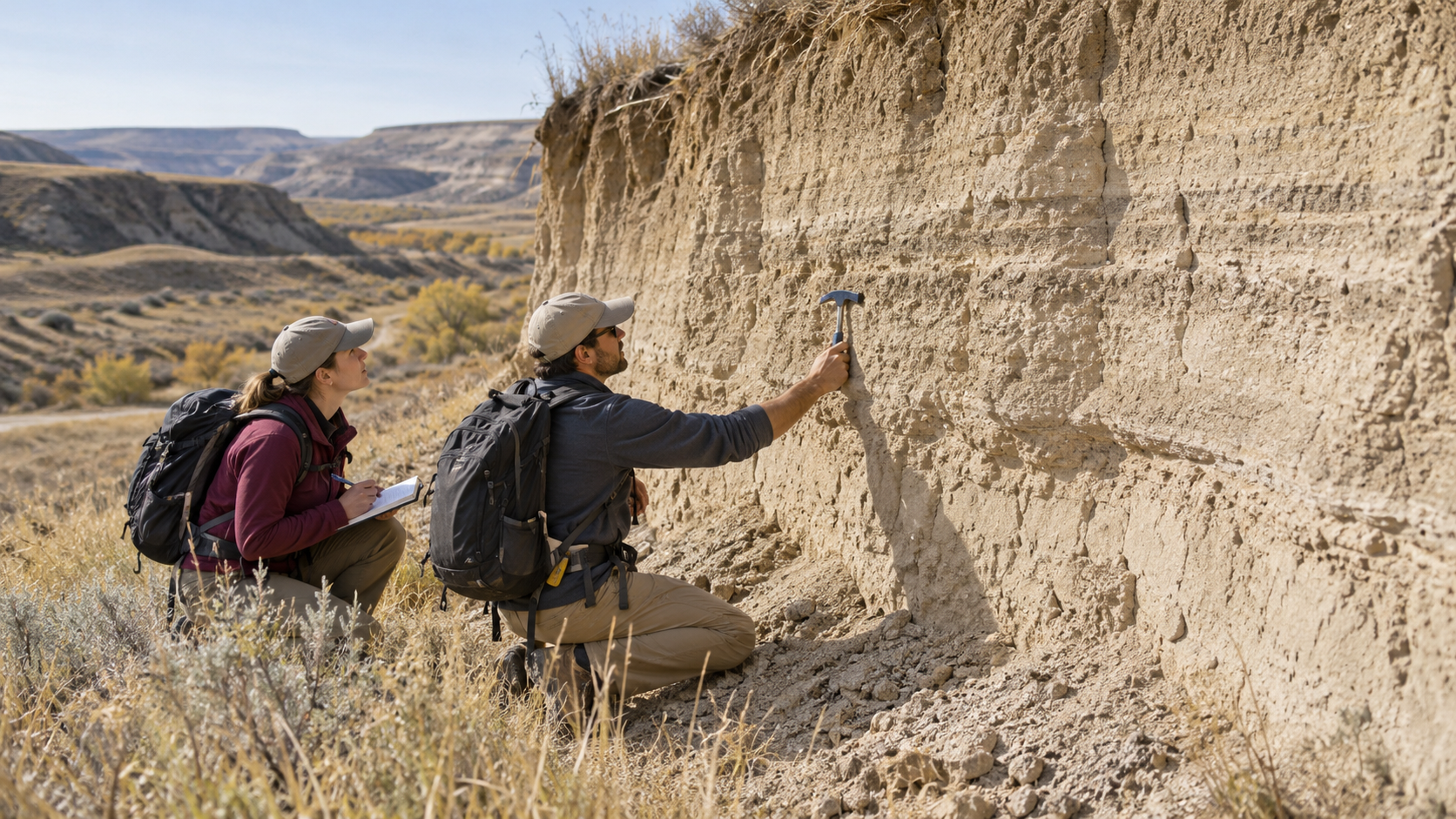
Winds lift fine silt from exposed sediment sources and deposit it downwind, building thick loess layers that later erode into distinctive terrain.
When a large eruption removes substantial magma from a shallow reservoir, unsupported overlying rock can fracture and collapse into a broad basin.