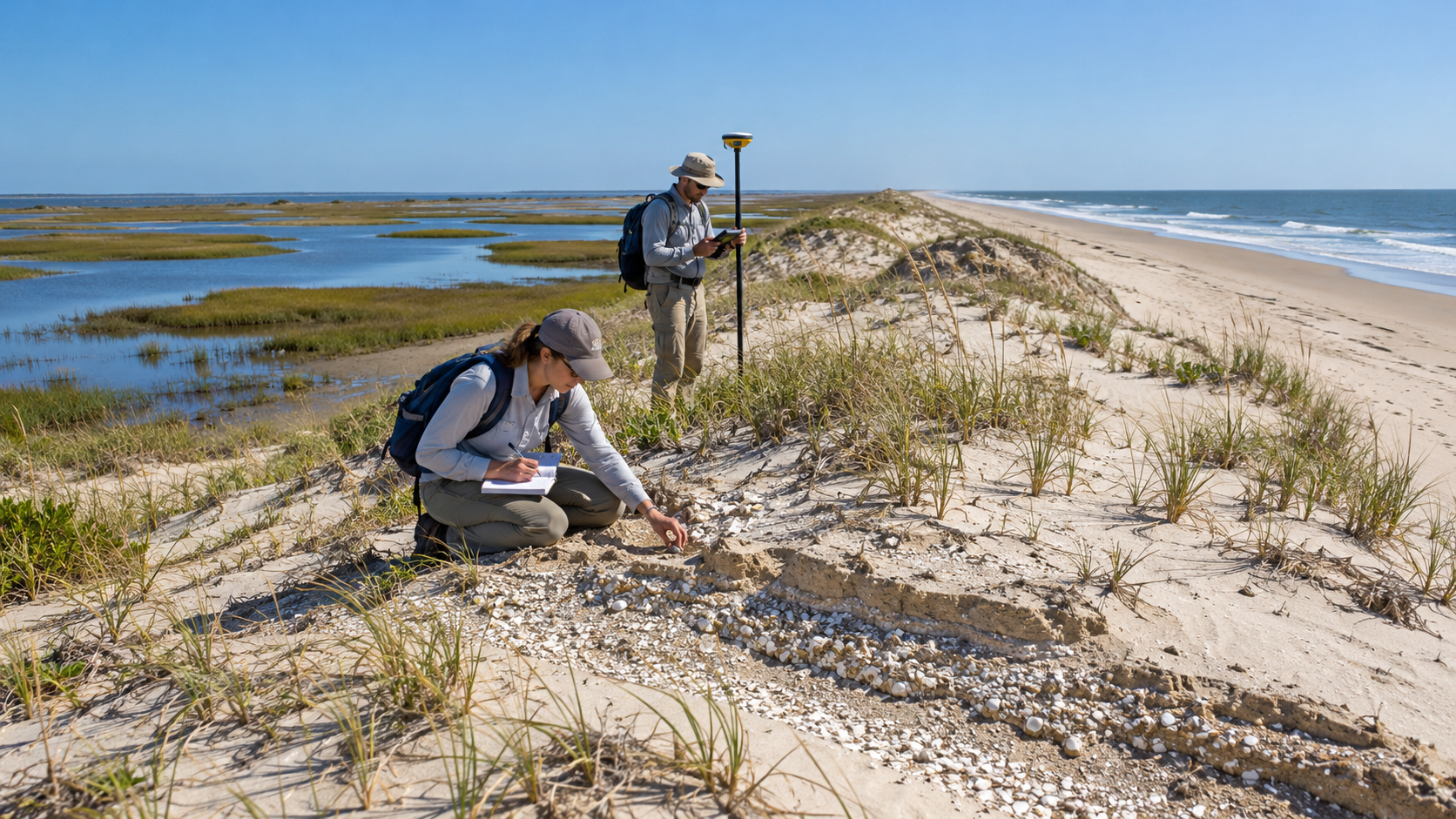
How Barrier Islands Migrate
Waves, currents, wind, tides, storms, and sea-level change continually move sand along and across barrier islands, shifting their shape and position.

Don't Just Read it – Explore It

Ice-T says his reduced screen time on this season of “Law & Order: SVU” comes down to budgeting and cast…

Breaking Rust is a computer-generated country artist whose song “Walk My Walk” just hit No. 1 on Billboard’s Country Digital…

Loading… Key Takeaways The Top 10 cutest cat breeds blend striking physical features with warm, affectionate personalities that appeal to…

Elon Musk says artificial intelligence and advanced robotics could make traditional work optional within the next 10–20 years. Speaking at…

The founder of Yara AI, a mental-health chatbot, has shut the app down after concluding it posed unacceptable risks to…

Black Friday isn’t the blockbuster shopping event it once was. Retailers have stretched deals across weeks, foot traffic is flat,…

Mick Jagger, now 82, continues to perform with remarkable stamina thanks to a highly disciplined lifestyle centered on daily movement,…
Waves, currents, wind, tides, storms, and sea-level change continually move sand along and across barrier islands, shifting their shape and position.
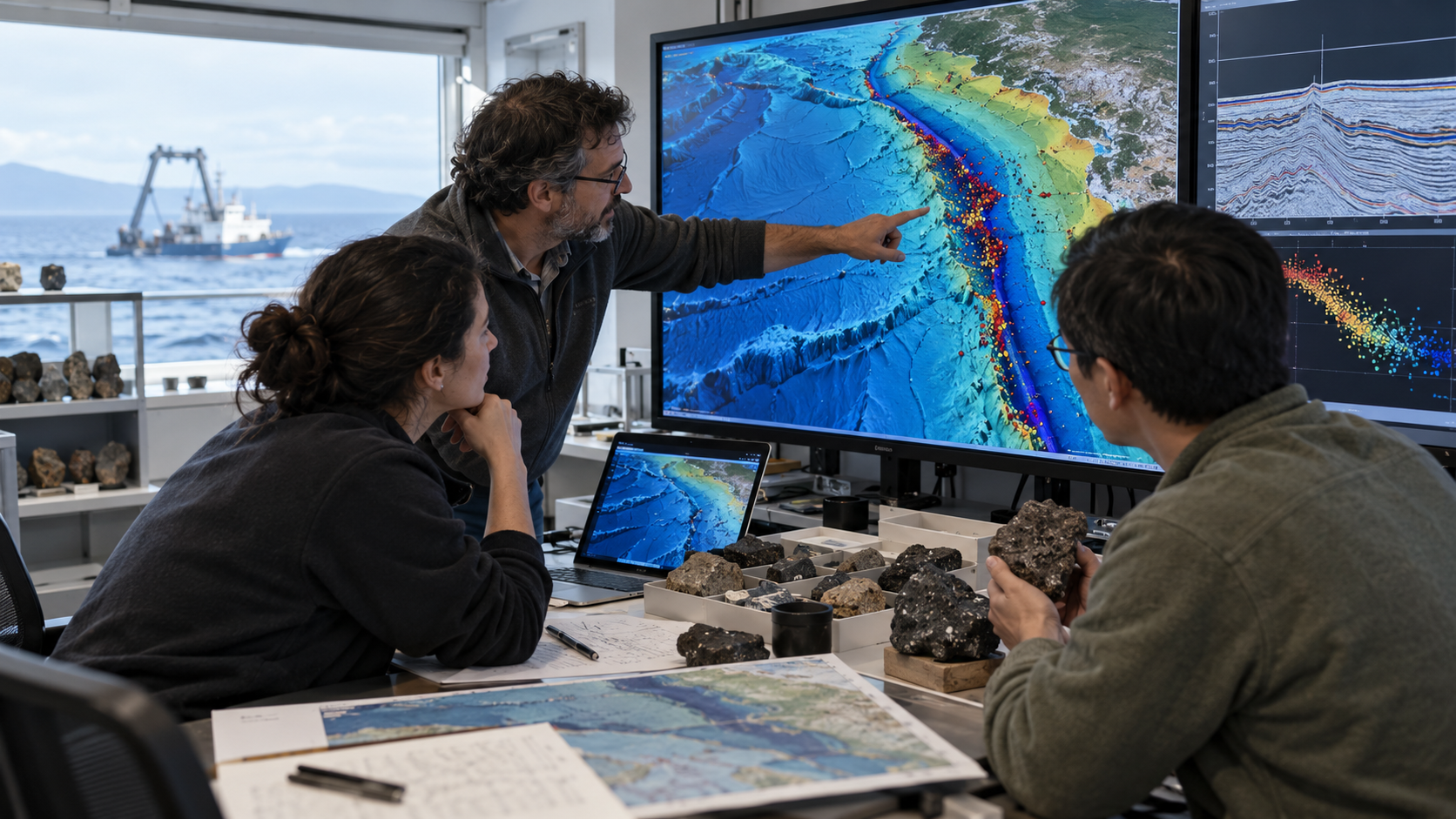
At convergent boundaries, dense oceanic lithosphere bends into the mantle, carrying rock and sediment into earthquakes and arc magmatism.
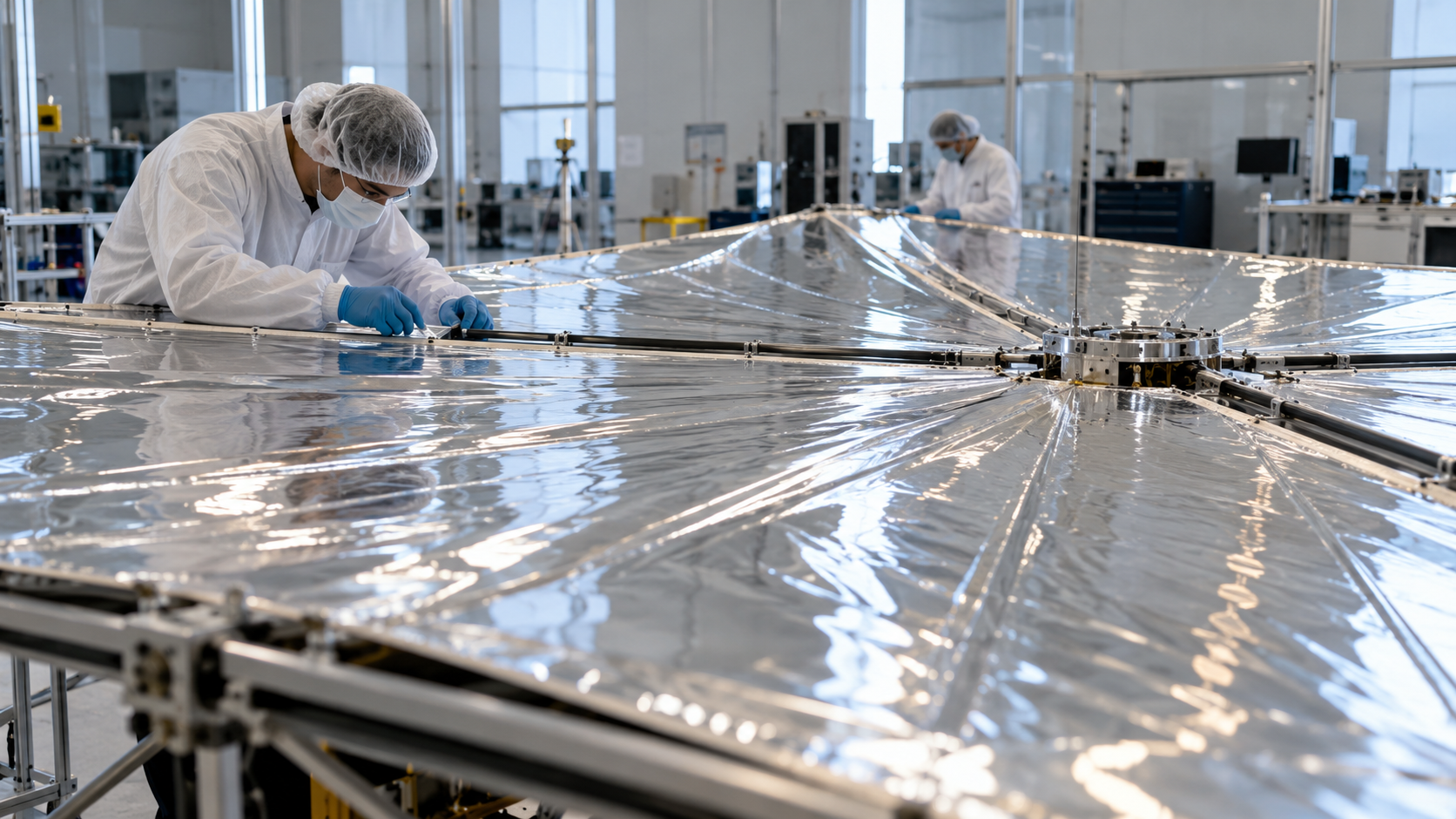
Photons carry momentum, so absorbed or reflected light exerts a small force that can move particles, shape dust, or propel a solar sail.
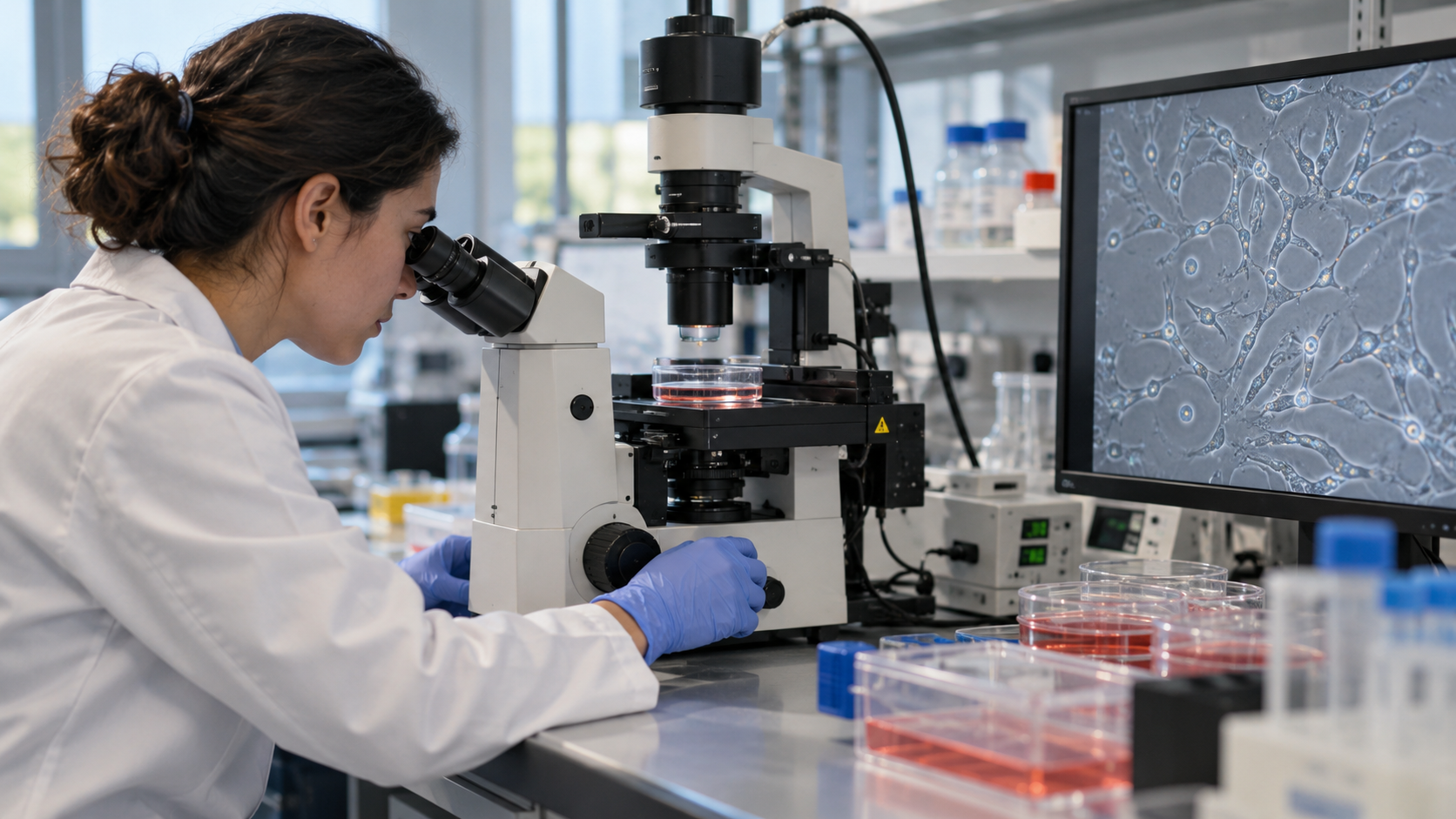
Phase-contrast microscopy converts light-wave delays caused by transparent structures into visible brightness differences without requiring stains.
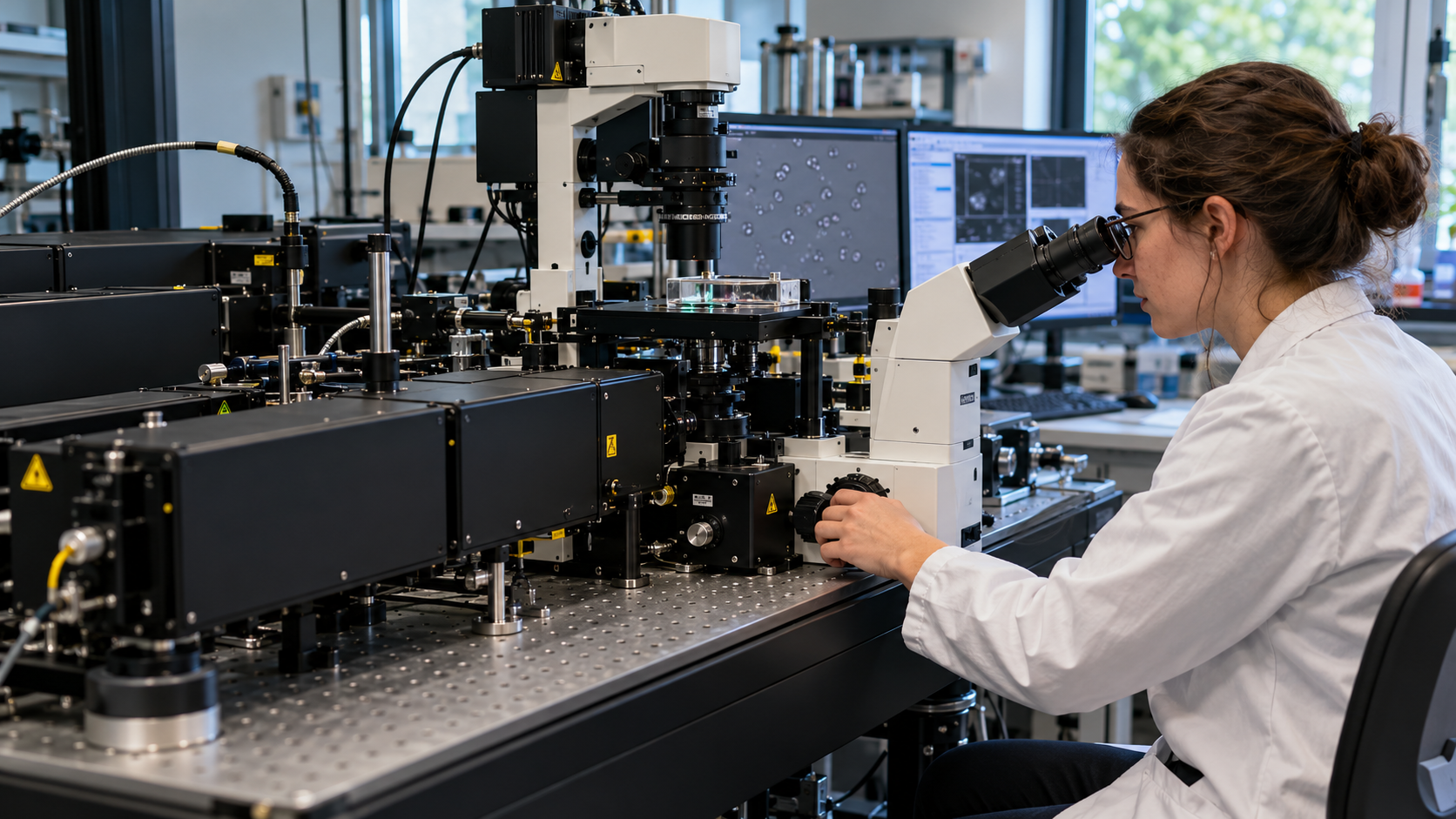
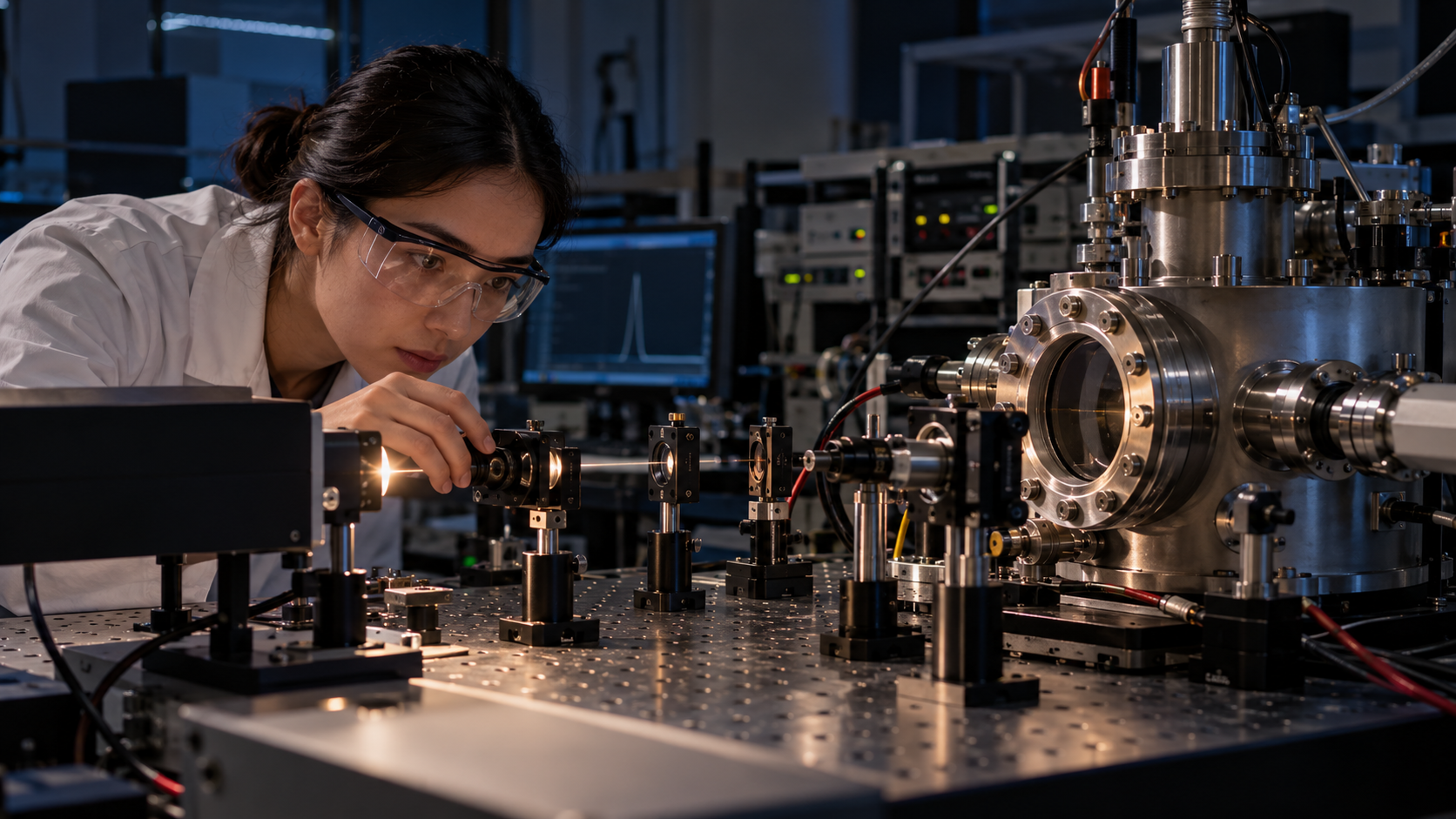
A tightly focused laser creates optical forces that draw suitable microscopic particles toward a stable region and allow tiny forces to be measured.
Sound grows when repeated pressure forces arrive near a system’s natural frequency and reinforce a compatible standing-wave pattern.
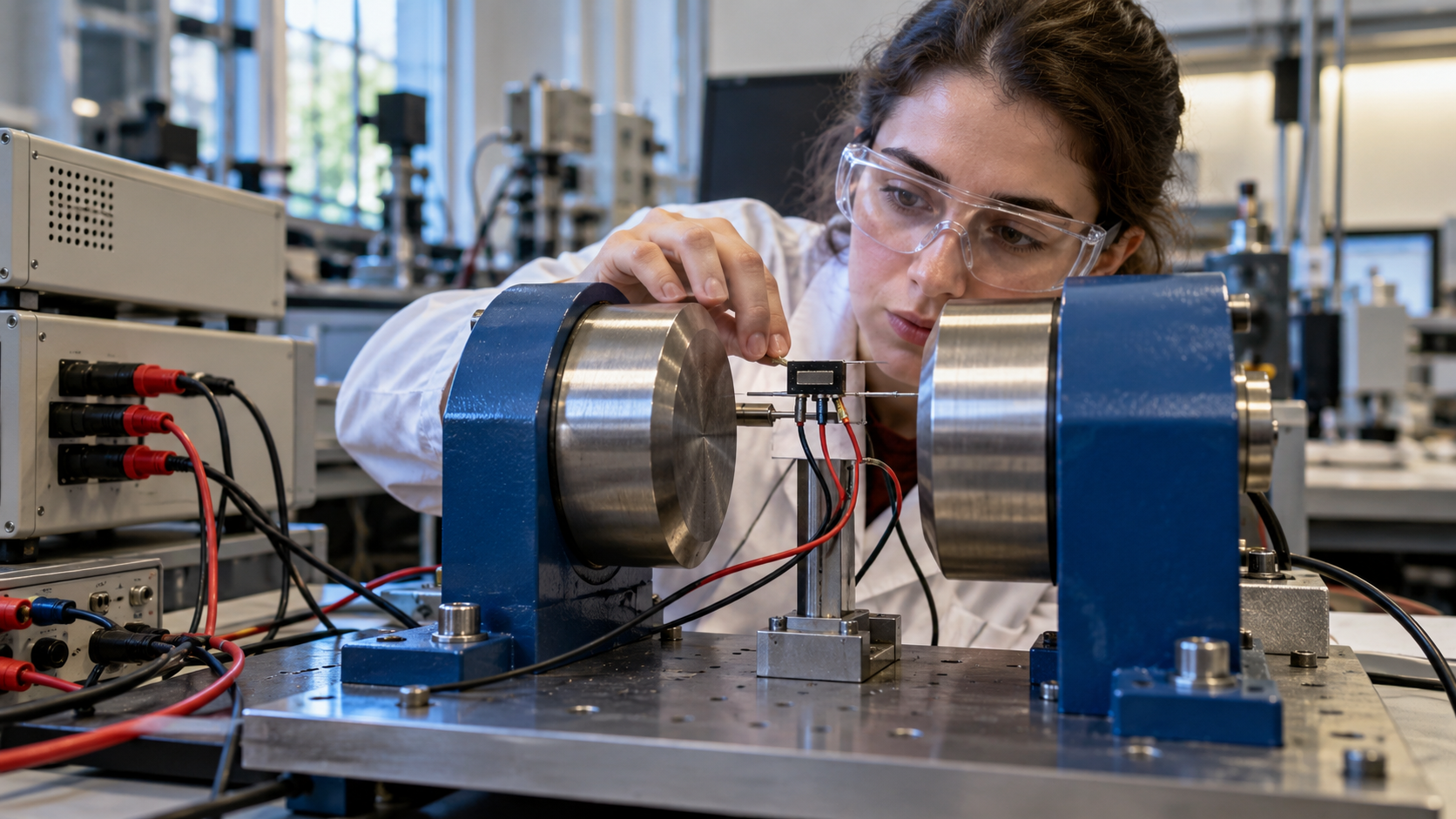
A magnetic field deflects moving charge carriers sideways, creating a transverse Hall voltage that reveals field strength and carrier behavior.
When a photon transfers enough energy to an electron in a material, the electron can overcome the surface work function and escape.
Sol-gel processing converts molecular precursors into a connected inorganic network, then uses aging and drying to create coatings or porous solids.
Hydrogels combine water-attracting polymer groups with a crosslinked network that swells extensively without dissolving.
Crosslinks join polymer chains into networks, limiting molecular motion and changing stiffness, elasticity, creep, swelling, and heat response.
Chromophores absorb selected wavelengths by promoting electrons between molecular energy levels, leaving the remaining light to determine observed color.