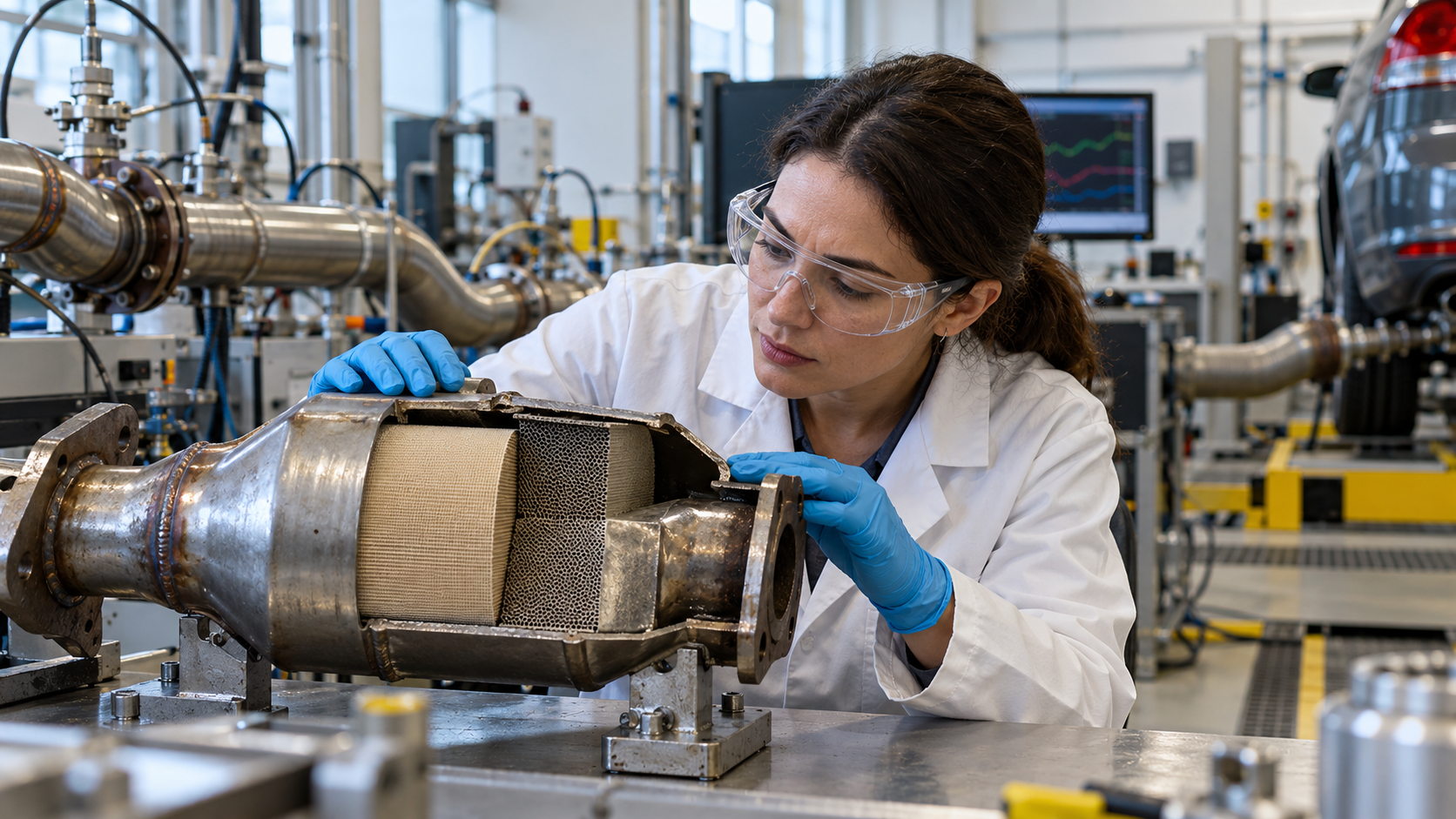
How Catalytic Converters Transform Exhaust Gases
Catalytic converters expose hot exhaust to coated honeycomb surfaces that accelerate oxidation and reduction reactions for major pollutants.

Don't Just Read it – Explore It

Ice-T says his reduced screen time on this season of “Law & Order: SVU” comes down to budgeting and cast…

Breaking Rust is a computer-generated country artist whose song “Walk My Walk” just hit No. 1 on Billboard’s Country Digital…

Loading… Key Takeaways The Top 10 cutest cat breeds blend striking physical features with warm, affectionate personalities that appeal to…

Elon Musk says artificial intelligence and advanced robotics could make traditional work optional within the next 10–20 years. Speaking at…

The founder of Yara AI, a mental-health chatbot, has shut the app down after concluding it posed unacceptable risks to…

Black Friday isn’t the blockbuster shopping event it once was. Retailers have stretched deals across weeks, foot traffic is flat,…

Mick Jagger, now 82, continues to perform with remarkable stamina thanks to a highly disciplined lifestyle centered on daily movement,…
Catalytic converters expose hot exhaust to coated honeycomb surfaces that accelerate oxidation and reduction reactions for major pollutants.
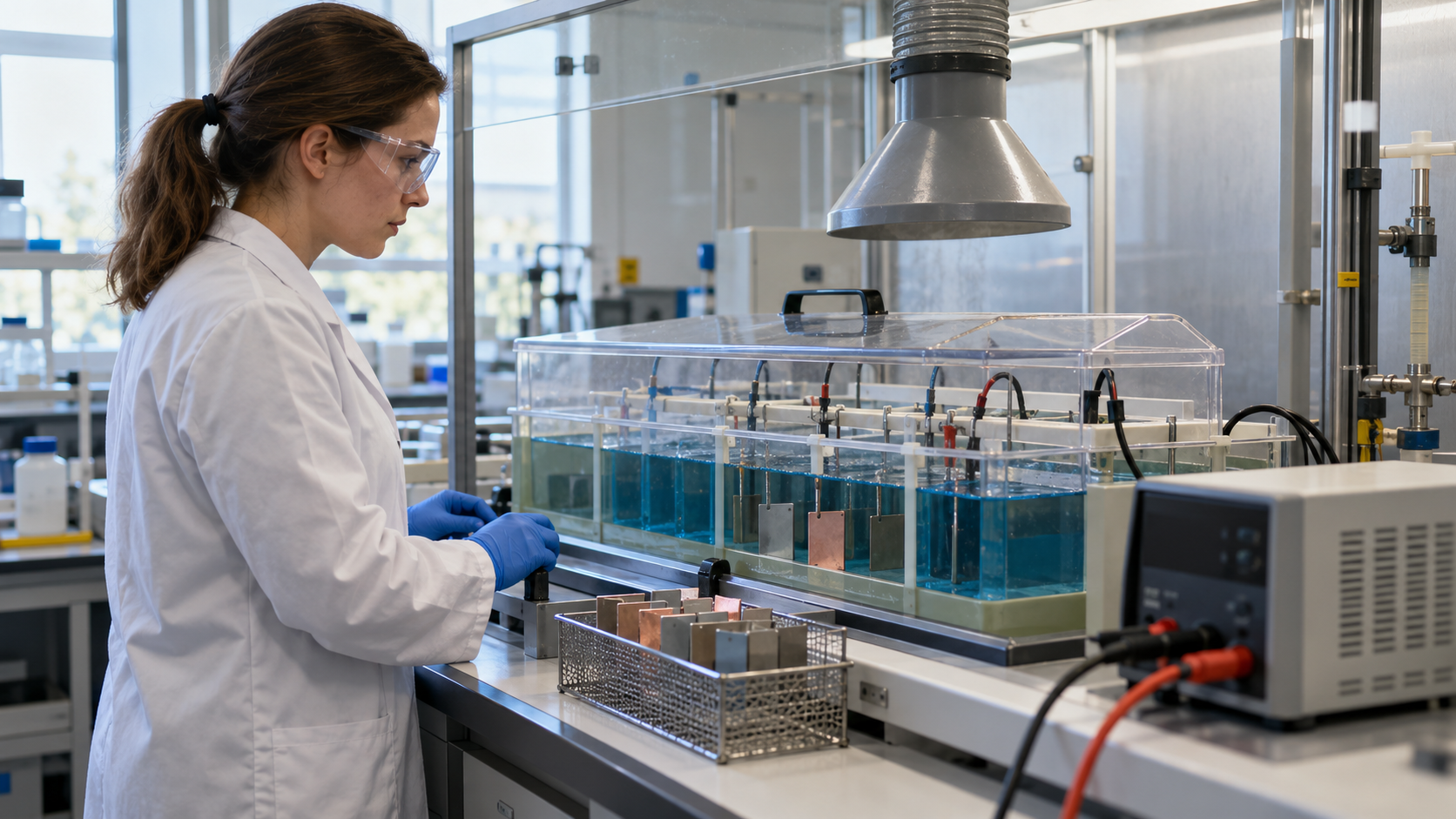
Electroplating drives dissolved metal ions toward a conductive surface, where they gain electrons and build a controlled metallic coating.
After disturbance or new surface formation, species arrive, alter conditions, and interact in ways that change community composition over time.
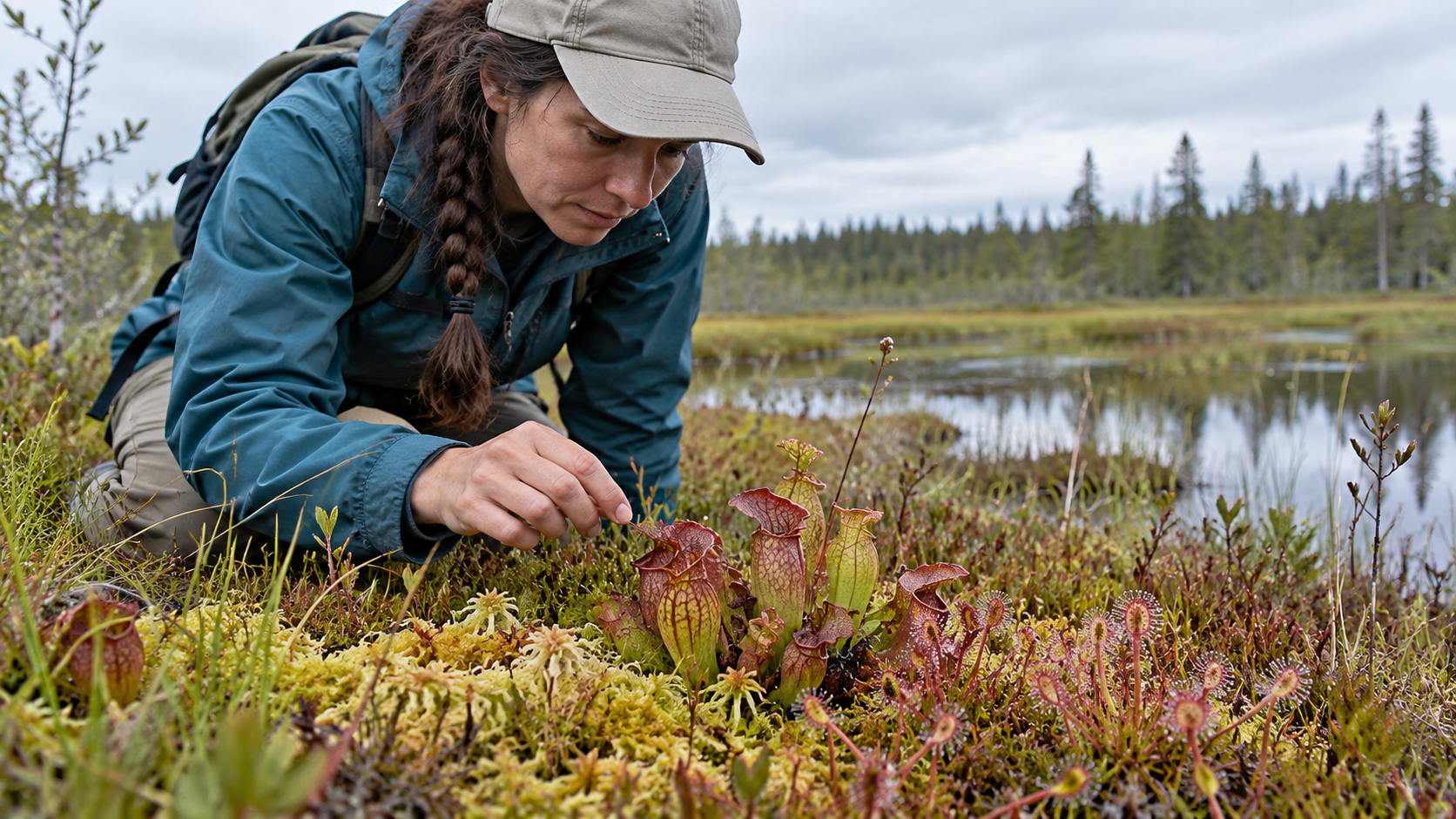
Carnivorous plants photosynthesize but supplement scarce soil nutrients by trapping small animals and absorbing products released during digestion.
Shorter days and cooling conditions trigger leaf senescence, chlorophyll loss, nutrient recovery, and changing visibility or production of pigments.
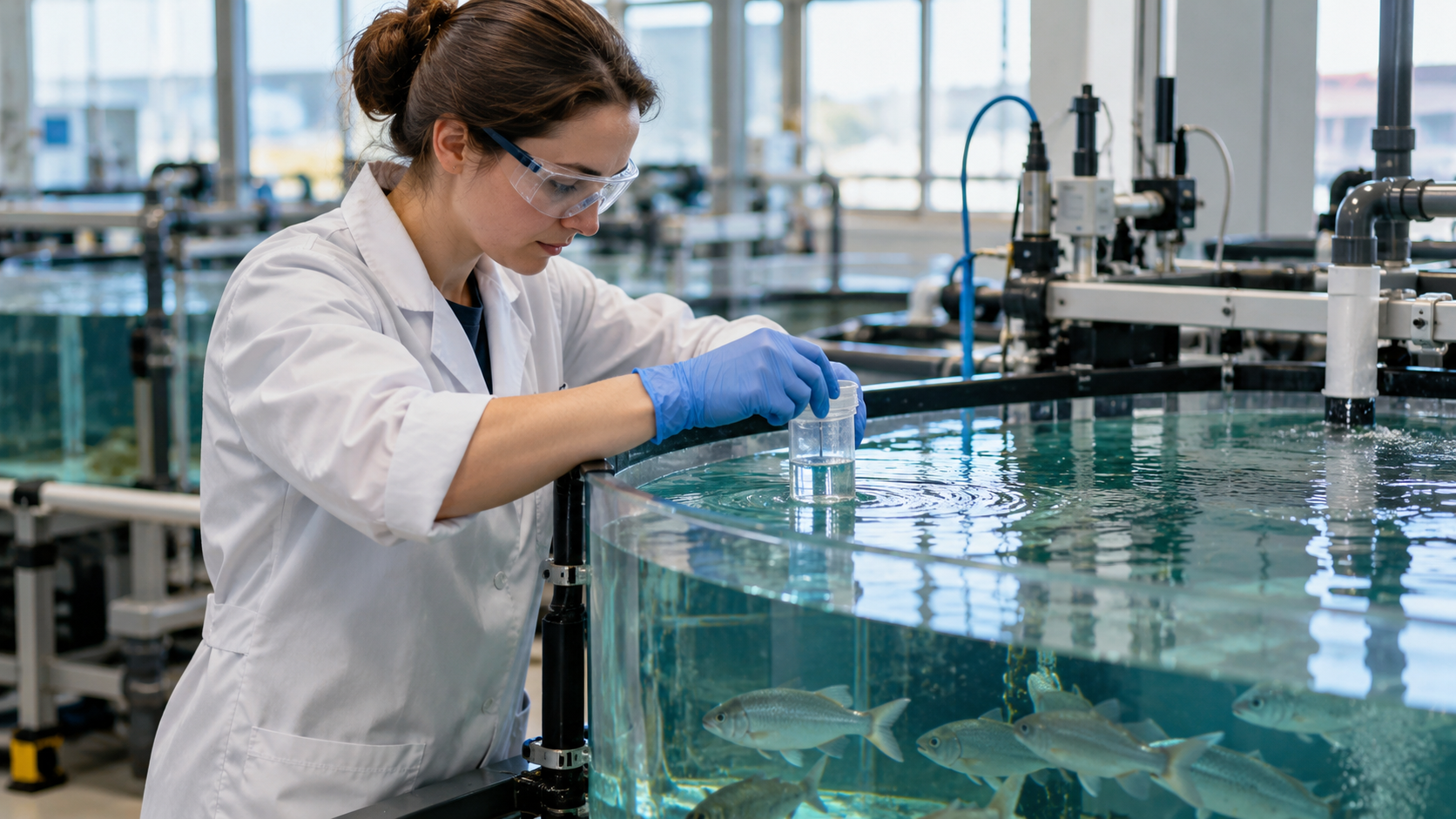
Fish regulate ions and water through their gills, kidneys, intestines, and hormones, with opposite challenges in fresh water and seawater.
Adjacent blood vessels carrying fluid in opposite directions transfer heat along their length, limiting heat loss from exposed extremities.
Neutrophils can release chromatin coated with antimicrobial proteins, creating extracellular webs that ensnare microbes but may also damage tissue.
Ribozymes fold RNA into catalytic structures that position substrates, metal ions, and reactive groups to accelerate specific reactions.
Cell-cycle checkpoints delay progression when DNA is damaged, replication is incomplete, or chromosomes are not properly attached for separation.
The Golgi modifies proteins and lipids as they cross polarized compartments, then sorts them into carriers for distinct cellular destinations.
The endoplasmic reticulum receives many new proteins, helps them fold and mature, and sends qualified cargo toward the Golgi apparatus.