How Volcanoes Build New Land
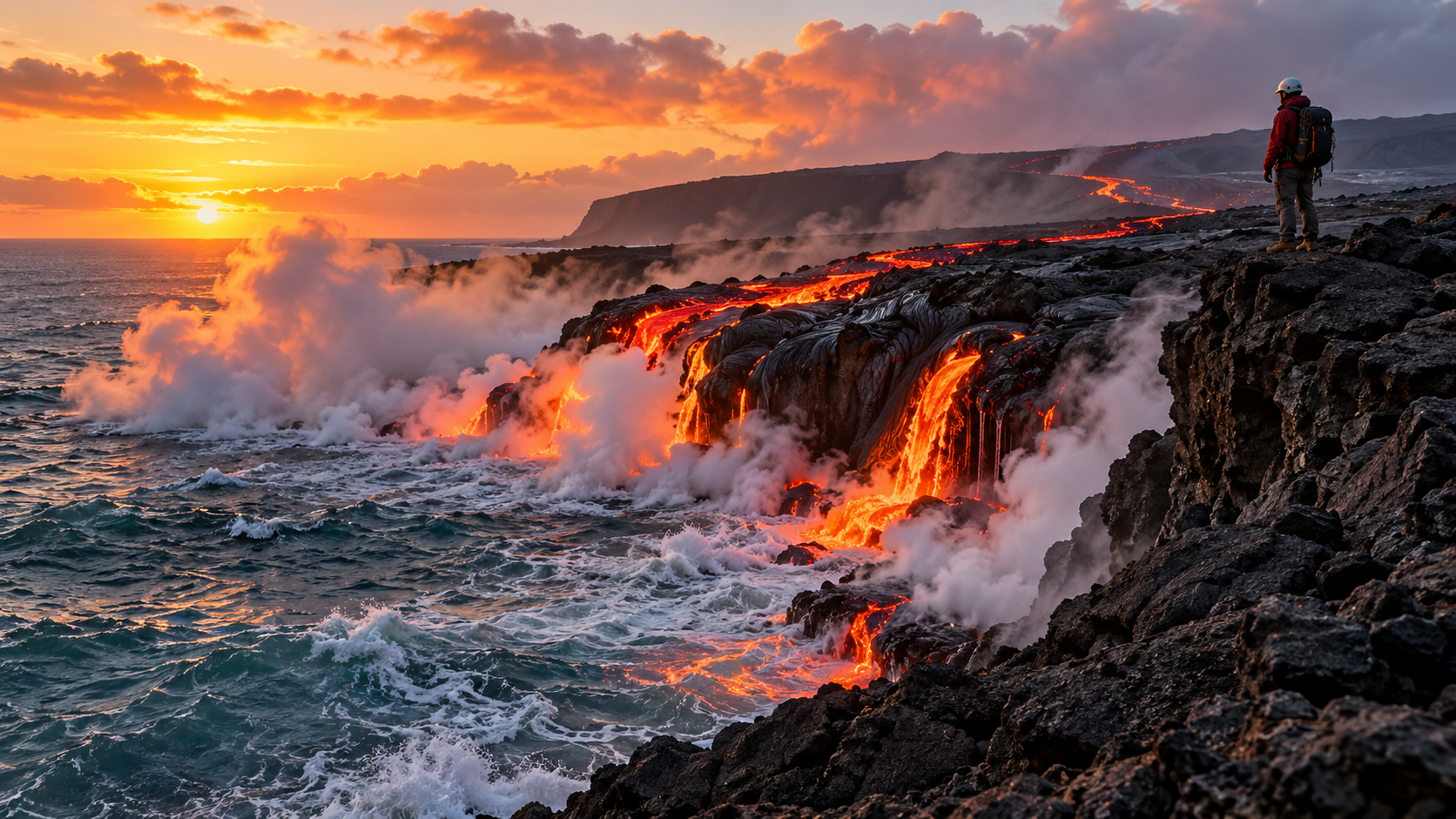
Repeated eruptions pile up lava and fragmented rock, creating islands, mountains, plateaus, and unstable new coastlines.

Don't Just Read it – Explore It

Ice-T says his reduced screen time on this season of “Law & Order: SVU” comes down to budgeting and cast…

Breaking Rust is a computer-generated country artist whose song “Walk My Walk” just hit No. 1 on Billboard’s Country Digital…

Loading… Key Takeaways The Top 10 cutest cat breeds blend striking physical features with warm, affectionate personalities that appeal to…

Elon Musk says artificial intelligence and advanced robotics could make traditional work optional within the next 10–20 years. Speaking at…

The founder of Yara AI, a mental-health chatbot, has shut the app down after concluding it posed unacceptable risks to…

Black Friday isn’t the blockbuster shopping event it once was. Retailers have stretched deals across weeks, foot traffic is flat,…

Mick Jagger, now 82, continues to perform with remarkable stamina thanks to a highly disciplined lifestyle centered on daily movement,…
Repeated eruptions pile up lava and fragmented rock, creating islands, mountains, plateaus, and unstable new coastlines.
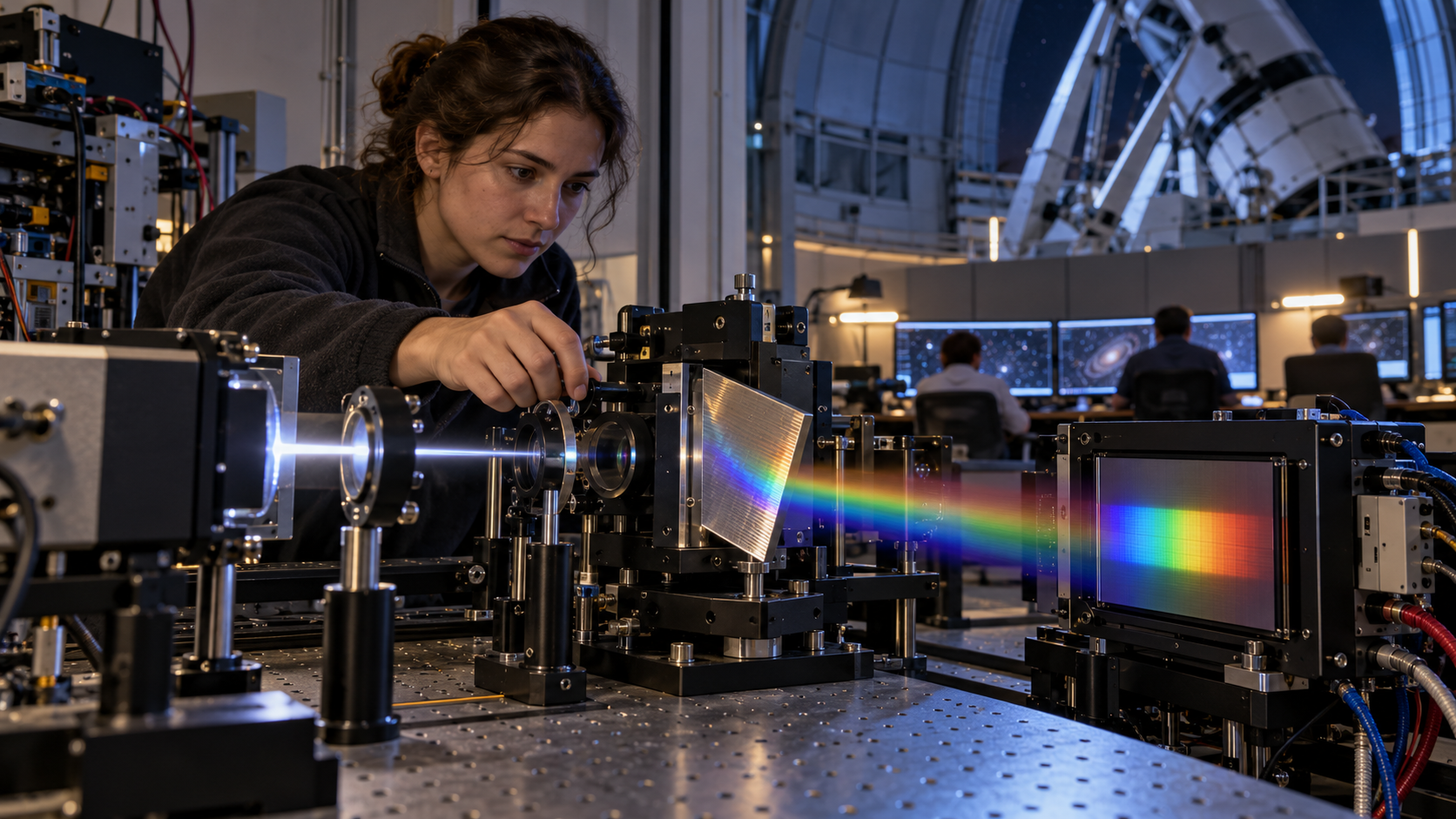
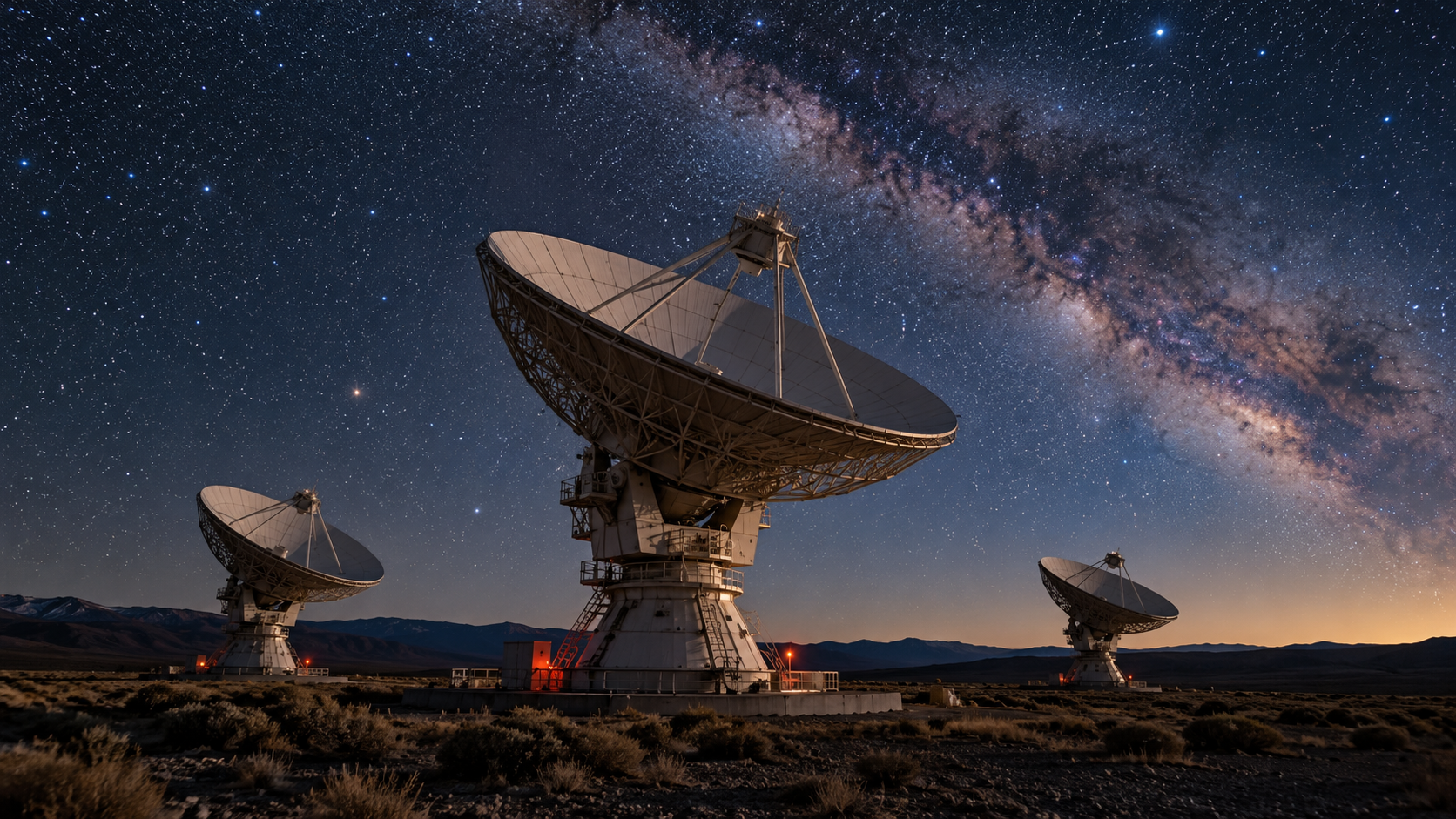
A spectrograph separates starlight by wavelength, revealing chemical fingerprints, temperature, motion, and other physical conditions.
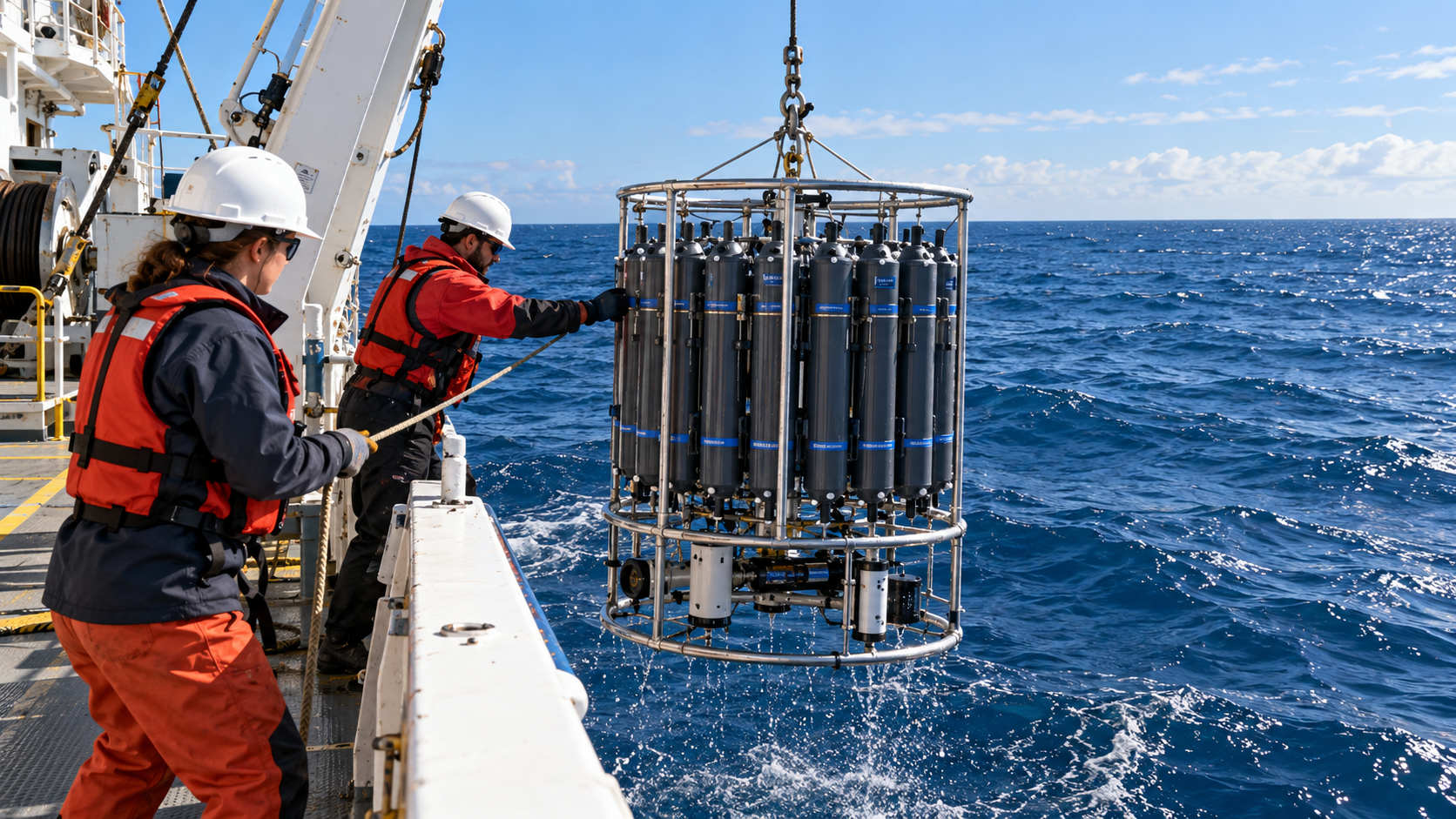
Winds, Earth’s rotation, and seawater density drive currents that store and move solar heat around the planet.
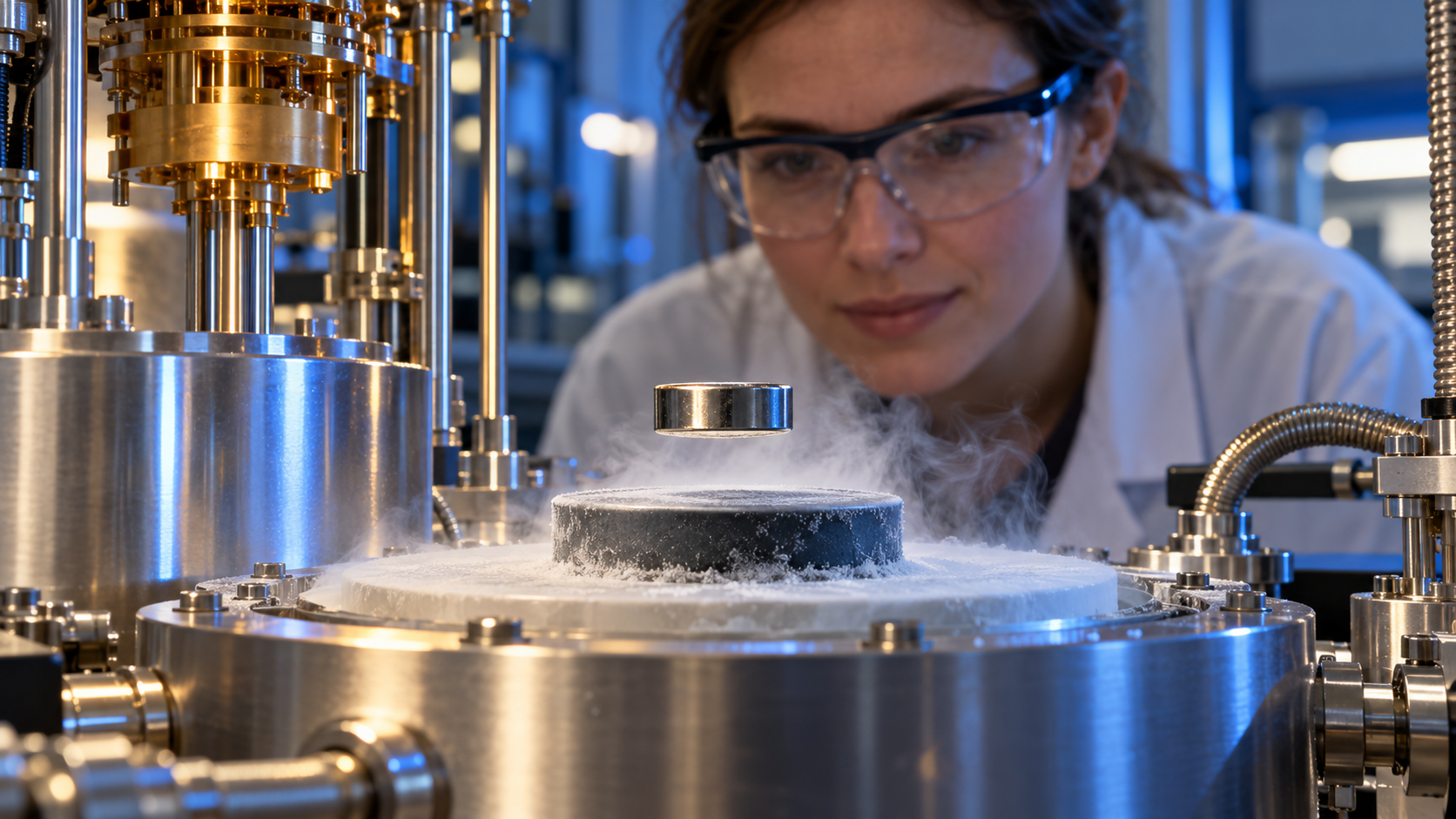
Below critical limits, superconductors enter a collective quantum state in which electrical current can persist without ordinary resistance.
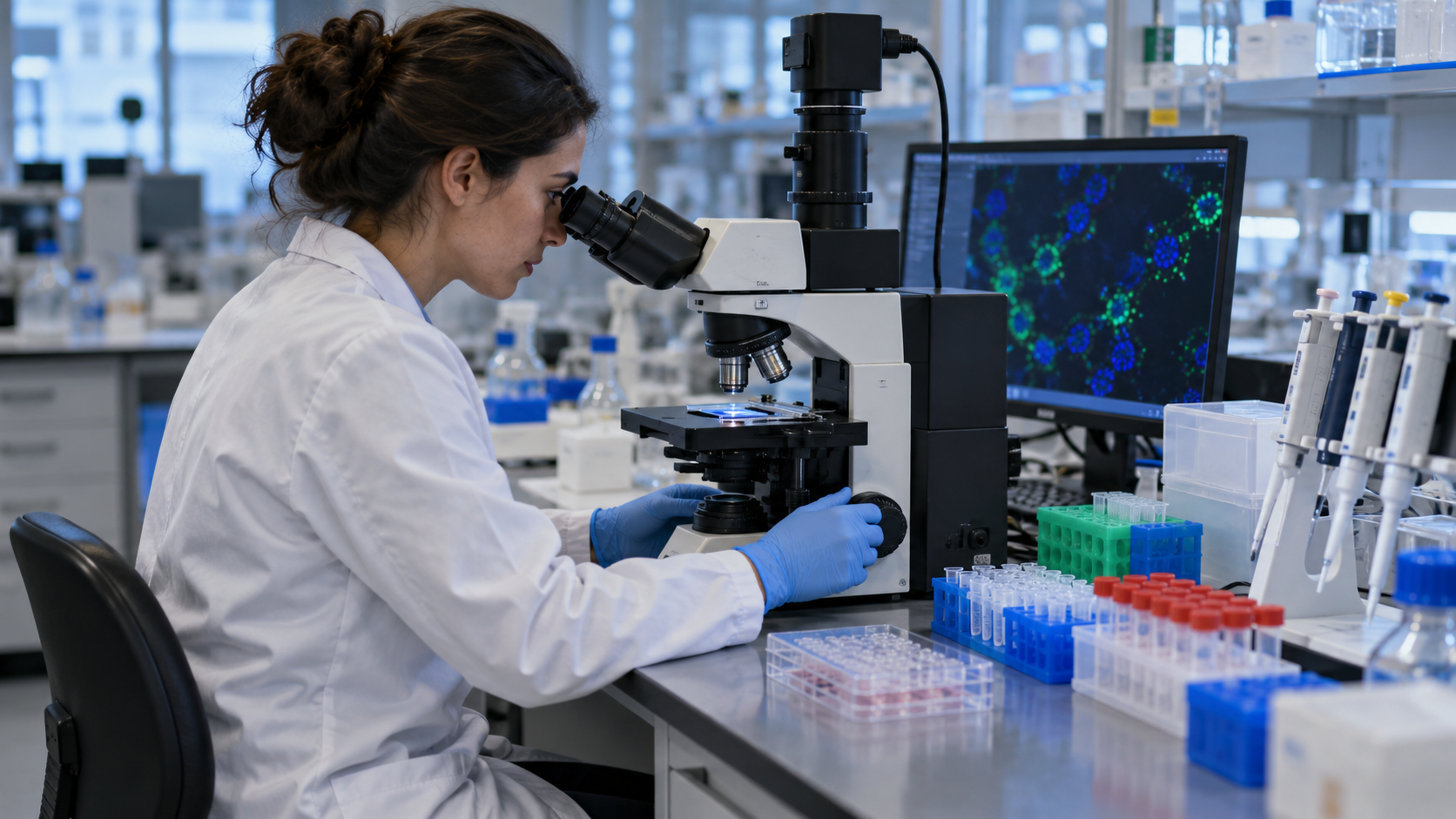
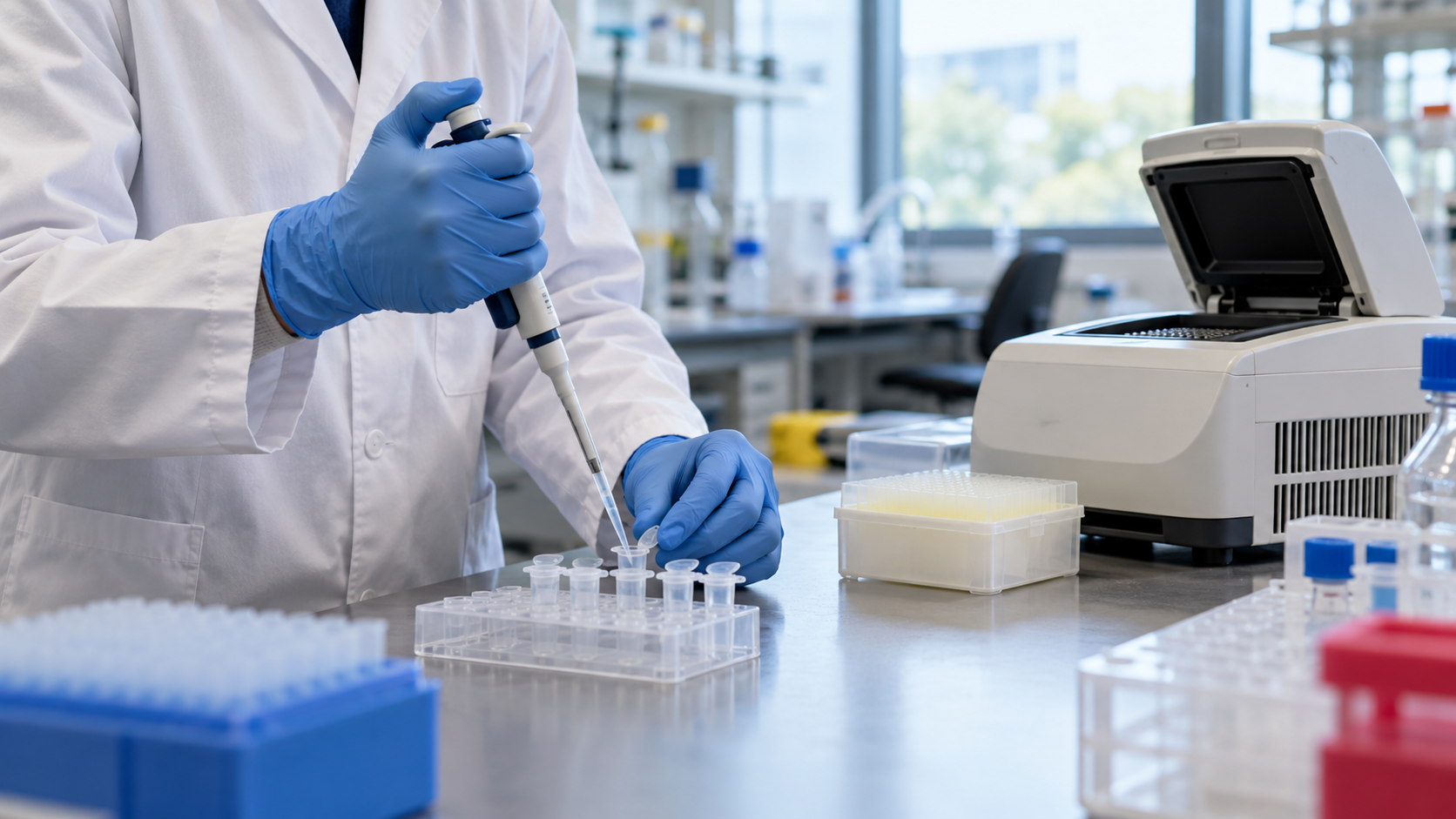
Cells copy DNA by separating the double helix and using each old strand as a template for a new complementary strand.
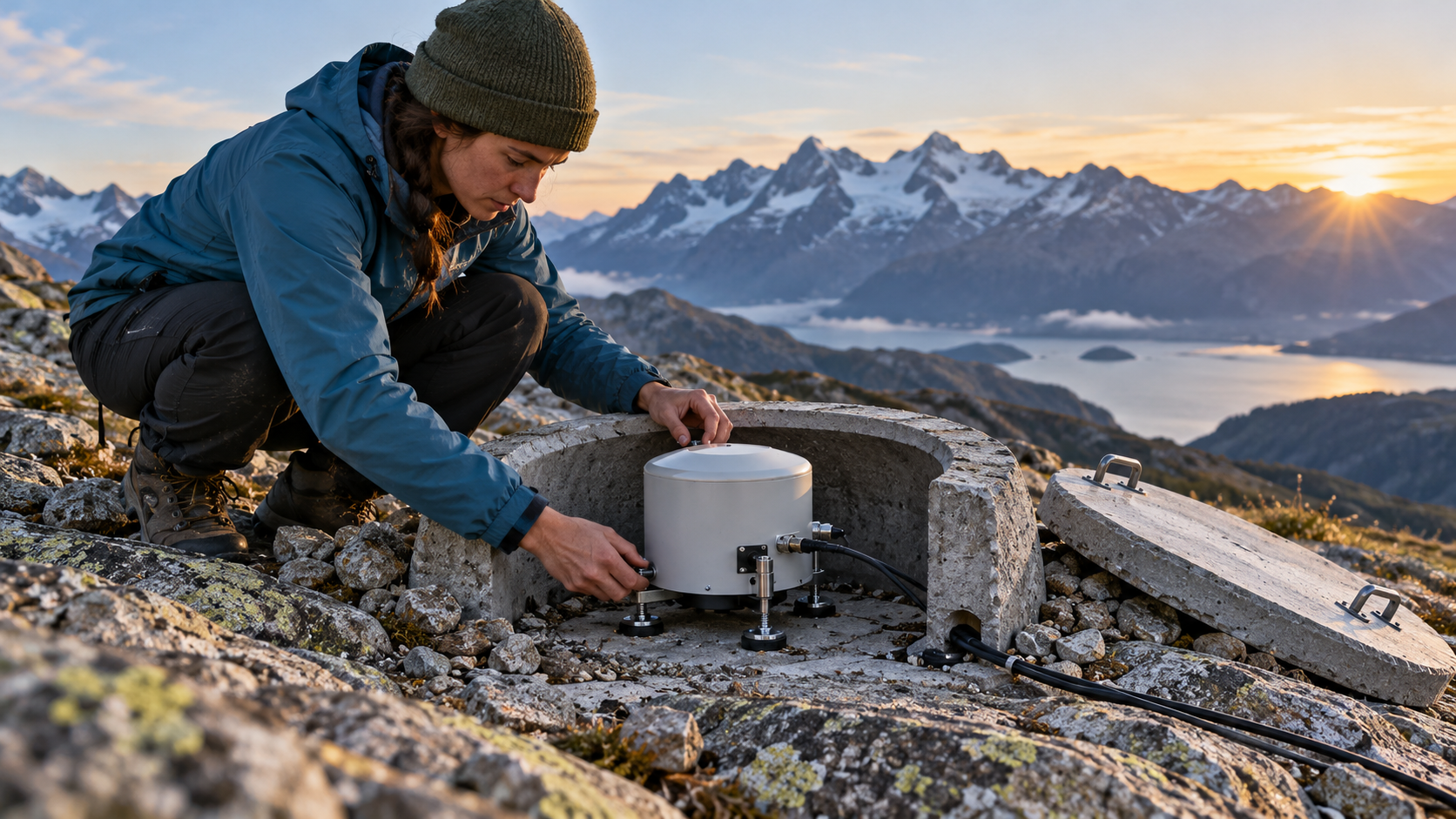
A fault rupture releases stored elastic strain, launching body and surface waves that carry energy through and around Earth.
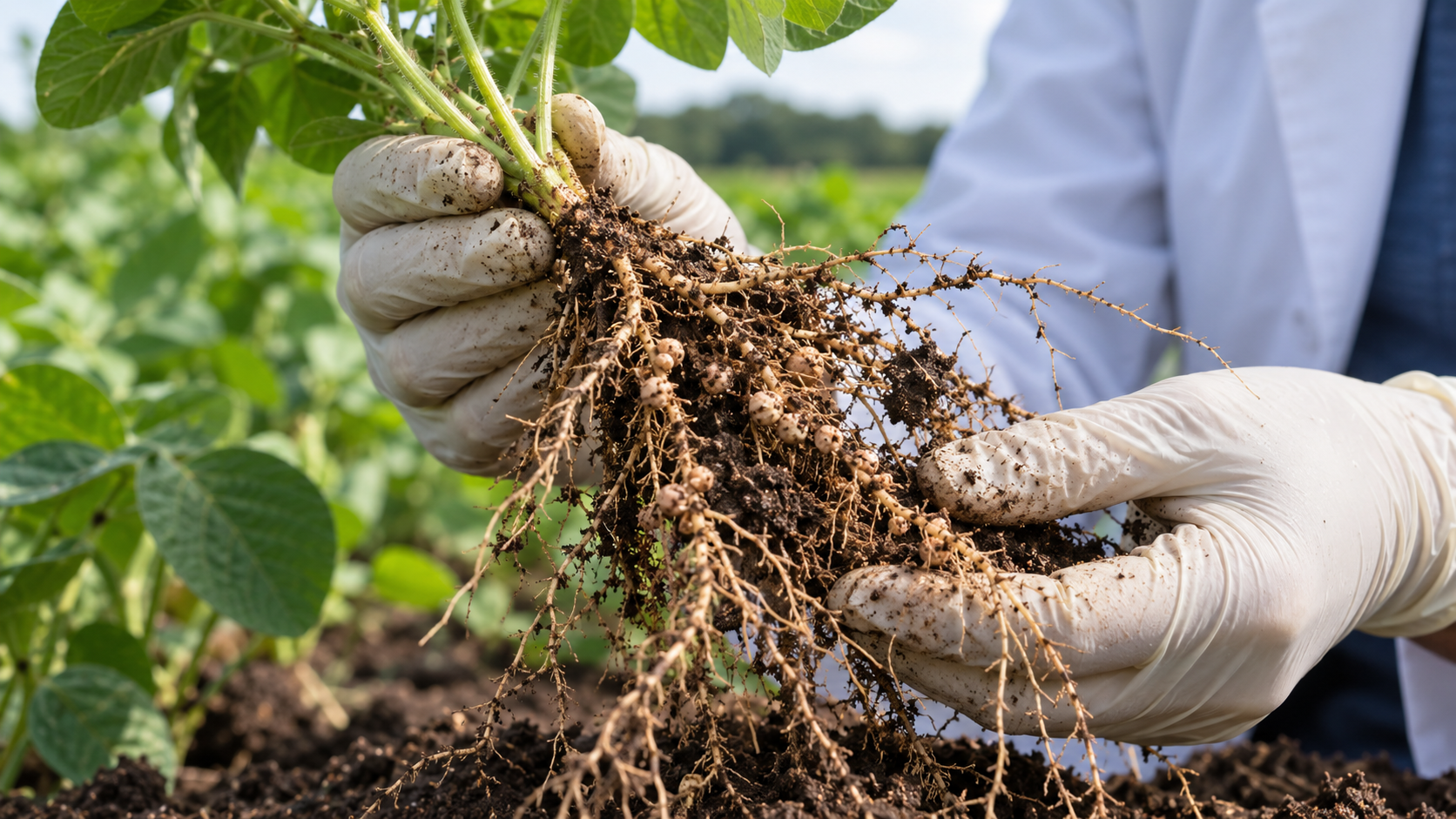
Specialized microbes use the nitrogenase enzyme to convert atmospheric nitrogen into ammonia that plants can build into proteins and DNA.
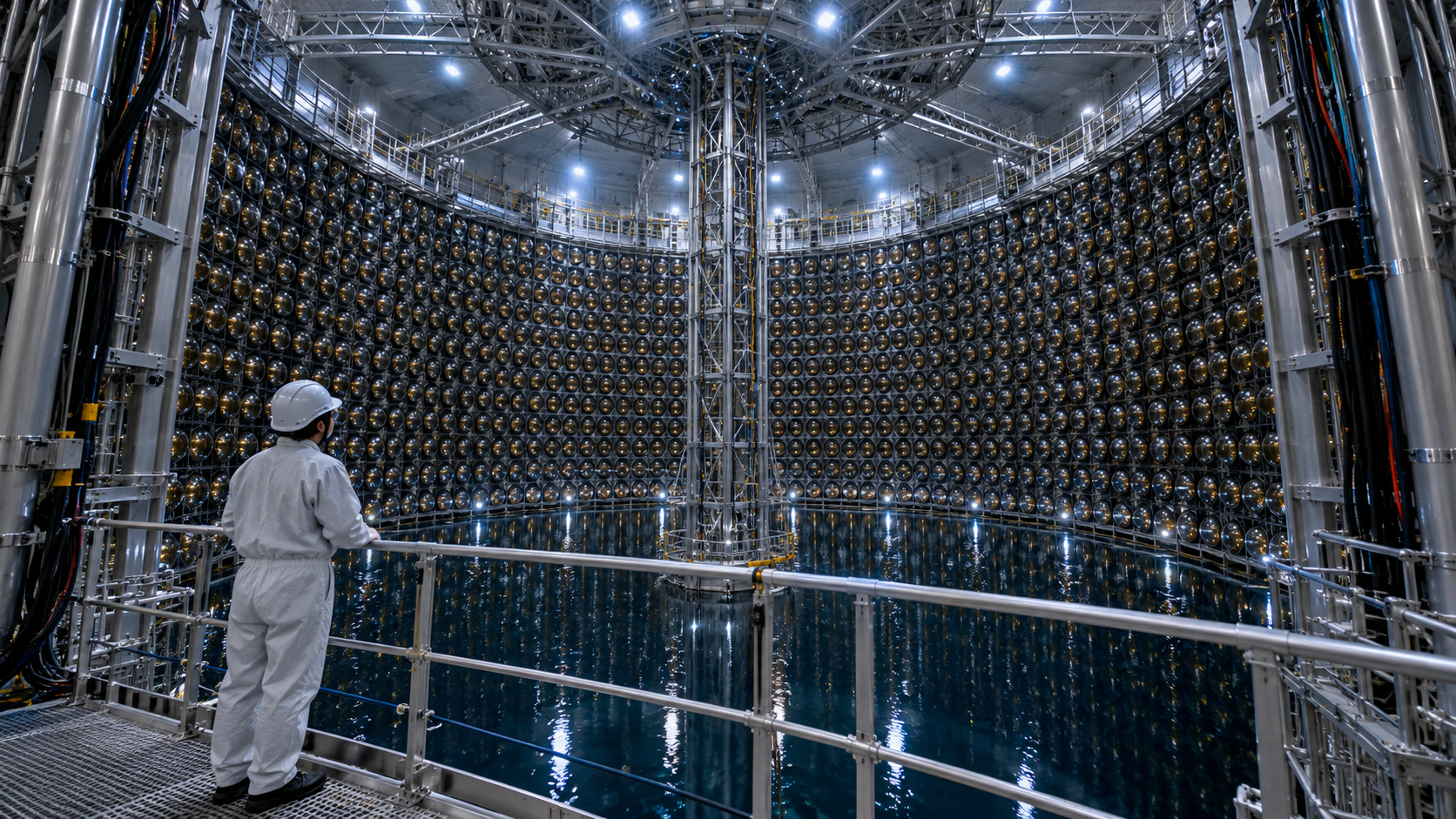
Neutrinos stream through Earth almost untouched because they carry no electric charge and interact mainly through the weak nuclear force.
CRISPR-Cas9 uses a guide RNA to direct a DNA-cutting protein to a chosen sequence, after which cellular repair processes create the edit.
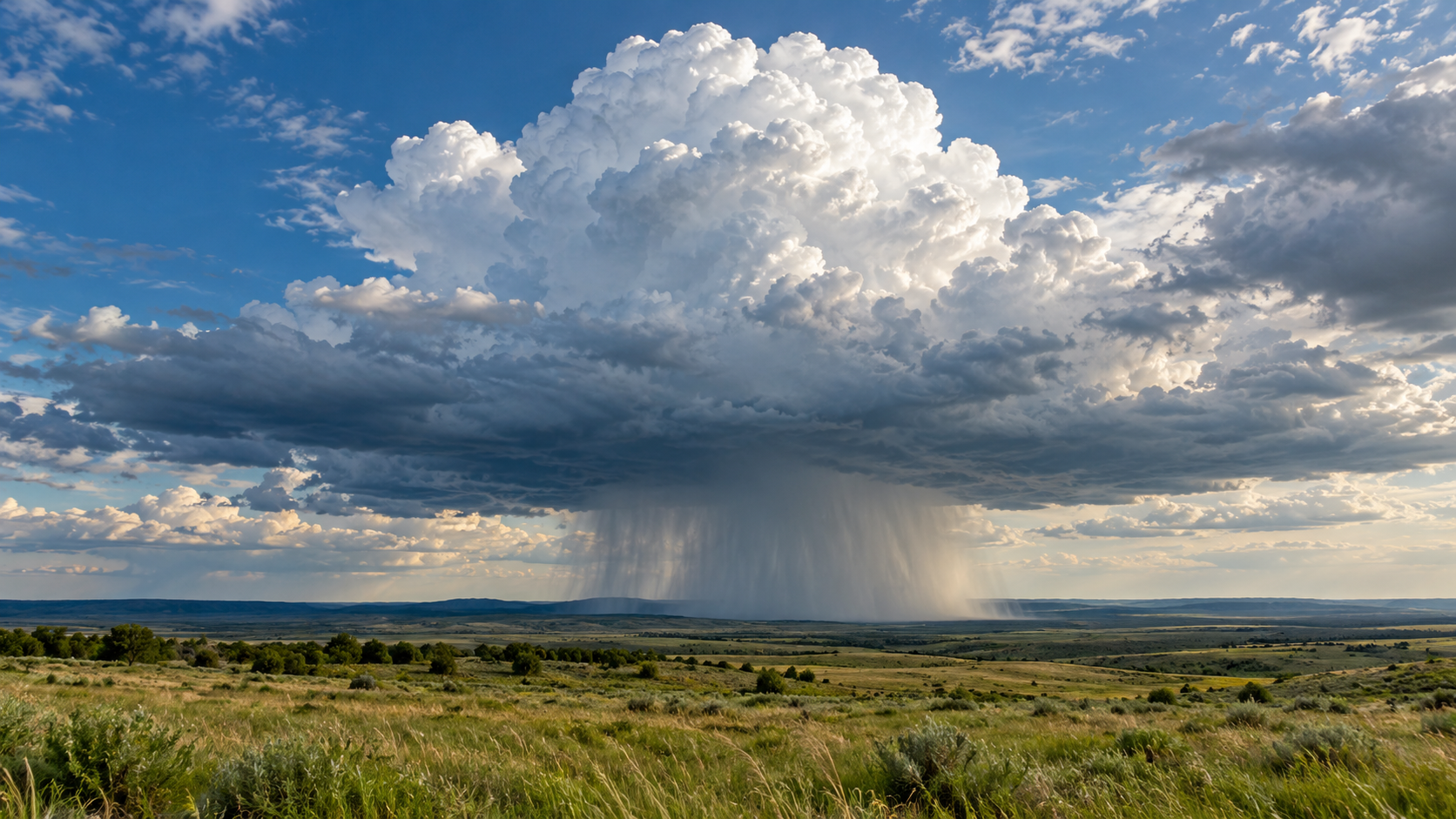
Clouds form when moist air cools to saturation and water condenses or freezes on tiny particles; precipitation begins after droplets or ice grow large enough to fall.
A black hole concentrates enough mass to curve spacetime so strongly that an event horizon forms, while nearby matter and light reveal the otherwise dark object.
CRISPR uses a designed guide RNA to bring a Cas enzyme to a matching DNA target, where a cut or chemical change can be converted into a genome edit.