How Photosynthesis Converts Light Into Chemical Energy
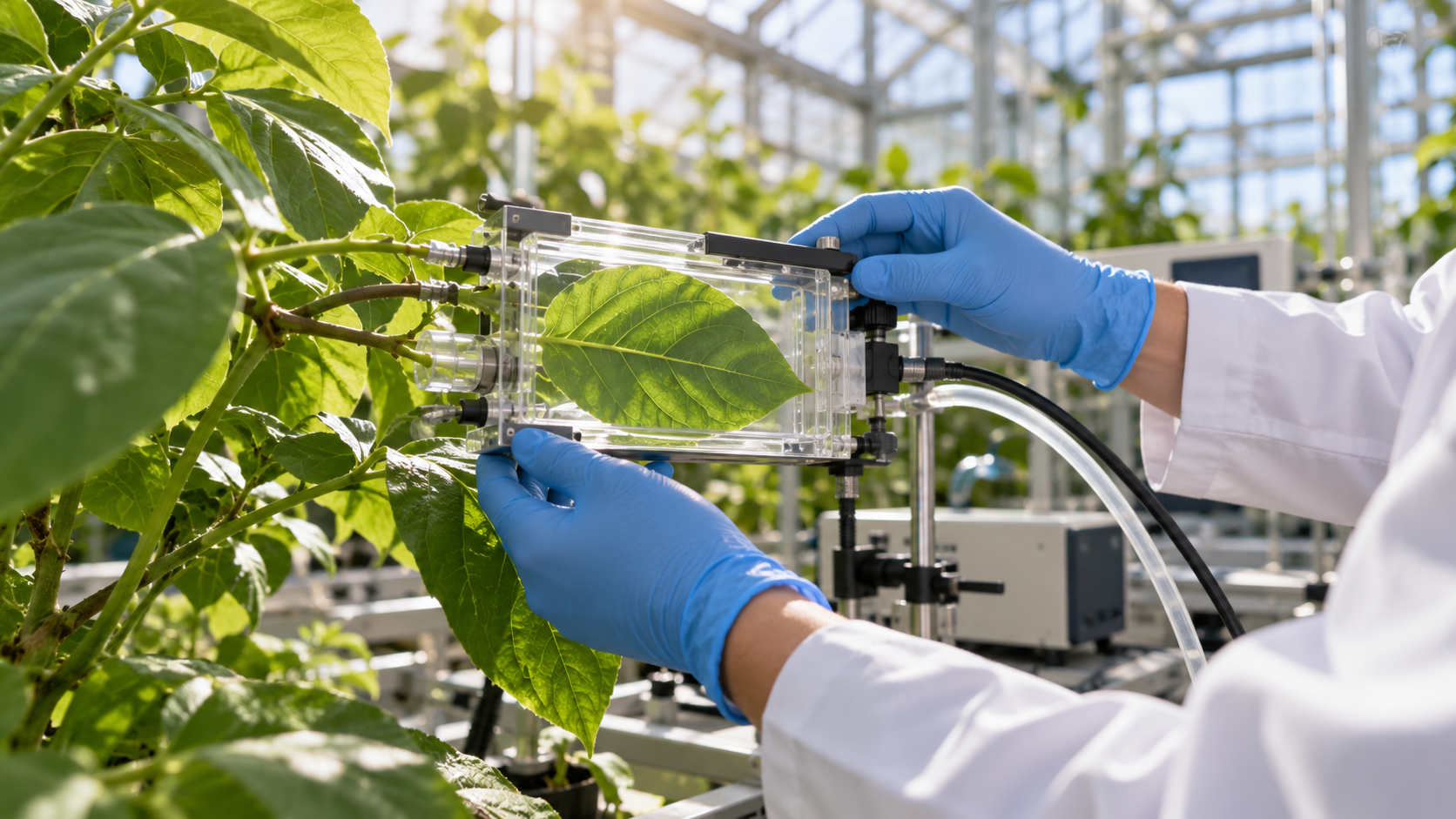
Photosynthesis captures photon energy in chloroplasts, uses it to make ATP and NADPH, and spends those chemical resources to build carbon-rich molecules.

Don't Just Read it – Explore It

Ice-T says his reduced screen time on this season of “Law & Order: SVU” comes down to budgeting and cast…

Breaking Rust is a computer-generated country artist whose song “Walk My Walk” just hit No. 1 on Billboard’s Country Digital…

Loading… Key Takeaways The Top 10 cutest cat breeds blend striking physical features with warm, affectionate personalities that appeal to…

Elon Musk says artificial intelligence and advanced robotics could make traditional work optional within the next 10–20 years. Speaking at…

The founder of Yara AI, a mental-health chatbot, has shut the app down after concluding it posed unacceptable risks to…

Black Friday isn’t the blockbuster shopping event it once was. Retailers have stretched deals across weeks, foot traffic is flat,…

Mick Jagger, now 82, continues to perform with remarkable stamina thanks to a highly disciplined lifestyle centered on daily movement,…
Photosynthesis captures photon energy in chloroplasts, uses it to make ATP and NADPH, and spends those chemical resources to build carbon-rich molecules.
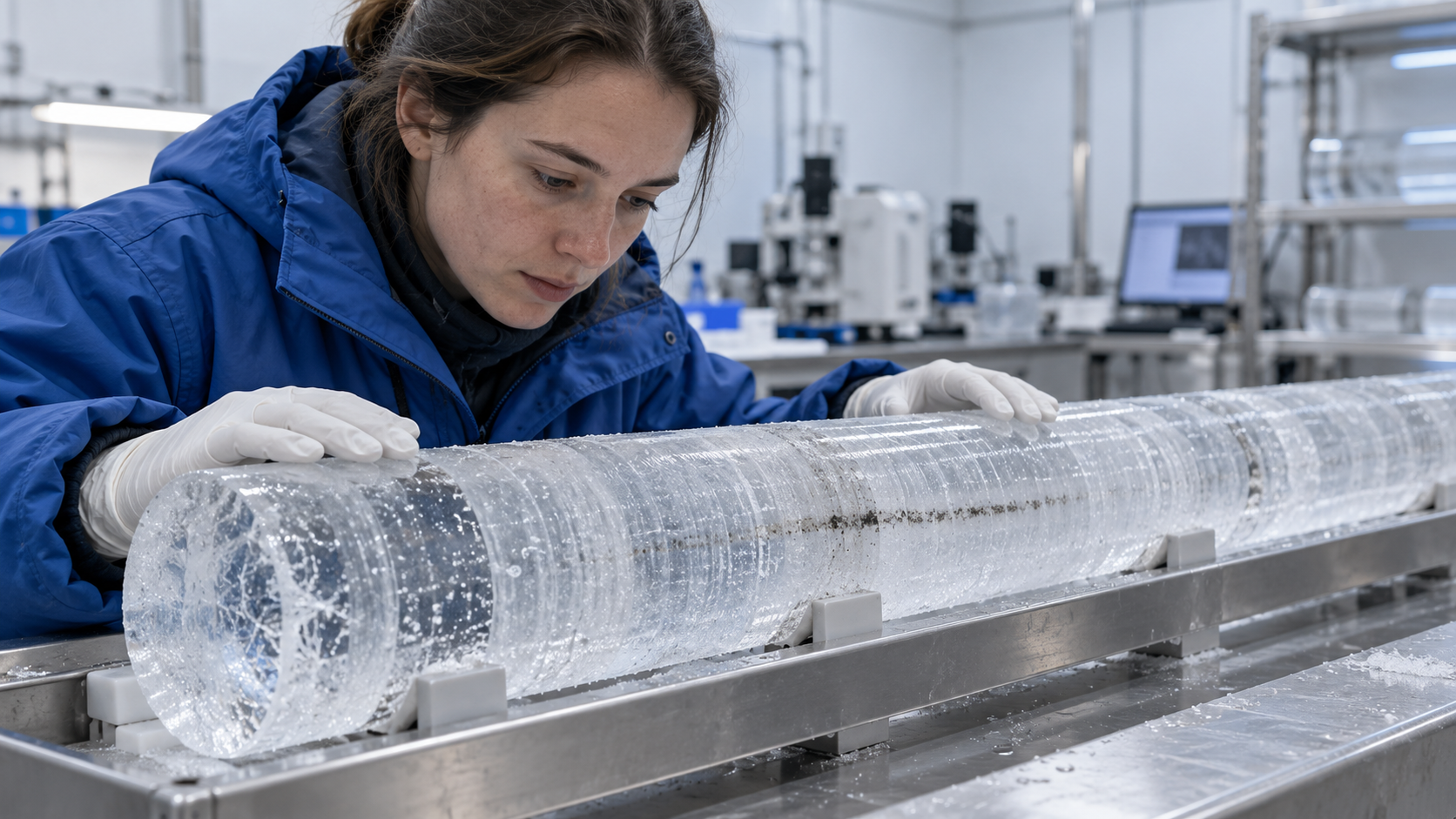
Ice cores preserve layered snowfall, ancient air bubbles, isotopes, dust, and ash that scientists use to reconstruct Earth’s past climate.
Reef-building coral polyps control chemistry beneath their tissues to deposit aragonite skeletons that accumulate into complex reef structures over time.
Stratospheric ozone absorbs nearly all solar UV-C and much of UV-B through a repeating cycle that converts oxygen and ozone while warming the upper atmosphere.
Enzymes accelerate reactions by binding reactants and stabilizing high-energy transition states, lowering the activation barrier without changing equilibrium.
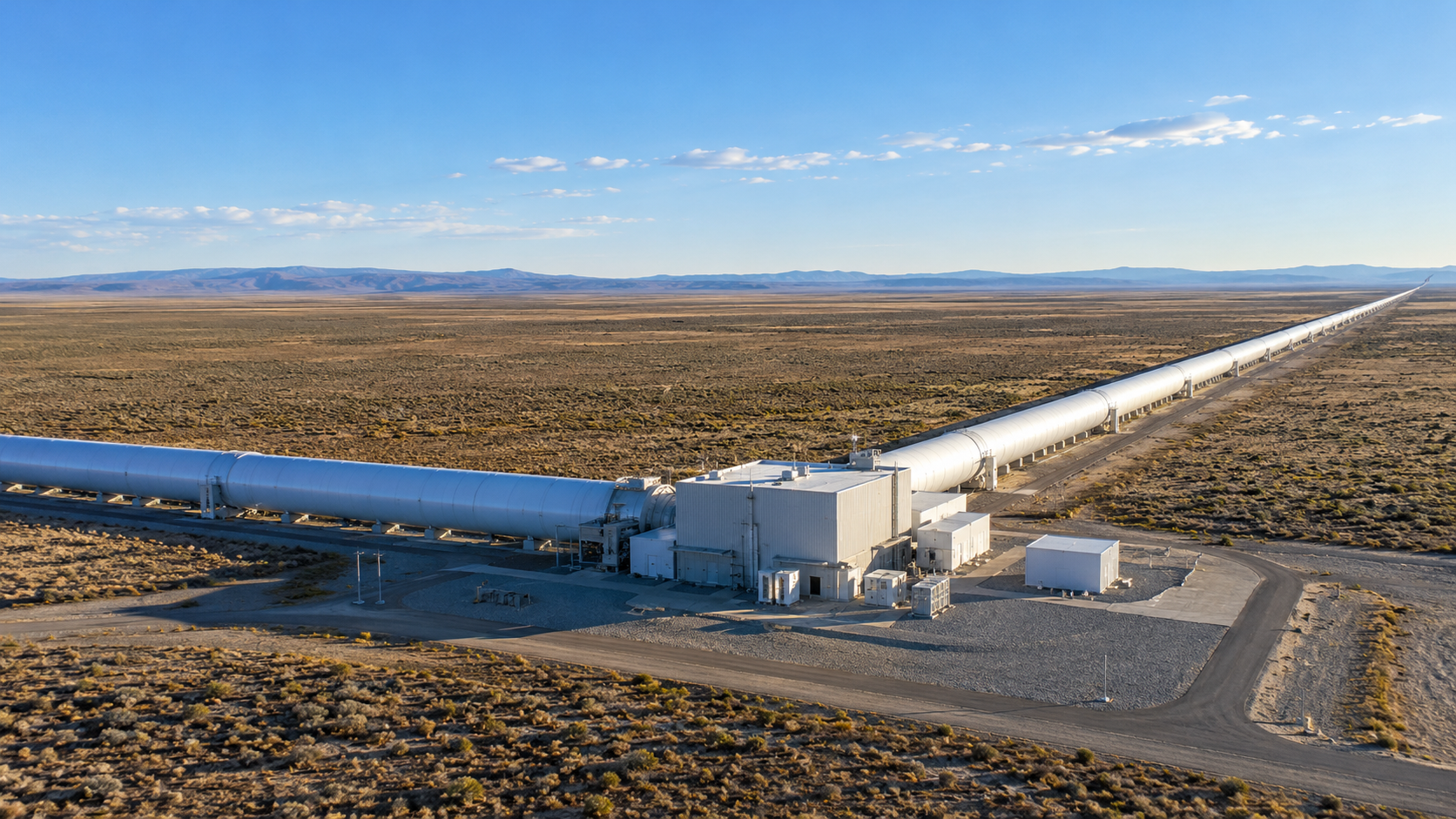
Laser interferometers detect gravitational waves by measuring extraordinarily small, patterned changes in the relative lengths of perpendicular arms.
Earth’s magnetic field creates a vast magnetosphere that redirects much of the solar wind while channeling some charged particles into space-weather systems.
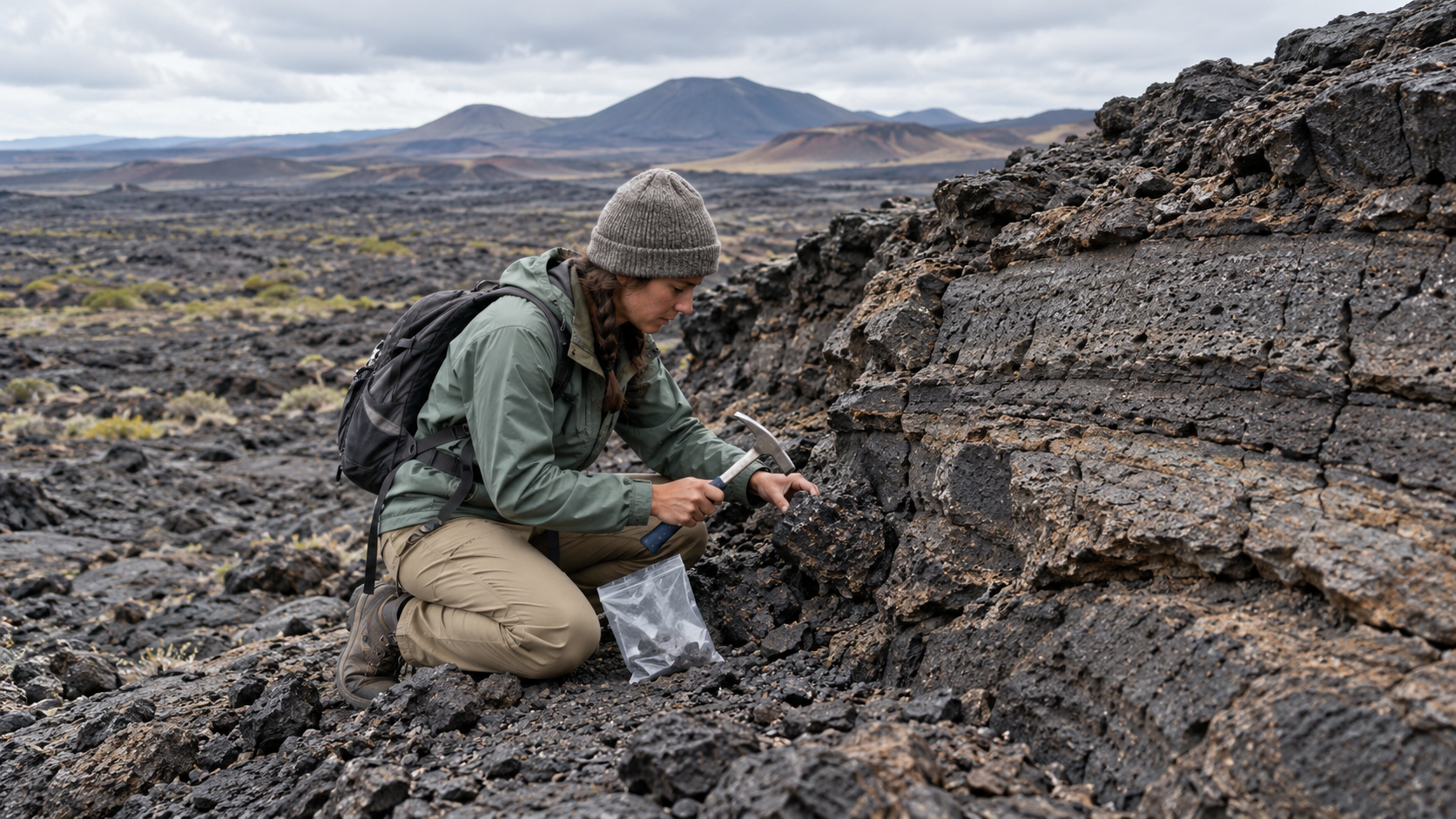
Radiometric dating measures parent and daughter isotopes in suitable minerals, using known decay rates to estimate when a geologic clock began.
Ocean tides are repeating changes in sea level driven mainly by differences in the Moon’s gravitational pull across Earth, with help from the Sun.
Scientific peer review asks relevant experts to critique a manuscript and advise an editor, but it cannot guarantee that every result is correct.
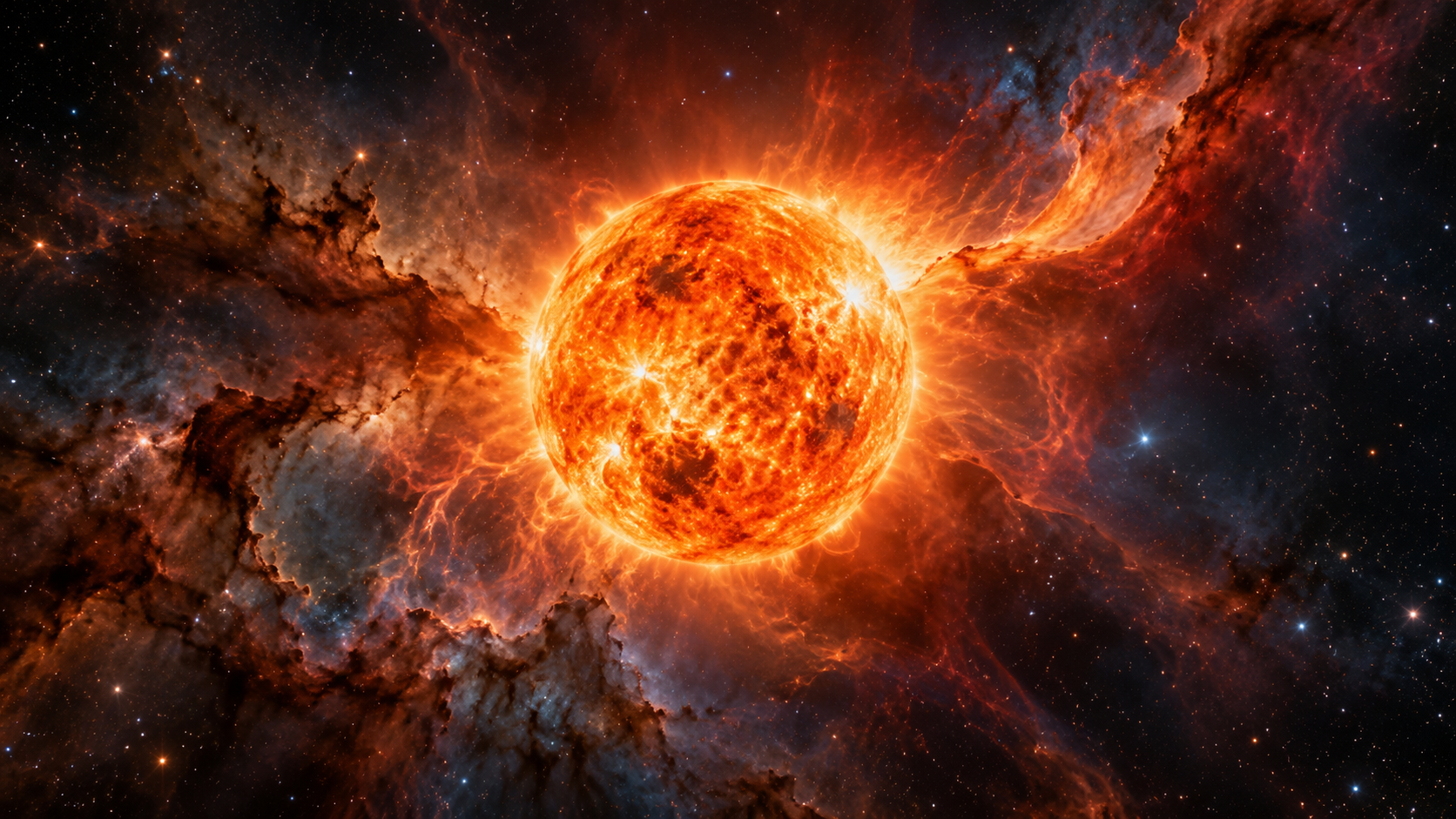
Stars build new atomic nuclei through fusion and neutron-capture reactions, then spread many of those elements through winds, explosions, and mergers.
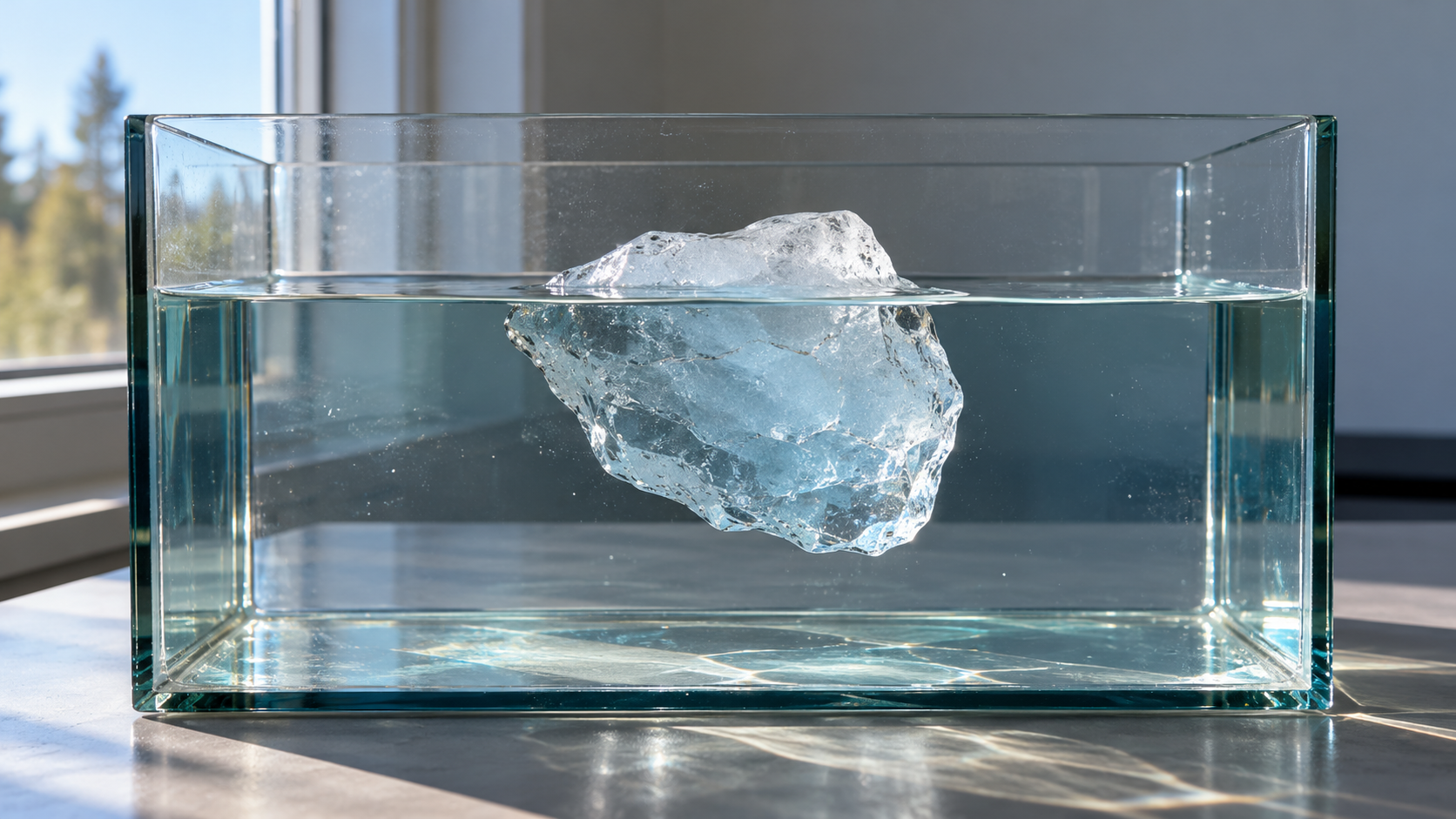
Ice floats because freezing arranges water molecules into an open crystal lattice that occupies more space and lowers the solid’s density.