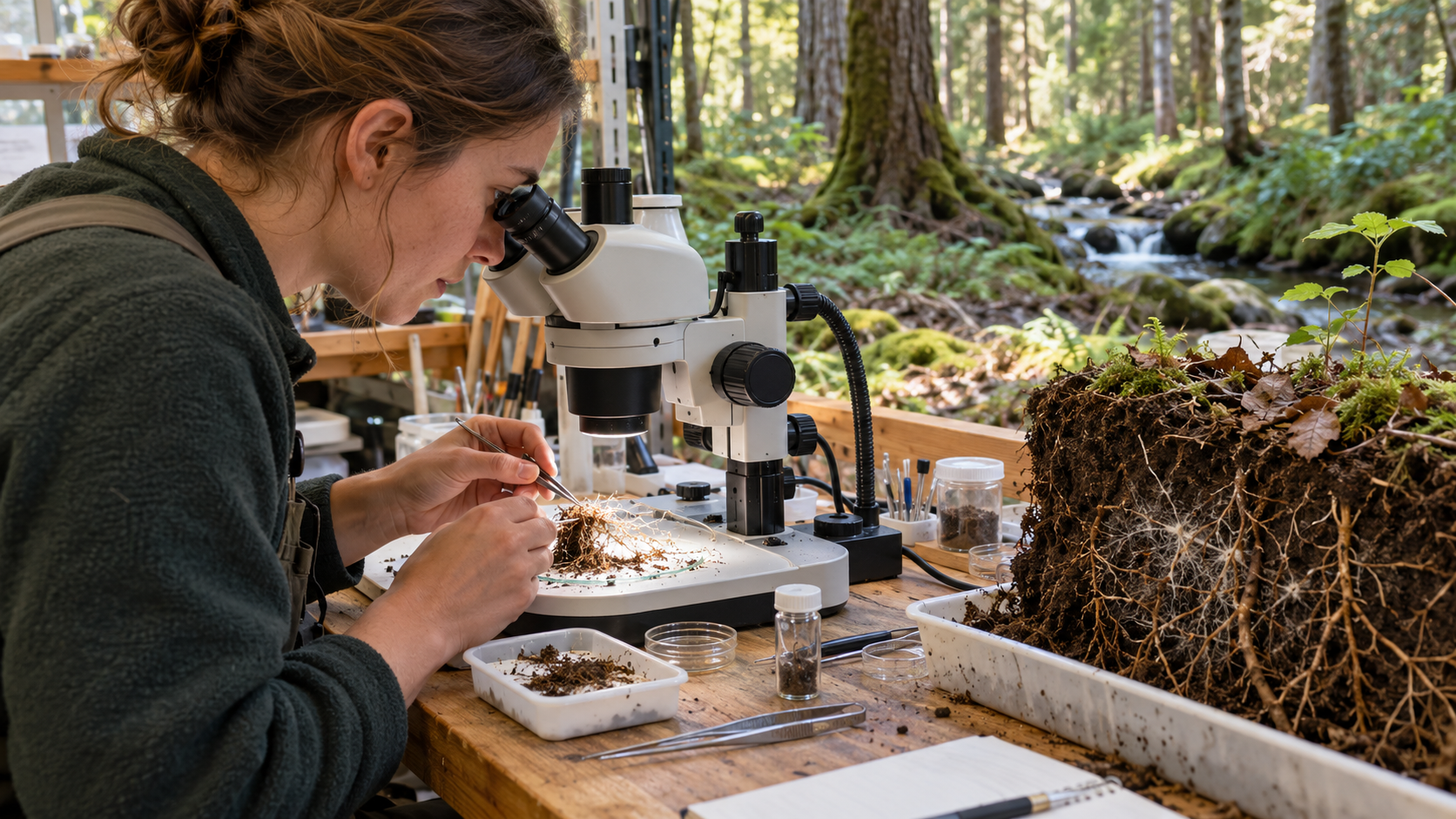
How Fungi Build Mycorrhizal Networks
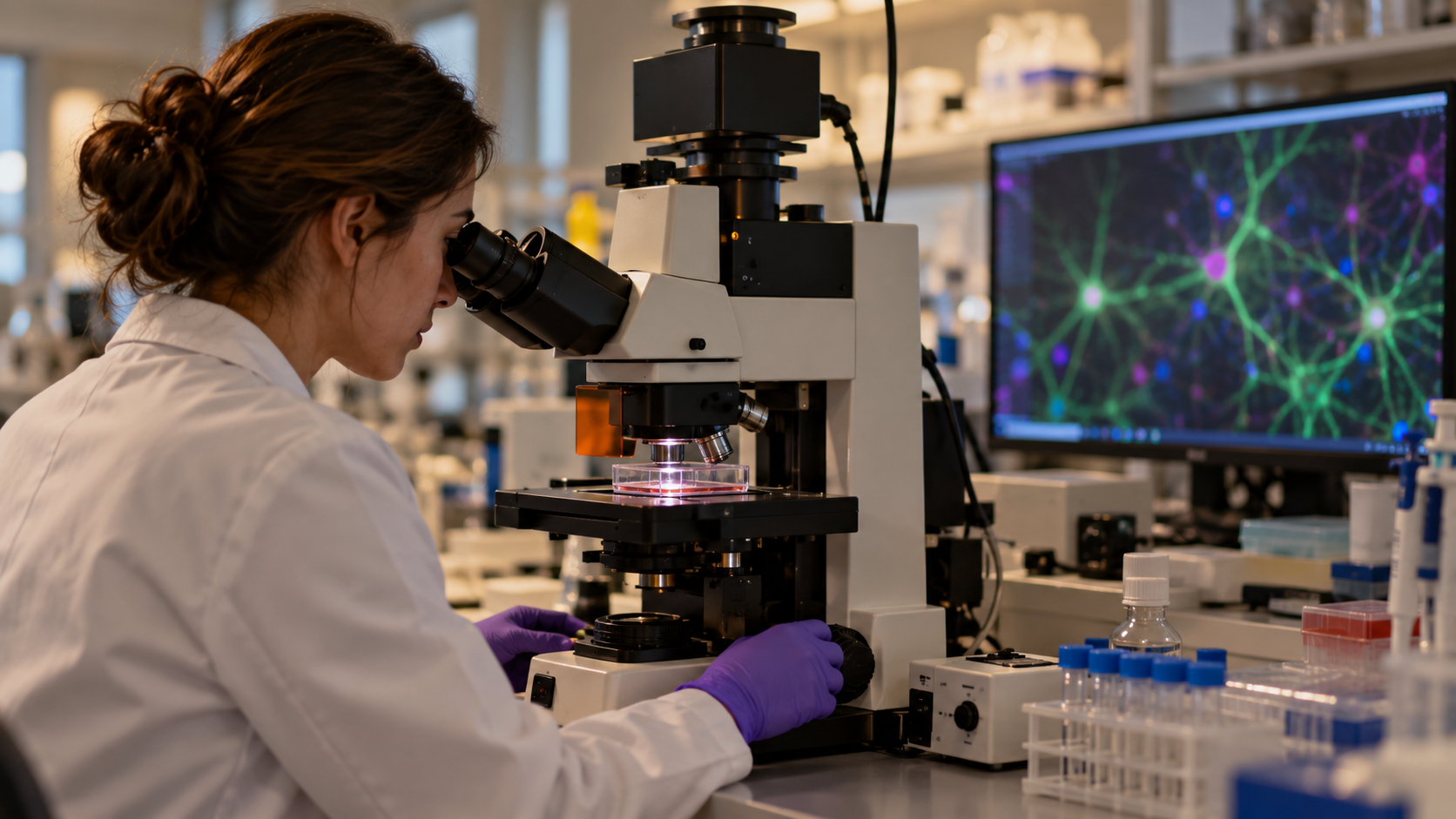
Mycorrhizal fungi colonize plant roots and extend fine hyphae through soil, trading nutrients and water for carbon made by photosynthesis.

Don't Just Read it – Explore It

Ice-T says his reduced screen time on this season of “Law & Order: SVU” comes down to budgeting and cast…

Breaking Rust is a computer-generated country artist whose song “Walk My Walk” just hit No. 1 on Billboard’s Country Digital…

Loading… Key Takeaways The Top 10 cutest cat breeds blend striking physical features with warm, affectionate personalities that appeal to…

Elon Musk says artificial intelligence and advanced robotics could make traditional work optional within the next 10–20 years. Speaking at…

The founder of Yara AI, a mental-health chatbot, has shut the app down after concluding it posed unacceptable risks to…

Black Friday isn’t the blockbuster shopping event it once was. Retailers have stretched deals across weeks, foot traffic is flat,…

Mick Jagger, now 82, continues to perform with remarkable stamina thanks to a highly disciplined lifestyle centered on daily movement,…
Mycorrhizal fungi colonize plant roots and extend fine hyphae through soil, trading nutrients and water for carbon made by photosynthesis.
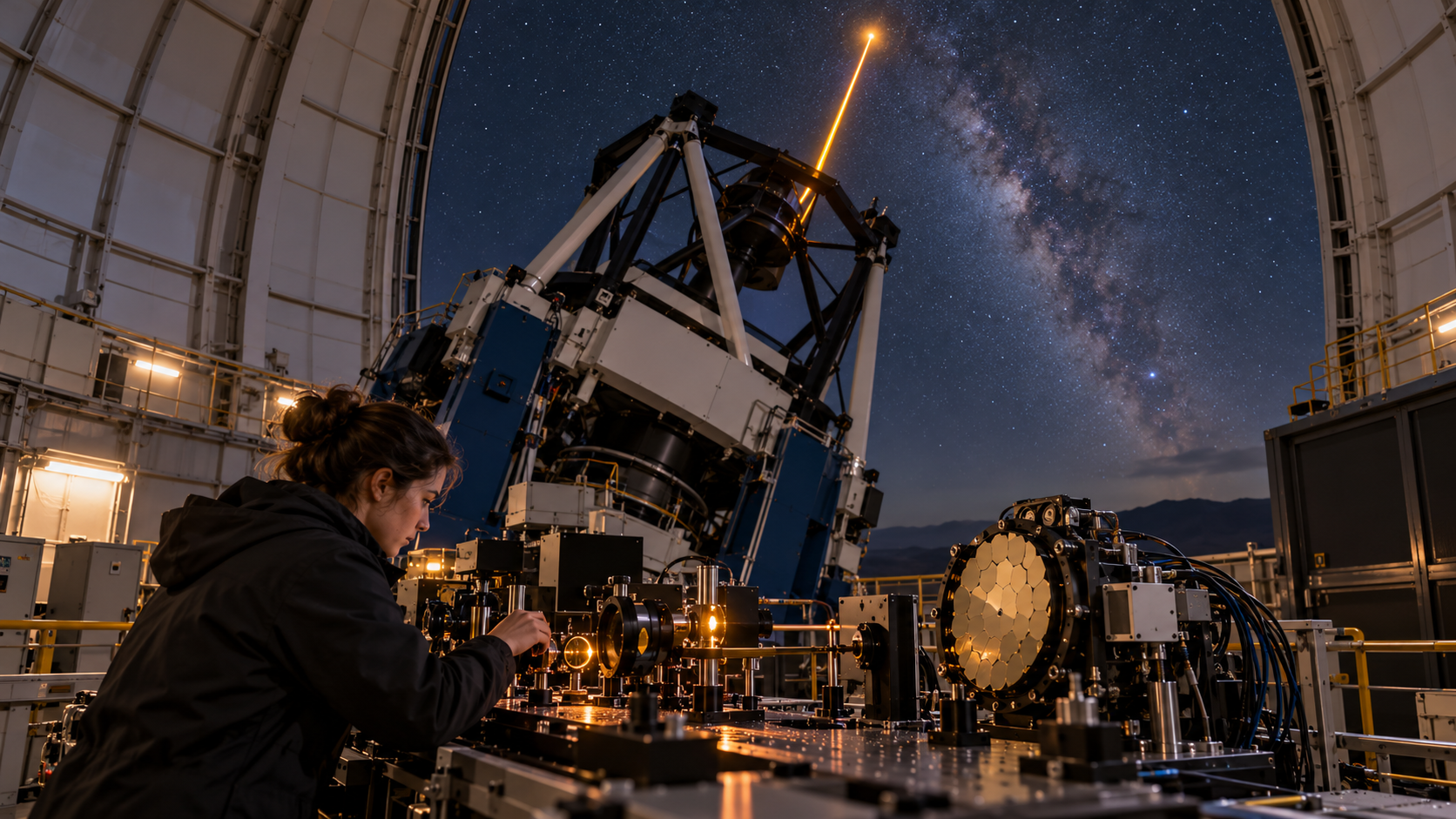
Adaptive optics measures atmospheric distortion in real time and reshapes a telescope mirror to sharpen images of astronomical objects.
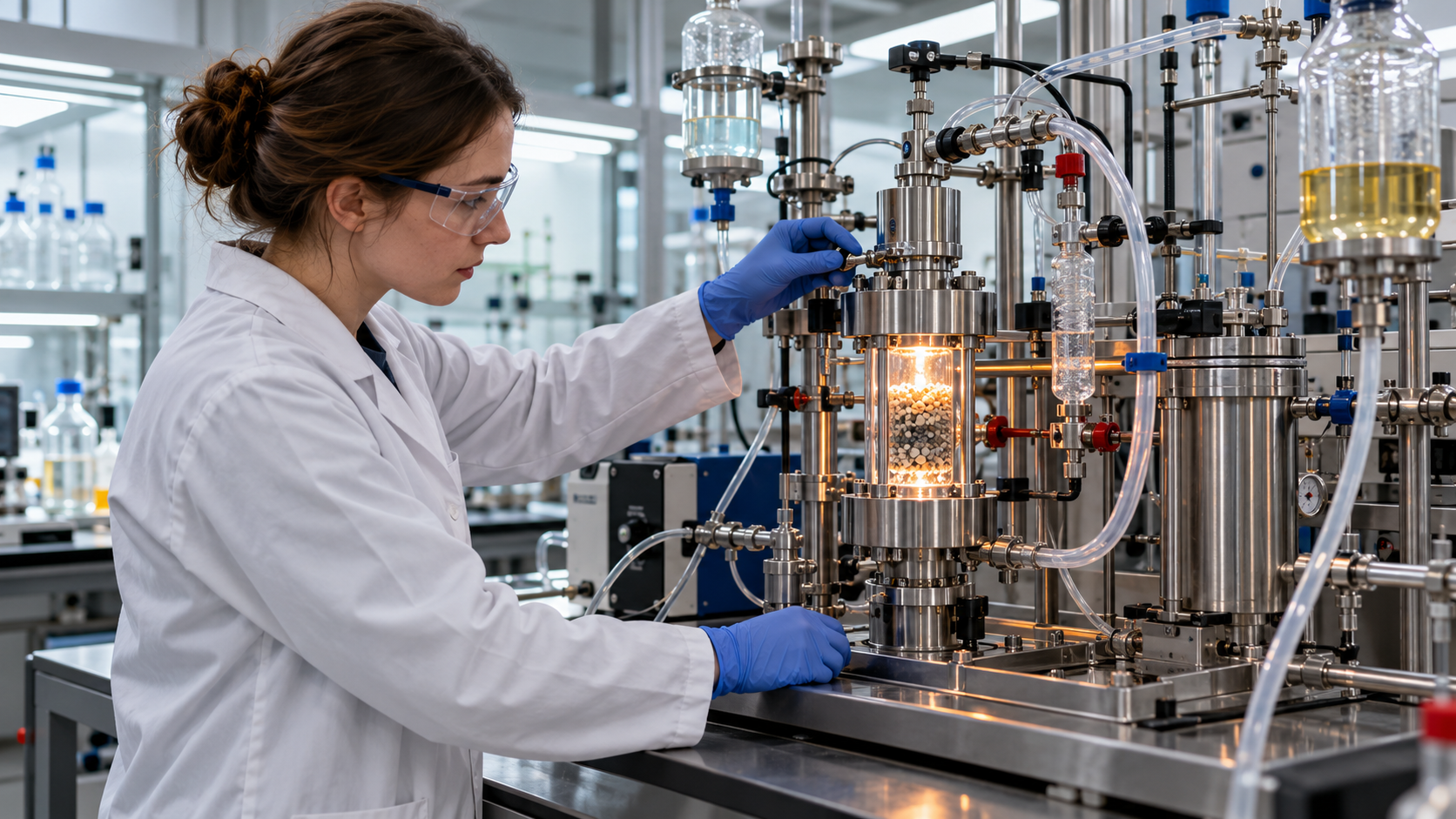
Catalysts speed reactions by providing a different molecular pathway with a lower activation-energy barrier, while being regenerated overall.
Moving glacier ice widens and deepens valleys by plucking fractured rock, grinding bedrock with debris, and transporting the eroded material away.
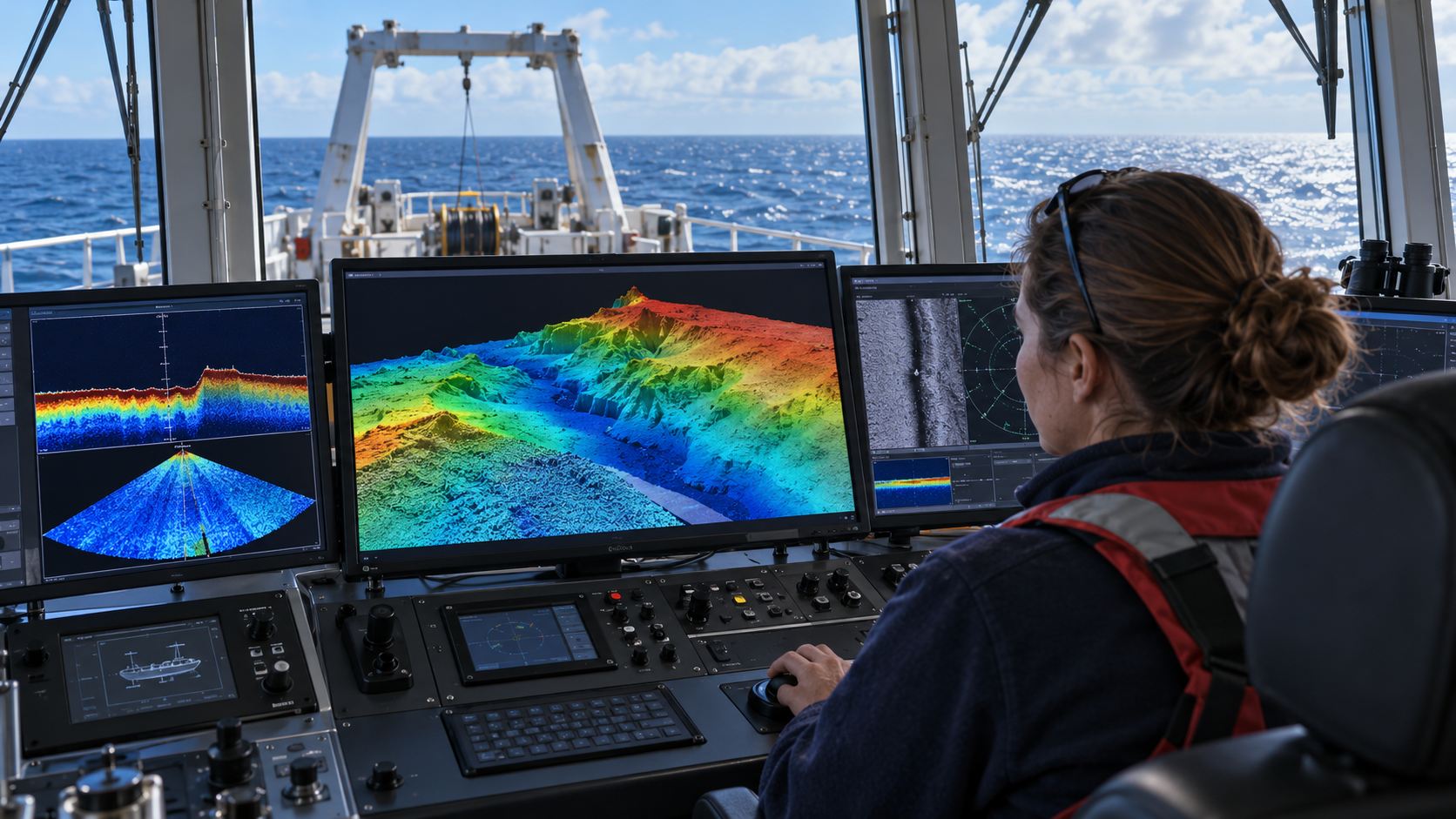
Sonar maps the seafloor by timing sound pulses that travel through water, reflect from the bottom, and return to a ship or underwater vehicle.
Vaccines expose the immune system to a safe form or component of a pathogen so memory cells can respond faster during a future encounter.
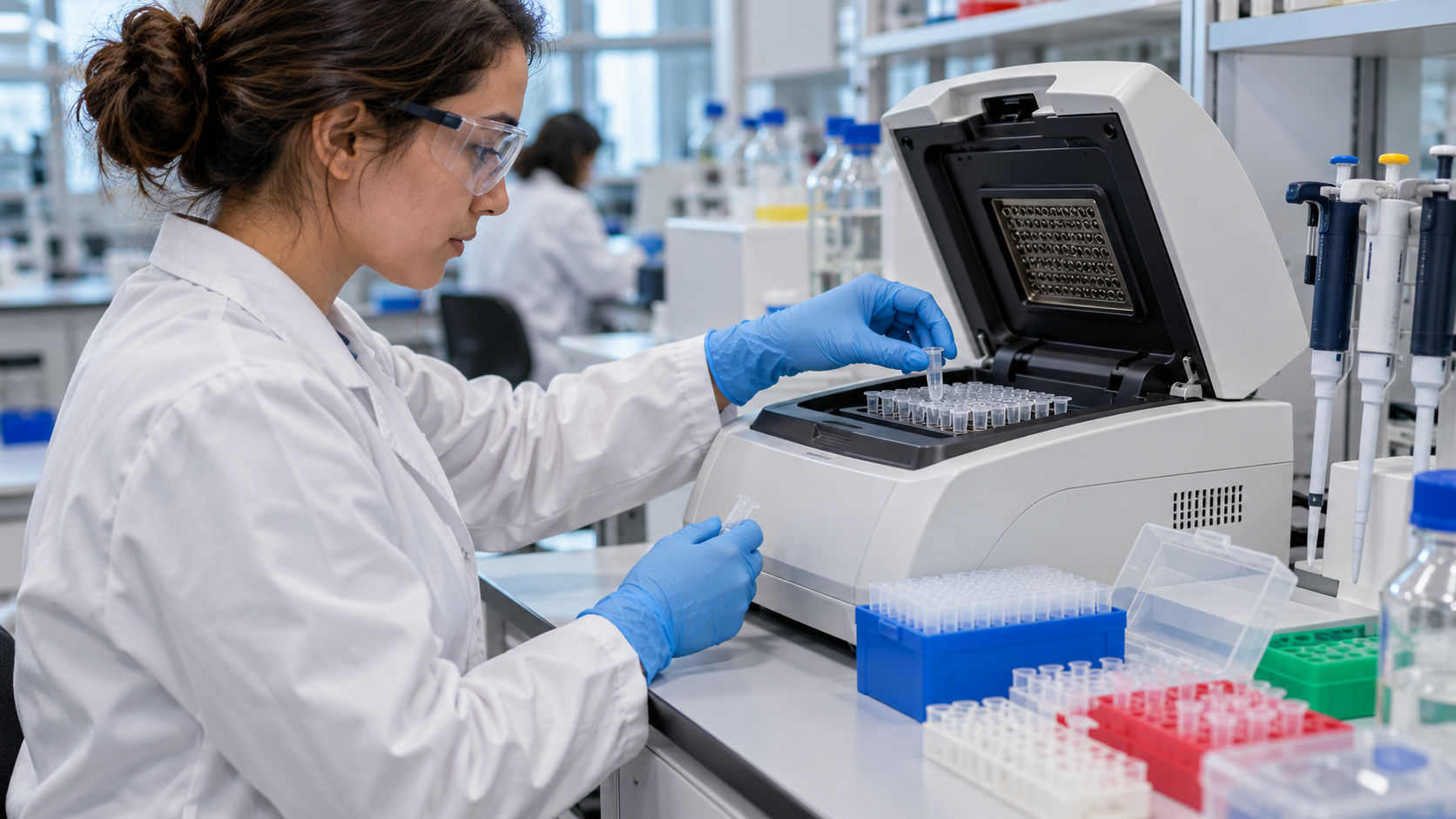
PCR repeatedly heats and cools a DNA sample so selected sequences are separated, copied, and multiplied into millions of detectable molecules.
Auroras appear when charged particles guided by Earth’s magnetic field collide with gases high in the atmosphere and make them glow.
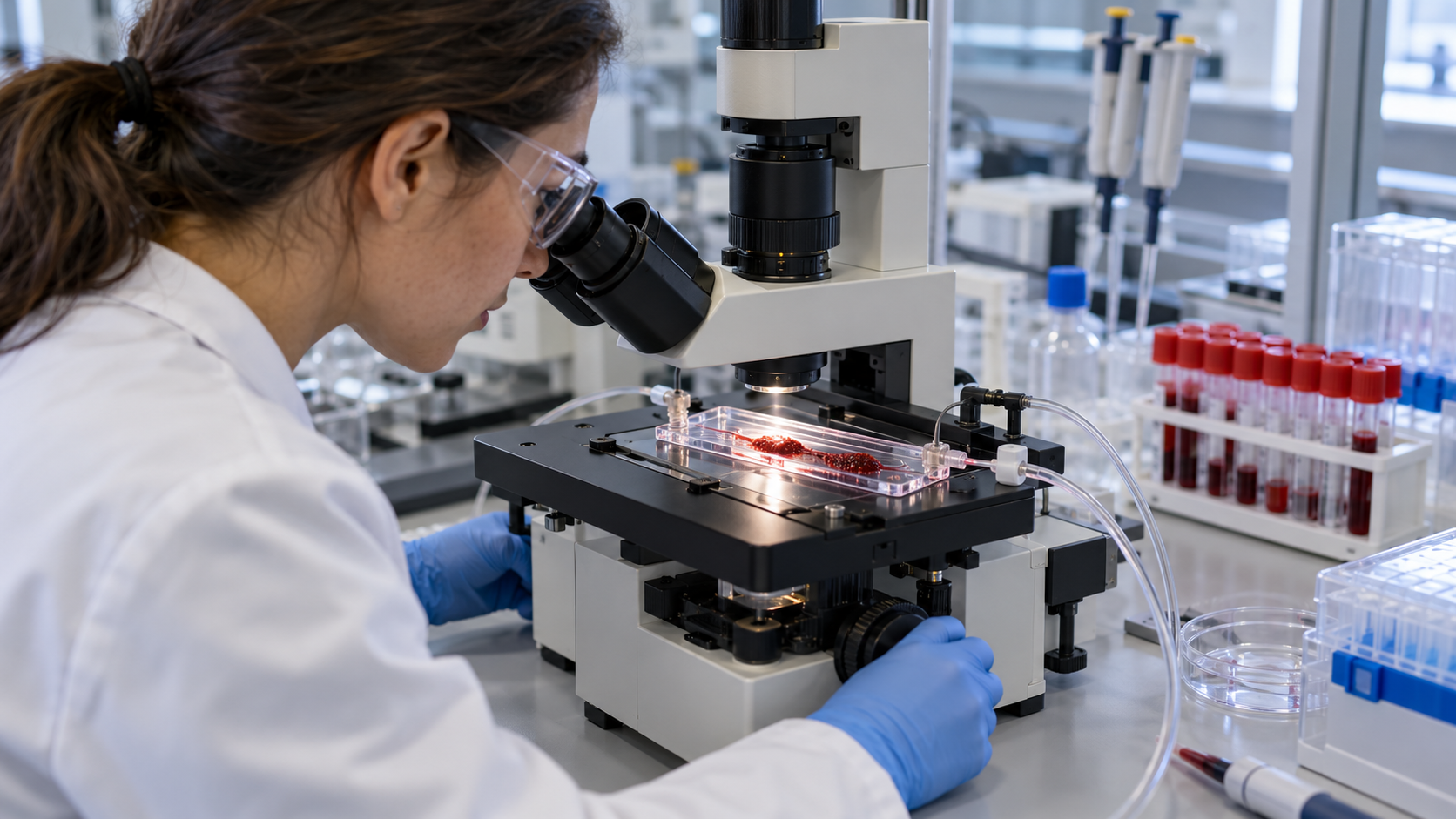
Platelets detect damaged blood vessels, stick to the injured surface, recruit more platelets, and help build a fibrin-reinforced clot.
Photovoltaic cells absorb photons, create mobile charges in a semiconductor, and use an internal electric field to drive current.
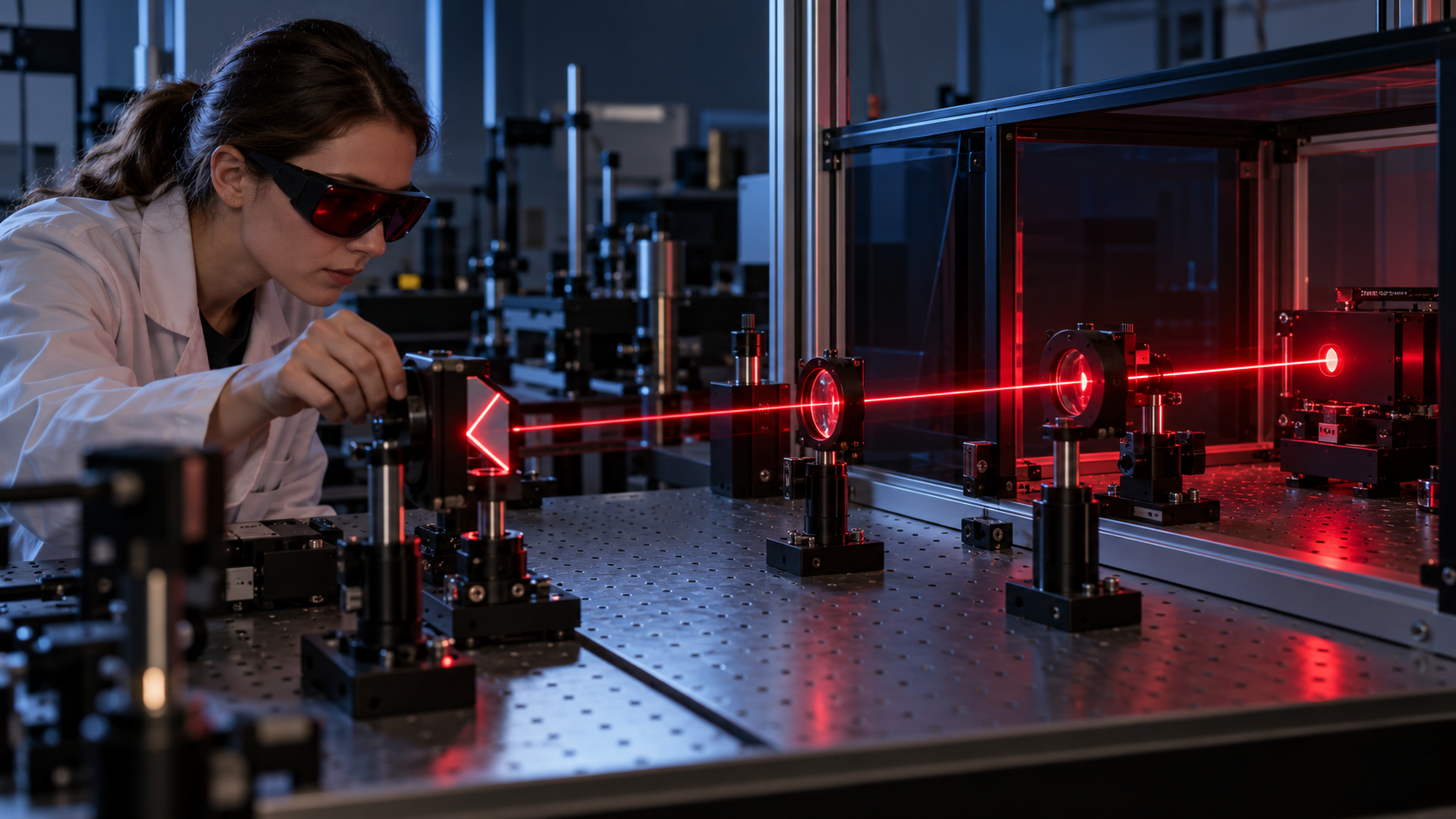
Lasers pump energy into a gain medium, amplify light by stimulated emission, and select an organized beam inside an optical cavity.
Memories emerge as distributed brain networks change their connections, stabilize new patterns, and reconstruct them during retrieval.