Why Earth Has Seasons
Earth’s tilted axis changes the angle and duration of sunlight in each hemisphere through the year, producing the seasons.

Don't Just Read it – Explore It

Ice-T says his reduced screen time on this season of “Law & Order: SVU” comes down to budgeting and cast…

Breaking Rust is a computer-generated country artist whose song “Walk My Walk” just hit No. 1 on Billboard’s Country Digital…

Loading… Key Takeaways The Top 10 cutest cat breeds blend striking physical features with warm, affectionate personalities that appeal to…

Elon Musk says artificial intelligence and advanced robotics could make traditional work optional within the next 10–20 years. Speaking at…

The founder of Yara AI, a mental-health chatbot, has shut the app down after concluding it posed unacceptable risks to…

Black Friday isn’t the blockbuster shopping event it once was. Retailers have stretched deals across weeks, foot traffic is flat,…

Mick Jagger, now 82, continues to perform with remarkable stamina thanks to a highly disciplined lifestyle centered on daily movement,…
Earth’s tilted axis changes the angle and duration of sunlight in each hemisphere through the year, producing the seasons.
Photosynthesis captures light energy, uses it to move electrons and make short-lived chemical fuel, then fixes carbon into energy-rich molecules.
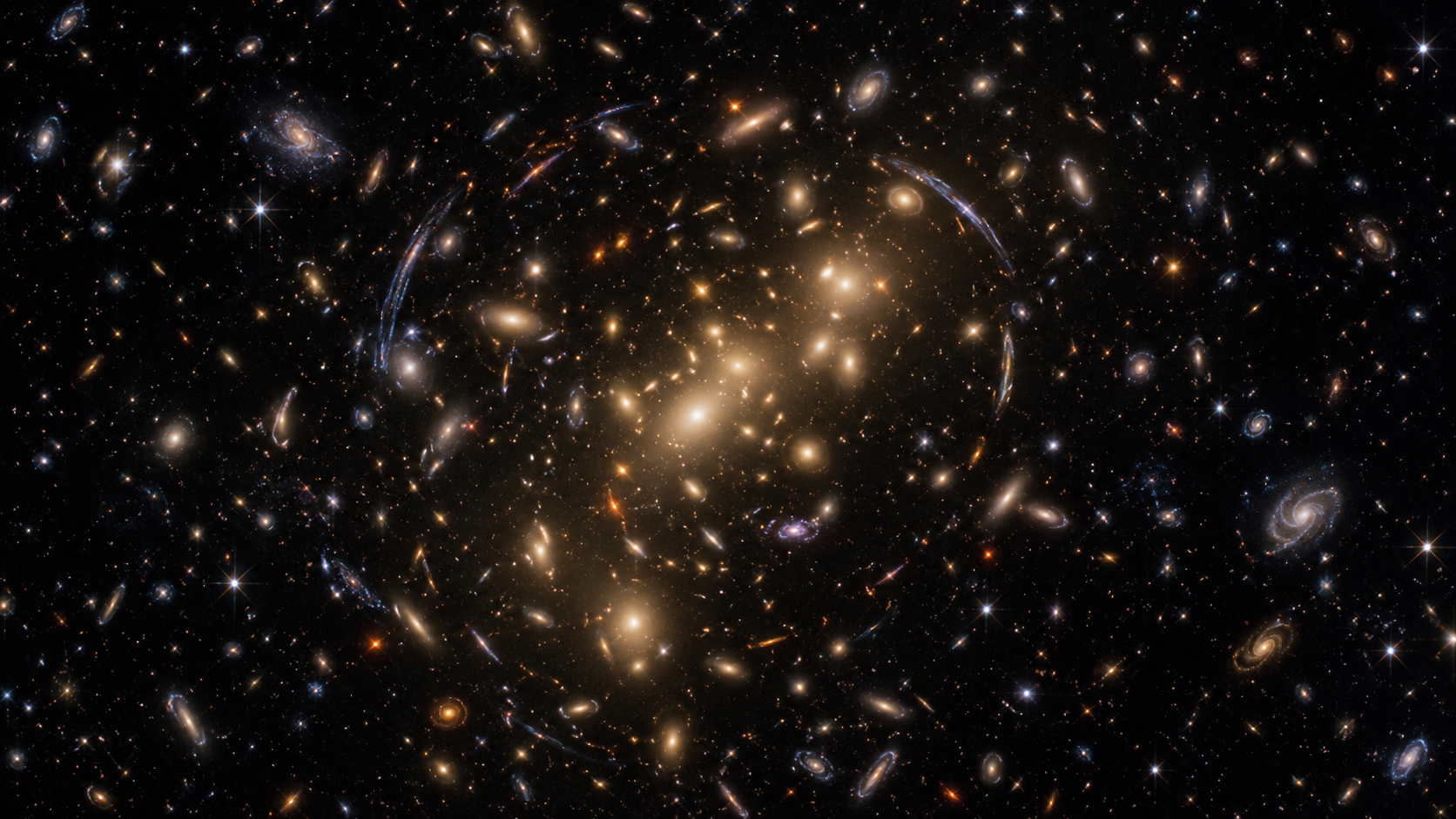
Dark matter does not emit or absorb light, but scientists infer its presence from the gravitational effects it has on galaxies and cosmic structure.
The greenhouse effect keeps Earth warm by slowing the escape of infrared energy, while added greenhouse gases intensify that natural process.
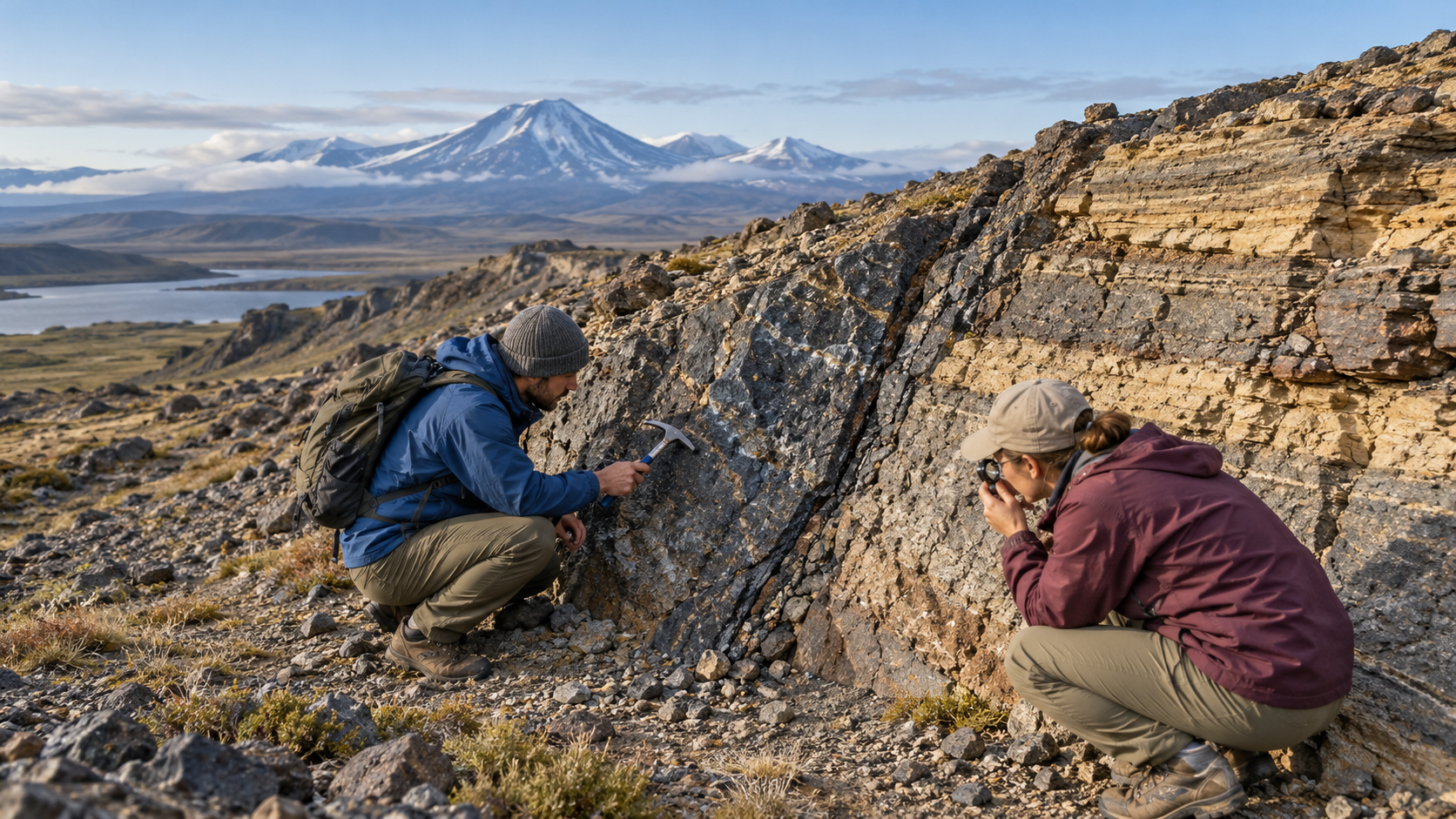
Plate tectonics moves rigid sections of Earth’s lithosphere over the mantle, reshaping continents and concentrating geologic activity.
This explainer shows how inverted pyramid journalism works in practice, why it matters, and how responsible newsrooms apply it with accuracy and transparency.