Jaron Lanier, 2018
We cannot have a society in which, if two people wish to communicate, the only way that can happen is if it’s financed by a third person who wishes to manipulate them.

Don't Just Read it – Explore It

Ice-T says his reduced screen time on this season of “Law & Order: SVU” comes down to budgeting and cast…

Breaking Rust is a computer-generated country artist whose song “Walk My Walk” just hit No. 1 on Billboard’s Country Digital…

Loading… Key Takeaways The Top 10 cutest cat breeds blend striking physical features with warm, affectionate personalities that appeal to…

Elon Musk says artificial intelligence and advanced robotics could make traditional work optional within the next 10–20 years. Speaking at…

The founder of Yara AI, a mental-health chatbot, has shut the app down after concluding it posed unacceptable risks to…

Black Friday isn’t the blockbuster shopping event it once was. Retailers have stretched deals across weeks, foot traffic is flat,…

Mick Jagger, now 82, continues to perform with remarkable stamina thanks to a highly disciplined lifestyle centered on daily movement,…
We cannot have a society in which, if two people wish to communicate, the only way that can happen is if it’s financed by a third person who wishes to manipulate them.
Peptic ulcers explained: what damages the stomach or duodenal lining, how clinicians identify the cause, and why treatment goes beyond avoiding spice.
Pulmonary embolism explained: how a clot can block blood flow in the lungs, why sudden symptoms need urgent care, and how testing guides treatment.
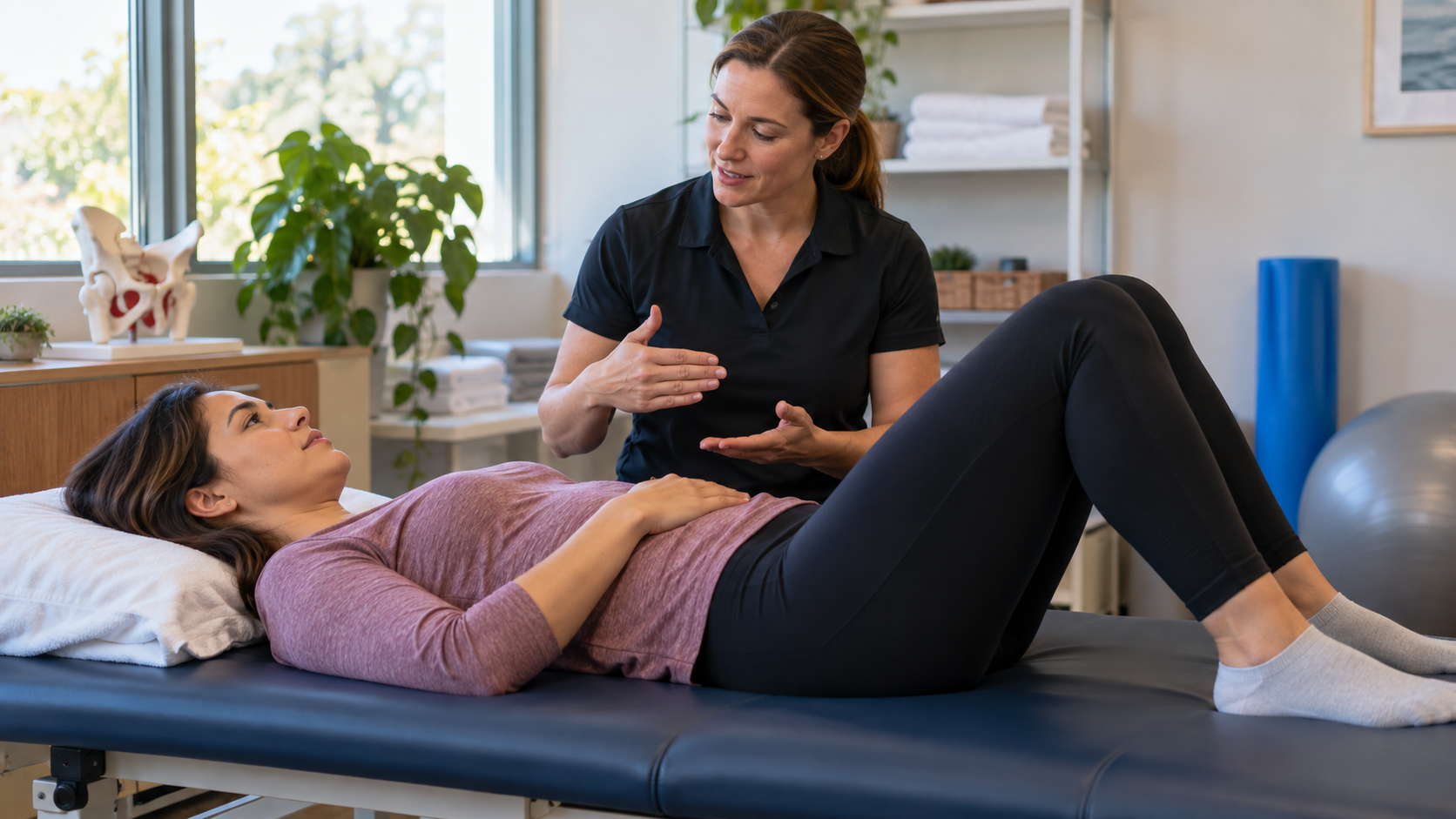
Pelvic floor muscles explained: how support and coordination work, why symptoms can reflect weakness or tension, and what tailored care involves.
Pneumonia explained: how lung infection affects breathing, what assessment looks for, and why treatment and recovery differ between people.
Peripheral artery disease explained: why narrowed arteries affect leg circulation, how testing works, and why care also addresses heart and stroke risk.
Perimenopause explained: why periods and symptoms change, how diagnosis is approached, and what support can help during the menopause transition.
Pulmonary rehabilitation explained: how supervised exercise, education, and support help people with lung disease manage breathlessness and daily tasks.
Probiotics explained: why strains and evidence matter, how foods differ from supplements, and why more live microbes do not guarantee greater benefits.
Postpartum depression explained: how symptoms differ from the baby blues, why seeking help matters, and how treatment supports recovery after birth.
Raynaud’s explained: why cold or stress can change finger circulation, how primary and secondary forms differ, and when symptoms need assessment.