Post-Traumatic Stress Disorder
PTSD explained: how trauma-related symptoms persist, what assessment considers, and how effective treatment can support recovery and daily life.

Don't Just Read it – Explore It

Ice-T says his reduced screen time on this season of “Law & Order: SVU” comes down to budgeting and cast…

Breaking Rust is a computer-generated country artist whose song “Walk My Walk” just hit No. 1 on Billboard’s Country Digital…

Loading… Key Takeaways The Top 10 cutest cat breeds blend striking physical features with warm, affectionate personalities that appeal to…

Elon Musk says artificial intelligence and advanced robotics could make traditional work optional within the next 10–20 years. Speaking at…

The founder of Yara AI, a mental-health chatbot, has shut the app down after concluding it posed unacceptable risks to…

Black Friday isn’t the blockbuster shopping event it once was. Retailers have stretched deals across weeks, foot traffic is flat,…

Mick Jagger, now 82, continues to perform with remarkable stamina thanks to a highly disciplined lifestyle centered on daily movement,…
PTSD explained: how trauma-related symptoms persist, what assessment considers, and how effective treatment can support recovery and daily life.
Psoriasis explained: how immune activity changes the skin, why it is not contagious, and how treatment considers symptoms, location, and wider health.
Restless legs syndrome explained: the evening urge to move, how clinicians distinguish it from cramps, and why iron and treatment review matter.
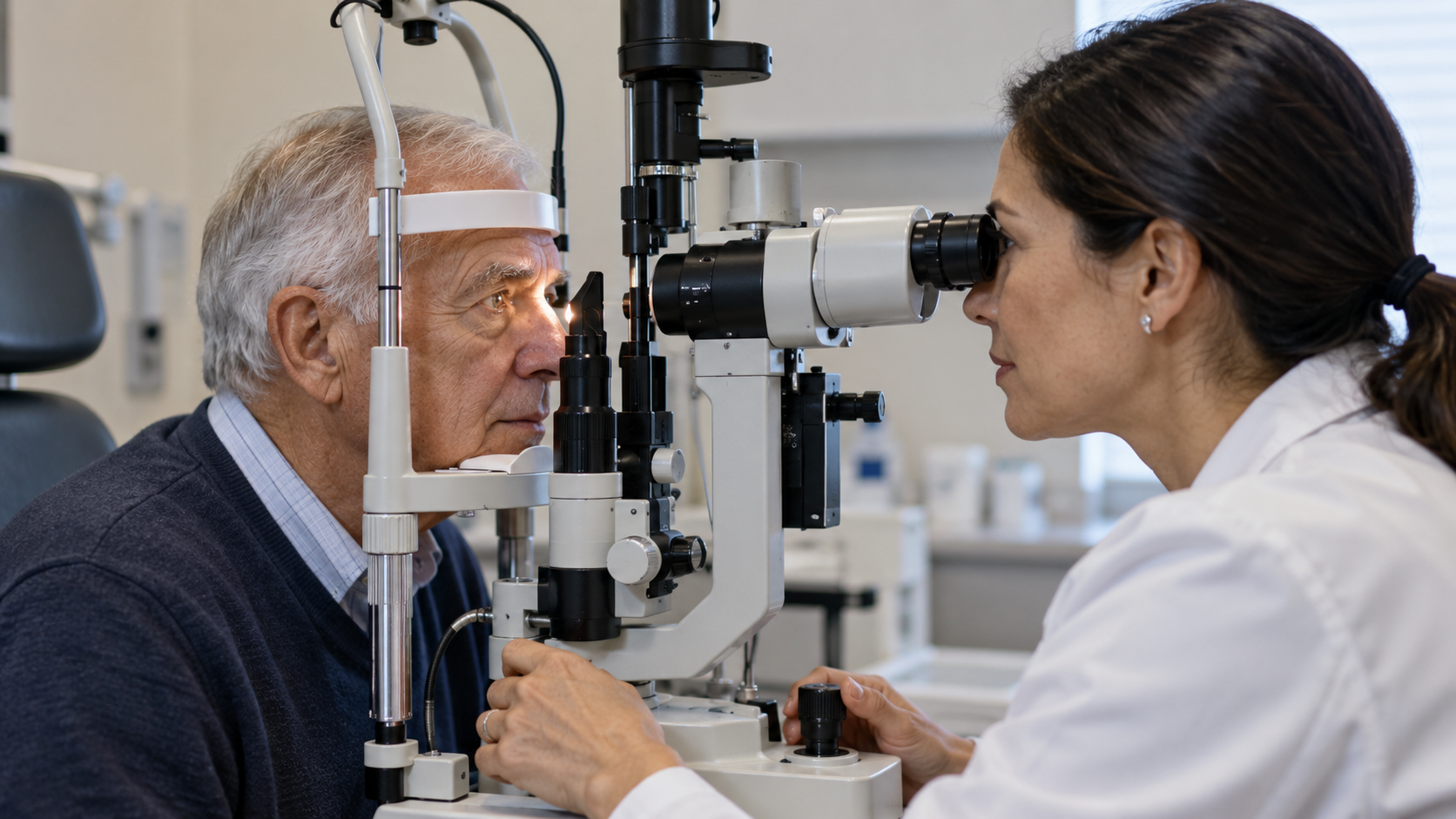
Retinal detachment explained: why sudden flashes, new floaters or a curtain in vision need urgent assessment, and how treatment protects sight.
Acid reflux explained: why stomach contents travel upward, when repeated symptoms become GERD, and how assessment and treatment differ.
Seasonal affective disorder explained: recurring depression linked to seasons, assessment of mood patterns, and treatment and support options.
RSV explained: why a common respiratory virus can be serious for infants and older adults, warning signs, supportive care, and prevention.
Rotator cuff injuries explained: shoulder tendon irritation and tears, what examination and scans show, and how rehabilitation or repair is chosen.
Rheumatoid arthritis explained: immune-driven joint inflammation, why early assessment matters, and how treatment protects movement and daily function.
Sickle cell disease explained: inherited hemoglobin changes, pain and other complications, early diagnosis, and specialist care throughout life.
Shingles explained: reactivation of the chickenpox virus, early symptoms, prompt treatment, nerve pain, and protecting vulnerable contacts.
Sepsis explained: a life-threatening response to infection, warning signs that require urgent help, hospital treatment, and recovery support.