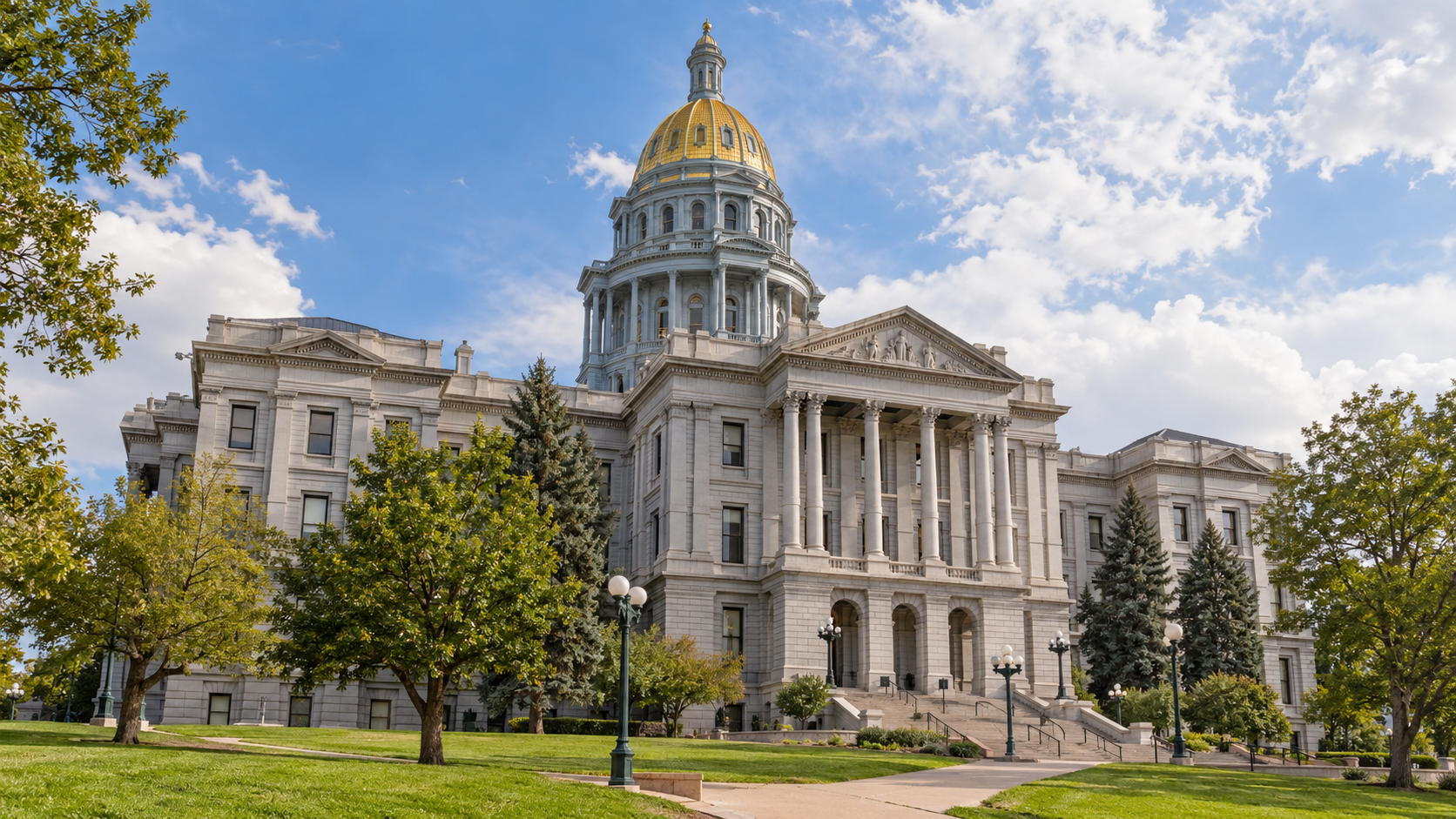
Conference Committees
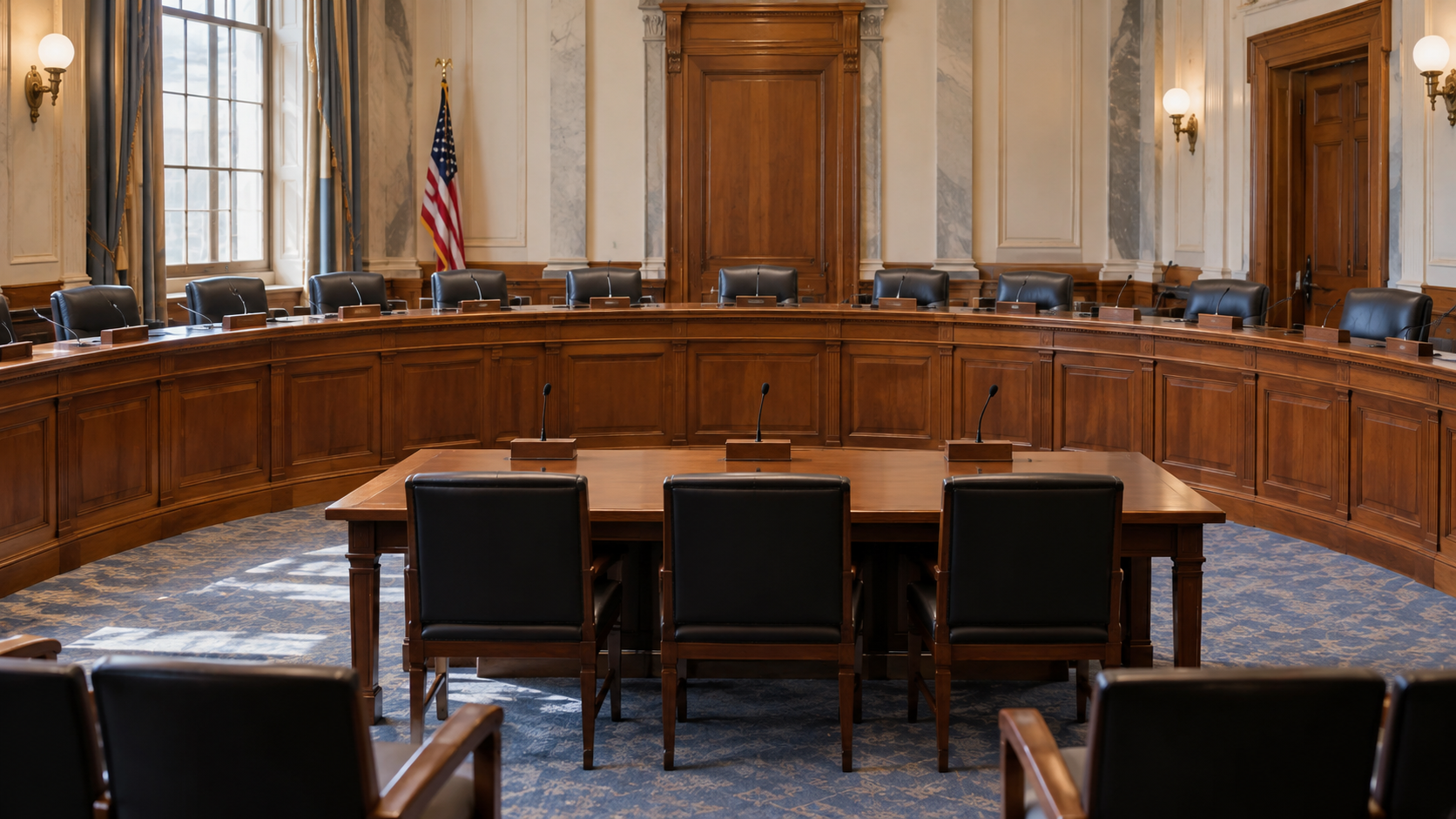
Conference committees negotiate a common legislative text when the House and Senate have passed different versions of a measure.

Don't Just Read it – Explore It

Ice-T says his reduced screen time on this season of “Law & Order: SVU” comes down to budgeting and cast…

Breaking Rust is a computer-generated country artist whose song “Walk My Walk” just hit No. 1 on Billboard’s Country Digital…

Loading… Key Takeaways The Top 10 cutest cat breeds blend striking physical features with warm, affectionate personalities that appeal to…

Elon Musk says artificial intelligence and advanced robotics could make traditional work optional within the next 10–20 years. Speaking at…

The founder of Yara AI, a mental-health chatbot, has shut the app down after concluding it posed unacceptable risks to…

Black Friday isn’t the blockbuster shopping event it once was. Retailers have stretched deals across weeks, foot traffic is flat,…

Mick Jagger, now 82, continues to perform with remarkable stamina thanks to a highly disciplined lifestyle centered on daily movement,…
Conference committees negotiate a common legislative text when the House and Senate have passed different versions of a measure.
Congressional committees specialize in policy areas, examine evidence, revise proposals, and recommend action to the House or Senate.
A quorum is the minimum presence a body needs to conduct business, separate from the voting threshold for a particular decision.
Recall elections allow voters in eligible jurisdictions to decide whether an elected official should leave office before the next regular election.
Ballot initiatives let citizens propose policy changes for a public vote, subject to petition requirements, election rules, and constitutional limits.
Runoff elections use an additional contest to choose a winner when the first election fails to satisfy the required threshold.
Ranked-choice voting counts ordered candidate preferences through successive rounds, with the outcome shaped by local rules and remaining active ballots.
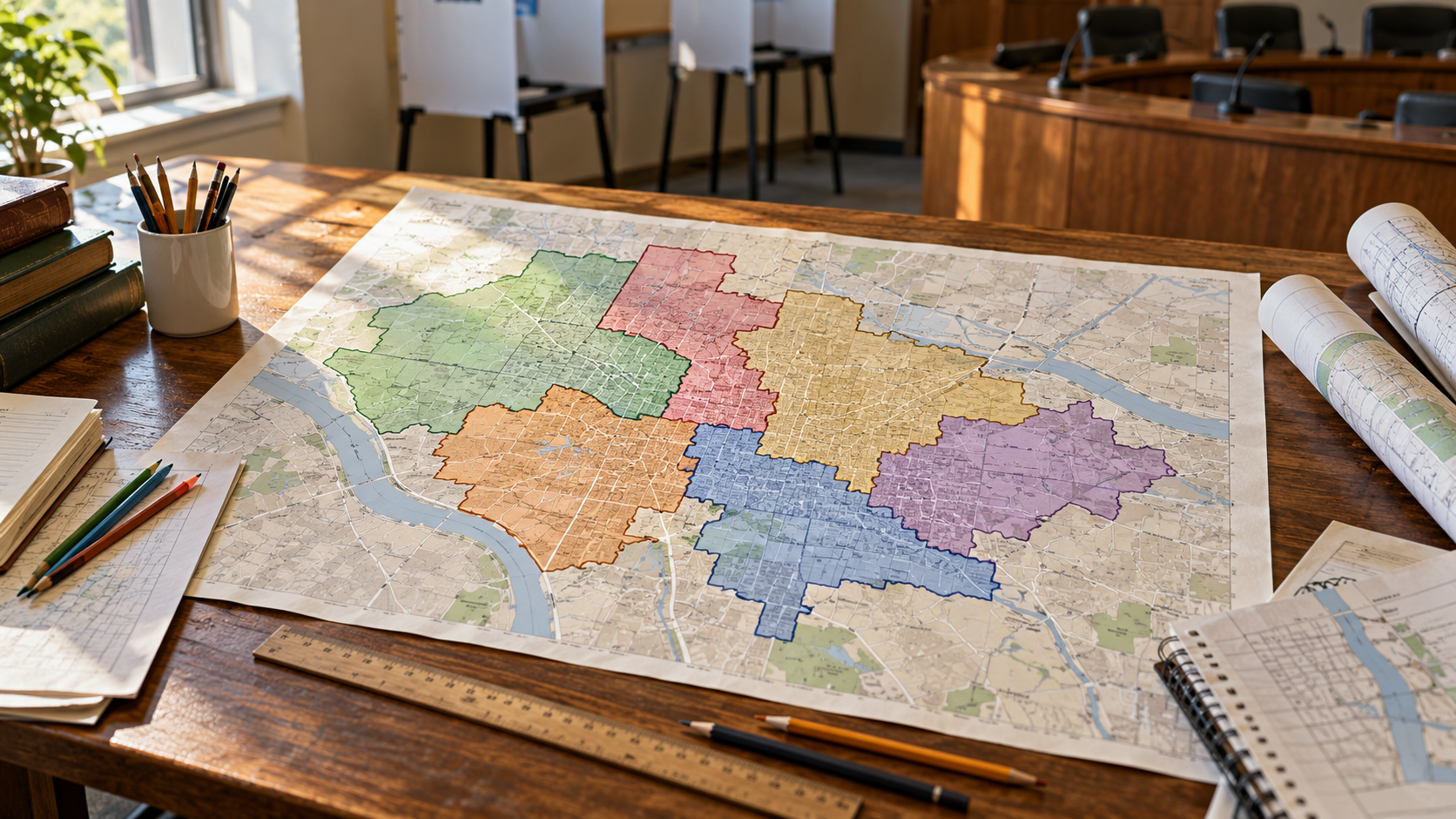
Redistricting redraws electoral boundaries to reflect population changes while balancing legal requirements and community representation.
The Electoral College selects the U.S. president through state-appointed electors, with a majority required to win the presidency.
Primary elections help select candidates for a later election, with participation and nomination rules that vary by state and party.
Judicial review allows courts to examine whether laws and government actions comply with the Constitution when deciding cases.
Federalism divides governing authority between the national government and the states, creating shared responsibilities and constitutional limits.