

On This Day in Business: October 30, 1938
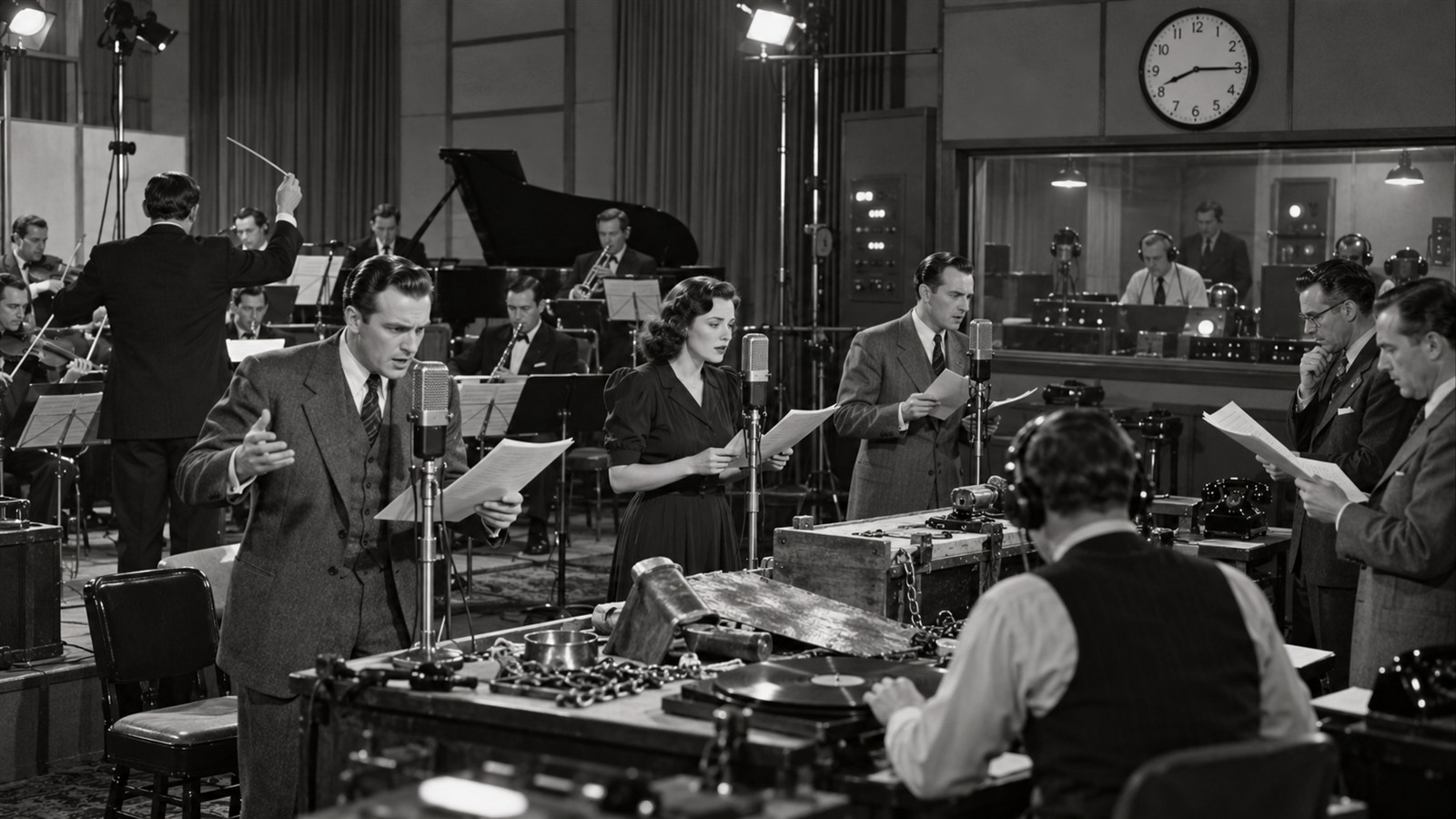
On October 30, 1938, CBS broadcast the Mercury Theatre on the Air adaptation of H. G. Wells's The War of the Worlds. Directed and narrated by Orson Welles, the program shifted the story to contemporary New Jersey and presented much of it through simulated news bulletins interrupting music. Announcements identified the broadcast as fiction, yet some listeners tuned in late or missed the context and believed portions were real. Later newspaper coverage exaggerated the scale of nationwide panic, but genuine confusion occurred. The episode demonstrated radio's extraordinary ability to create immediacy inside millions of homes.
Commercial radio in the 1930s depended on networks, local affiliates, sponsors, ratings, performers, and advertising agencies. Mercury Theatre initially aired without a sponsor, competing for attention against popular programming on other networks. The broadcast used familiar conventions—remote reports, official voices, technical interruptions—to borrow credibility from news. That realism was an artistic achievement and a reputational risk. Broadcasters learned that format can influence belief independently of content, especially when audiences enter midway and information moves faster than verification.
The publicity transformed Welles into a national figure and soon helped the series secure sponsorship from Campbell Soup. Newspapers, themselves competing with radio for advertising, had incentives to emphasize broadcasting's dangers. Regulators investigated but did not impose major punishment. The event became an early case study in crisis communication, audience research, media rivalry, and earned attention. It also showed that controversy can create commercial value without being harmless; anxiety and misunderstanding were part of the same mechanism that produced fame.
The mythology surrounding the broadcast has lasted longer than many of its verified effects. That persistence is itself instructive for modern media businesses. A vivid story about audience behavior can be repeated until it becomes conventional wisdom, even when later evidence complicates it. October 30 therefore offers two lessons. Realistic presentation carries a duty to signal context clearly, and companies should distinguish measured impact from sensational reports about impact. Radio's network structure has changed into digital platforms and streams, but the underlying incentives remain recognizable: attention is valuable, trust is fragile, and a format that feels live can outrun the audience's ability to check what it hears. Sponsors and platforms still face the same tradeoff between reach and credibility. A sensational program may attract an audience once, but durable media brands need listeners to understand the contract between fiction, reporting, promotion, and live experience each time they tune in.
CBS aired the Mercury Theatre adaptation of The War of the Worlds on October 30, 1938.
Simulated news bulletins gave the fictional invasion the sound of a live emergency.
Some listeners were confused, although later claims of nationwide panic were greatly overstated.
The controversy raised Orson Welles's profile and helped the program attract a commercial sponsor.
Newspaper coverage reflected both public concern and competition with radio for advertising.
The event remains a lesson in format credibility, audience context, measurement, and trust.
Explore more of "On This Day ..."
Discover more events from the same date across news, politics, technology, sports, and other fields. Each link highlights significant moments that shaped history on different fronts.