

On This Day in Business: November 5, 1895
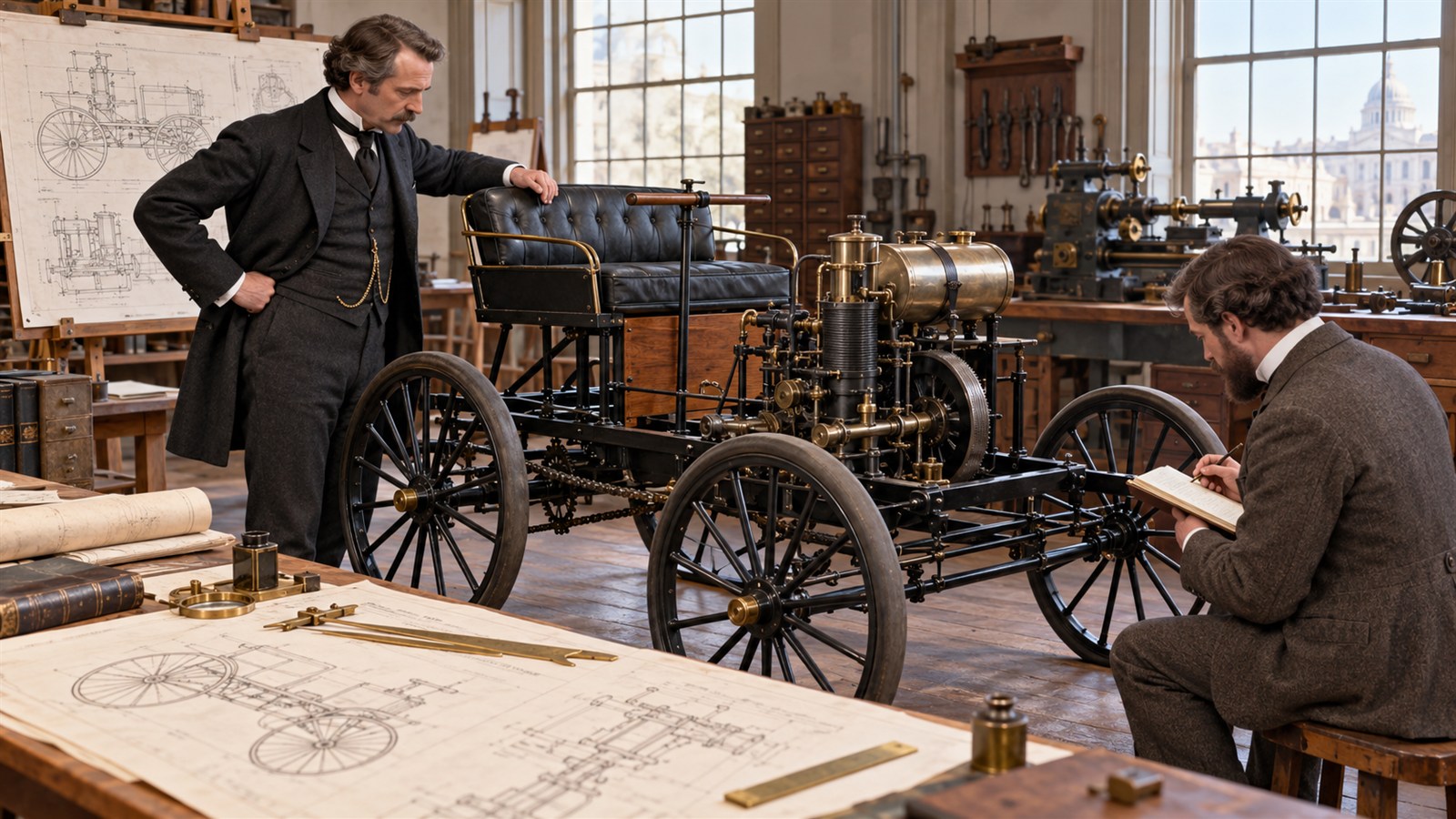
On November 5, 1895, George B. Selden received a U.S. patent for a road engine powered by a liquid-hydrocarbon engine. The application had been pending for years while automobile technology advanced rapidly. Its broad claims gave Selden and the interests controlling the patent a potential claim on an emerging industry even though Selden had not built a large manufacturing business around the design. The transaction promised scale, but size alone could not create value. The economic case depended on combining assets, talent, purchasing power, technology, and market access more effectively than the two organizations could manage separately, after accounting for the cost and disruption of integration.
The Electric Vehicle Company acquired rights and used the patent as the basis for licensing through the Association of Licensed Automobile Manufacturers. Participating automakers paid royalties and gained an approved place inside the group. The arrangement offered order and shared legal protection, but it also created a gatekeeper that could decide which manufacturers entered the fast-growing market. Regulators and customers also had reason to examine the deal. Consolidation can improve efficiency while reducing competition in particular markets, so divestitures, conduct rules, and continuing oversight became part of the transaction rather than an afterthought to the closing documents.
Henry Ford resisted and was sued. After extended litigation, an appellate court narrowed the patent's reach in 1911, leaving Ford free of the royalty system. The dispute influenced competition during the automobile industry's formative years and showed how control of intellectual property can shape investment even when the underlying technology is evolving beyond the original claim. Inside the company, the difficult work began after signatures. Systems, reporting lines, capital plans, safety practices, and cultures had to be aligned without interrupting daily operations. Synergy targets were meaningful only if managers could convert them into observable improvements instead of broad promises.
The Selden episode is less a story of one machine than of strategic patent use. Rights can reward invention, attract capital, and enable licensing, yet overly broad control may discourage entry or turn legal leverage into a substitute for production. Companies in young industries must evaluate both technical freedom to operate and the competitive effects of the licensing structures they create. The lesson for modern dealmakers is to treat integration as an operating program with measurable owners, deadlines, and customer safeguards. A merger closes legally in a day, but its strategic outcome emerges over years. Governance must preserve accountability while leaders decide what to combine, retain, or sell. In practical terms, the advantage came from linking a clear customer promise to disciplined execution. Capital had to be allocated before demand was certain, employees and partners had to coordinate, and leaders had to keep learning after the initial milestone passed into history.
Selden's road-engine patent was granted on November 5, 1895.
Its broad language affected the young U.S. automobile industry.
Patent rights were organized into a licensing system.
Automakers inside the association paid royalties.
Ford challenged the patent and ultimately prevailed on appeal.
The dispute became a landmark example of intellectual-property strategy.
Explore more of "On This Day ..."
Discover more events from the same date across news, politics, technology, sports, and other fields. Each link highlights significant moments that shaped history on different fronts.