

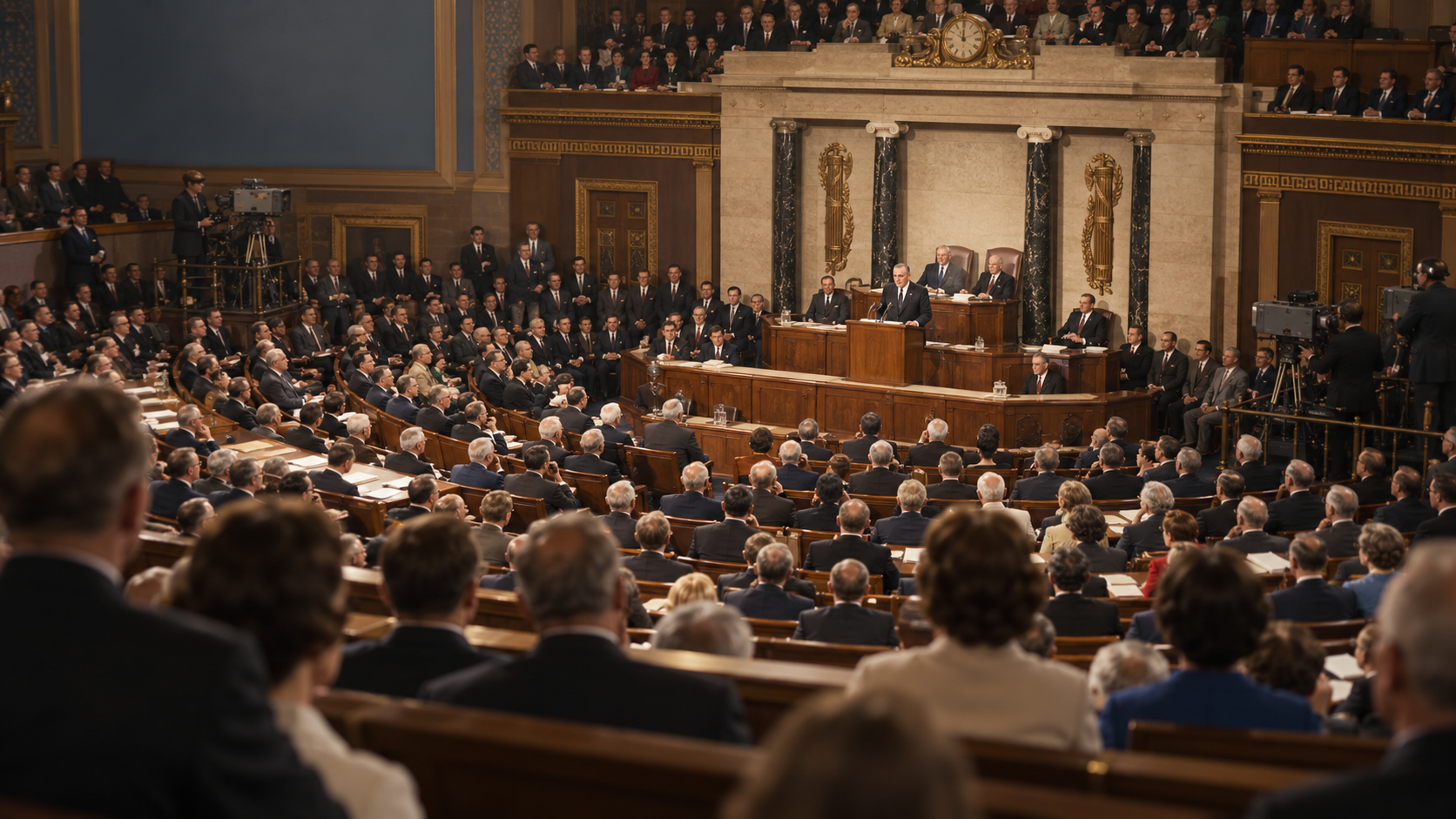
On This Day in Lifestyles: January 8, 1964
On January 8, 1964, President Lyndon B. Johnson used his first State of the Union address to declare an “unconditional war on poverty in America.” Speaking less than seven weeks after the assassination of John F. Kennedy, Johnson asked Congress to pursue a broad national effort rather than a single relief program. He connected poverty to limited schooling, poor health, weak job prospects, and communities cut off from economic growth. The speech turned an entrenched social condition into an urgent public challenge and made everyday security—work, housing, education, nutrition, and medical care—a central test of national prosperity.
The United States of the early 1960s was becoming wealthier, but that prosperity was unevenly shared. Many older adults lived on small incomes, rural regions lacked modern services, and families in crowded urban neighborhoods faced discrimination and scarce opportunity. Johnson’s advisers had been developing anti-poverty proposals before he became president, and he expanded their ambitions. His January address promised programs shaped around prevention and self-sufficiency: better schools, useful training, stronger local economies, and access to employment. The message deliberately emphasized opportunity, yet it also recognized that personal effort could not overcome every barrier created by geography, illness, racism, or economic change.
Congress translated the campaign into major legislation. The Economic Opportunity Act of 1964 created initiatives that included Job Corps, VISTA, work-study support, community action agencies, and Head Start’s early development. Other Great Society measures soon established Medicare and Medicaid, expanded food assistance, strengthened public education, and invested in housing and neighborhoods. Results varied, and several programs became politically contested. Community action sometimes challenged local power structures, while opponents criticized federal spending and administration. Even so, the effort permanently broadened the idea that government had a role in helping people reach health care, schooling, nourishment, and income security.
The War on Poverty did not eliminate poverty, and later recessions, policy changes, wages, family structure, and living costs complicated its record. Yet its legacy is visible in institutions that millions of people still encounter in ordinary life—from preschool classrooms and community health services to college aid, nutrition programs, and medical coverage. Johnson’s address also changed how Americans discussed deprivation: not simply as individual failure, but as a condition shaped by public systems and access to opportunity. The debate that followed—over which help works, who should provide it, and how society measures a decent standard of living—remains part of American life decades later.
Johnson’s January 8 address came during a presidential transition and a period of strong national growth. He argued that widespread prosperity made persistent deprivation more urgent, not less.
The declaration covered more than cash income. It tied poverty to education, health, job training, housing, and the economic isolation of both rural and urban communities.
The Economic Opportunity Act created Job Corps, VISTA, community action programs, and work-study assistance. Head Start began soon afterward as an early-childhood initiative.
Great Society legislation also produced Medicare and Medicaid and expanded federal support for schools, food assistance, housing, and neighborhood development.
Supporters point to lasting institutions and declines in hardship among older Americans. Critics question program design, federal reach, cost, and whether benefits addressed underlying economic change.
The campaign’s central argument endures: opportunity depends partly on the public systems surrounding a family, including schools, health care, transportation, employment, and nutrition.
Explore more of “This Day in Lifestyles”
Discover more moments in everyday life, design, education, travel, food, fashion, and culture. Each story connects a calendar date with an event that changed how people lived.