

On This Day in News: January 16, 1991
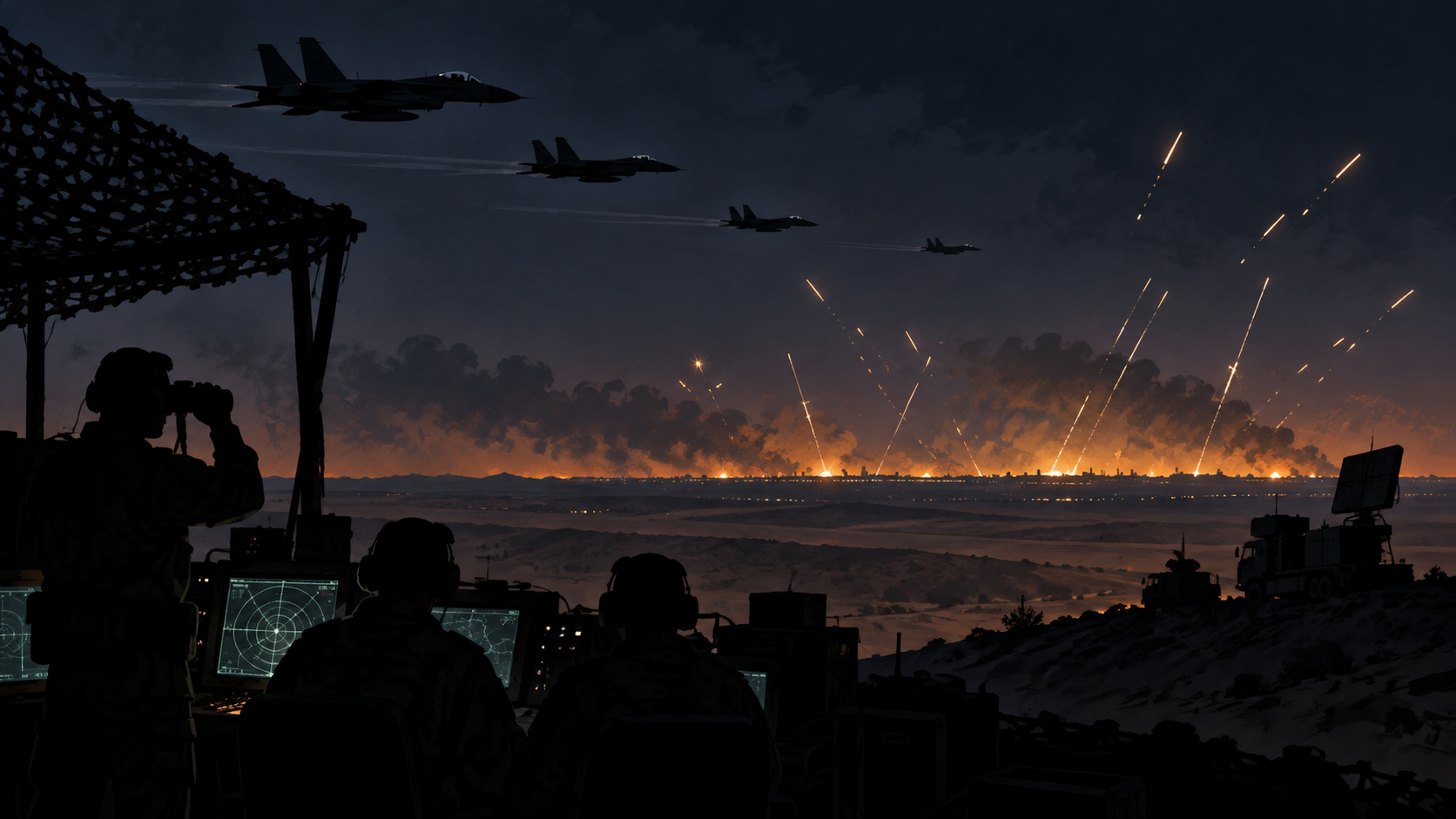
In the late hours of January 16, 1991 (early January 17 in the Gulf), months of diplomatic tension over Iraq’s invasion of Kuwait gave way to open war. After Iraq seized Kuwait in August 1990, the United Nations condemned the occupation and imposed sweeping economic sanctions, demanding a full withdrawal. As the deadline set by UN Resolution 678 passed without compliance, a U.S.-led coalition of more than 30 nations moved from deterrence to action. From bases in Saudi Arabia and aircraft carriers in the Persian Gulf, coalition aircraft lifted off for the opening strikes, signaling that Operation Desert Shield—focused on defending Saudi Arabia—had transitioned into Operation Desert Storm, aimed at liberating Kuwait and enforcing international resolutions.
That same evening in Washington, President George H. W. Bush addressed Americans in a televised speech, confirming that allied forces were engaged in combat operations against Iraqi targets. He framed the intervention as a response to “naked aggression,” emphasizing the defense of smaller states, the reliability of U.S. security commitments, and the need to uphold the authority of the United Nations. For many viewers worldwide, the war was one of the first major conflicts watched in near real time, with 24-hour news channels broadcasting night-vision footage of anti-aircraft fire above Baghdad and briefings that turned military terminology into household language.
Militarily, the air campaign marked a watershed moment in modern warfare. Over the following weeks, coalition forces flew tens of thousands of sorties, concentrating on command-and-control centers, air defenses, communication lines, and key infrastructure in Iraq and occupied Kuwait. Precision-guided “smart” munitions, stealth aircraft, and sophisticated surveillance systems were used on an unprecedented scale, reinforcing a perception of overwhelming technological superiority. The aim was to weaken Iraq’s military capability, isolate its forces in Kuwait, and reduce the risks to coalition ground troops before any large-scale land operation began.
The offensive reshaped regional and global politics. It decisively reversed Iraq’s attempt to redraw borders by force, but it left Saddam Hussein’s regime in power, setting the stage for years of sanctions, inspections, and periodic clashes. For the United States and its allies, the campaign became a model of rapid, coalition-based intervention, influencing military planning and foreign policy debates for decades. For people in the region, the air war and subsequent fighting brought destruction, displacement, and a new era of foreign military presence around the Persian Gulf. January 16, 1991, thus stands as both the visible start of the Gulf War’s combat phase and a turning point in how the world would wage—and watch—war in the late 20th century.
By January 16, 1991, the crisis sparked by Iraq’s August 1990 invasion of Kuwait had reached a breaking point. The United Nations had condemned the occupation, imposed sweeping economic sanctions, and passed resolutions demanding Iraq’s withdrawal. A U.S.-led coalition of more than 30 countries built up forces in Saudi Arabia under Operation Desert Shield, both to defend the kingdom and to pressure Iraq to comply.
When the UN deadline for withdrawal expired in mid-January without Iraqi compliance, diplomacy gave way to military action. That night, coalition aircraft launched the opening strikes of Operation Desert Storm, signaling the start of the Gulf War’s air campaign. The conflict was framed as a collective effort to reverse aggression, uphold international law, and protect the flow of oil from the Persian Gulf.
In the early hours of the campaign, coalition forces targeted Iraqi air defenses, command-and-control centers, communications hubs, and key infrastructure in Iraq and occupied Kuwait. The goal was to weaken Iraq’s military capabilities, isolate its forces in Kuwait, and reduce the risks of a future ground invasion. Tens of thousands of sorties followed over the coming weeks.
The air offensive also became one of the first major wars seen in near real time. Televised briefings and night-vision footage from Baghdad made the conflict a global media event. In Washington, President George H. W. Bush addressed the nation, presenting the operation as a limited, focused intervention to liberate Kuwait and protect smaller states from coercion.
The Gulf War air campaign highlighted the growing role of precision-guided munitions, stealth aircraft, and advanced surveillance in modern warfare. It shaped military doctrine for years, reinforcing ideas about rapid, coalition-based operations and technological superiority on the battlefield.
Politically, the conflict restored Kuwait’s sovereignty but left Saddam Hussein in power, setting the stage for continued sanctions, weapons inspections, and recurring confrontations throughout the 1990s. The events that began on January 16, 1991, also influenced the future of U.S. involvement in the Middle East and global debates over when and how international coalitions should respond to acts of aggression.
Explore more of "On This Day ..."
Discover more events from the same date across news, politics, technology, sports, and other fields. Each link highlights significant moments that shaped history on different fronts.