

On This Day in News: February 17, 2008
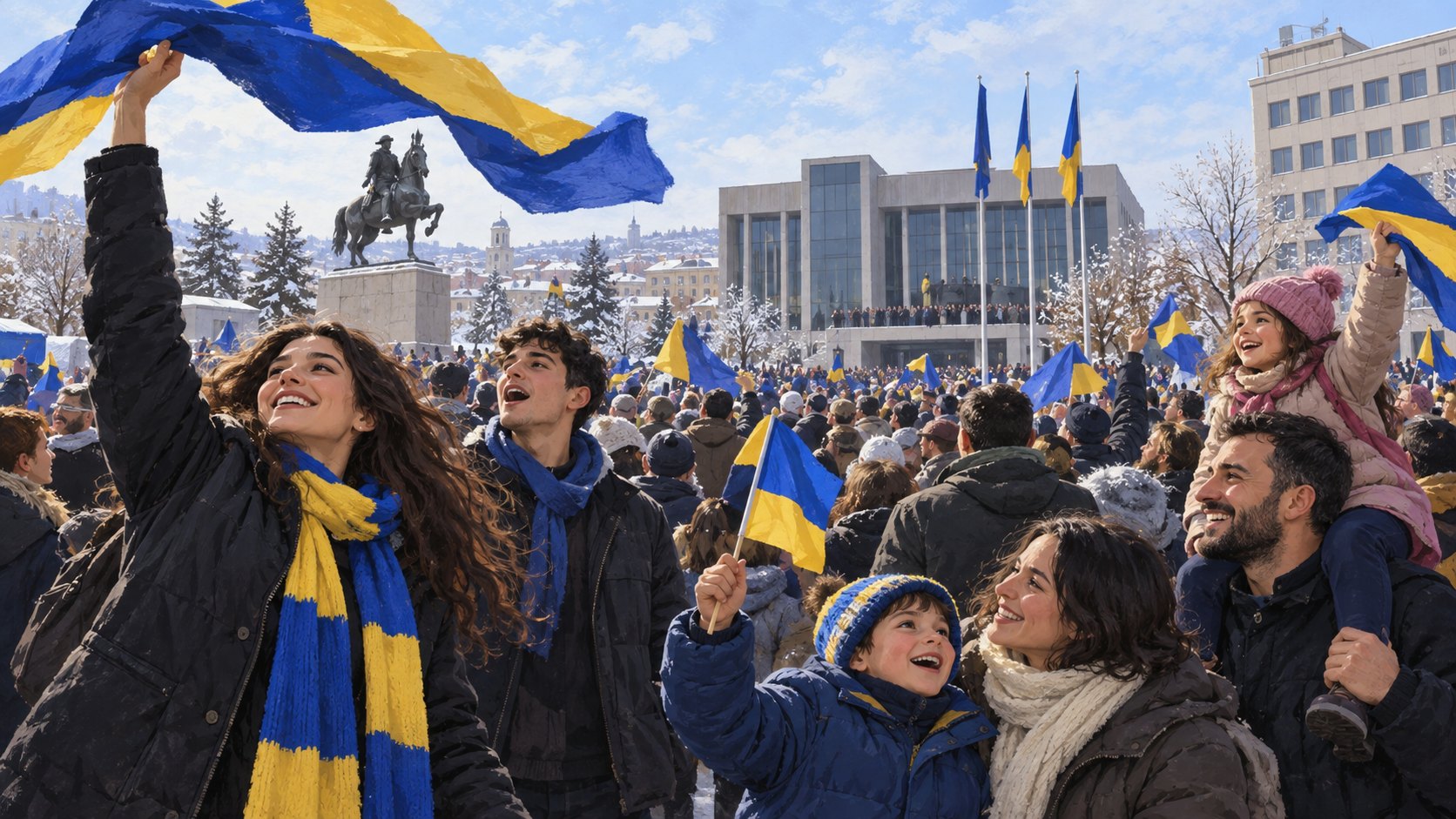
On February 17, 2008, Kosovo's parliament declared the territory an independent and sovereign state in Pristina. Lawmakers pledged to protect minority communities and follow a plan developed through United Nations-led negotiations. Crowds celebrated across the capital, while Serbia immediately rejected the declaration as illegal and reaffirmed its claim to Kosovo. The event created a new state recognized by many countries but not accepted universally.
Kosovo's status had remained unresolved since the violent breakup of Yugoslavia. Conflict between Serbian forces and the ethnic Albanian Kosovo Liberation Army escalated in the late 1990s, accompanied by atrocities, mass displacement, and NATO's 1999 air campaign against Yugoslavia. After Serbian forces withdrew, Kosovo came under United Nations administration with a NATO-led security presence. Years of negotiation failed to produce an arrangement accepted by both Belgrade and Kosovo's Albanian majority.
The United States and many European governments recognized Kosovo soon after the declaration. Serbia, Russia, China, and several other states did not. The disagreement affected Kosovo's ability to join international organizations and became entangled with wider arguments about territorial integrity, self-determination, and the precedent set by unilateral secession. In 2010, the International Court of Justice issued an advisory opinion that the declaration itself did not violate international law, but the opinion did not require recognition.
Kosovo has since built national institutions, held elections, and pursued closer ties with Europe, while relations with Serbia remain fragile. Serb-majority areas in northern Kosovo have been recurring centers of tension, and European- and American-backed talks continue seeking normalization. February 17 is celebrated as independence day within Kosovo, yet its unresolved recognition shows that declaring statehood and securing broad international acceptance are different processes.
Kosovo's population was predominantly ethnic Albanian, while Serbian history and religious sites gave the territory deep importance in Serbian national identity.
United Nations administration after 1999 created temporary governance but did not settle the final question of sovereignty.
Recognition came quickly from some governments, allowing Kosovo to establish diplomatic relations and participate in selected international bodies.
Other states withheld recognition because of alliances, domestic separatist concerns, or legal views about Serbia's territorial integrity.
The declaration's legal status and the political act of recognizing a state remain distinct questions in international relations.
Kosovo's legacy continues through negotiations over minority rights, municipal authority, security, and relations with Serbia.
Explore more of "On This Day ..."
Discover more events from the same date across news, politics, technology, sports, and other fields. Each link highlights significant moments that shaped history on different fronts.