

On This Day in News: February 29, 1940
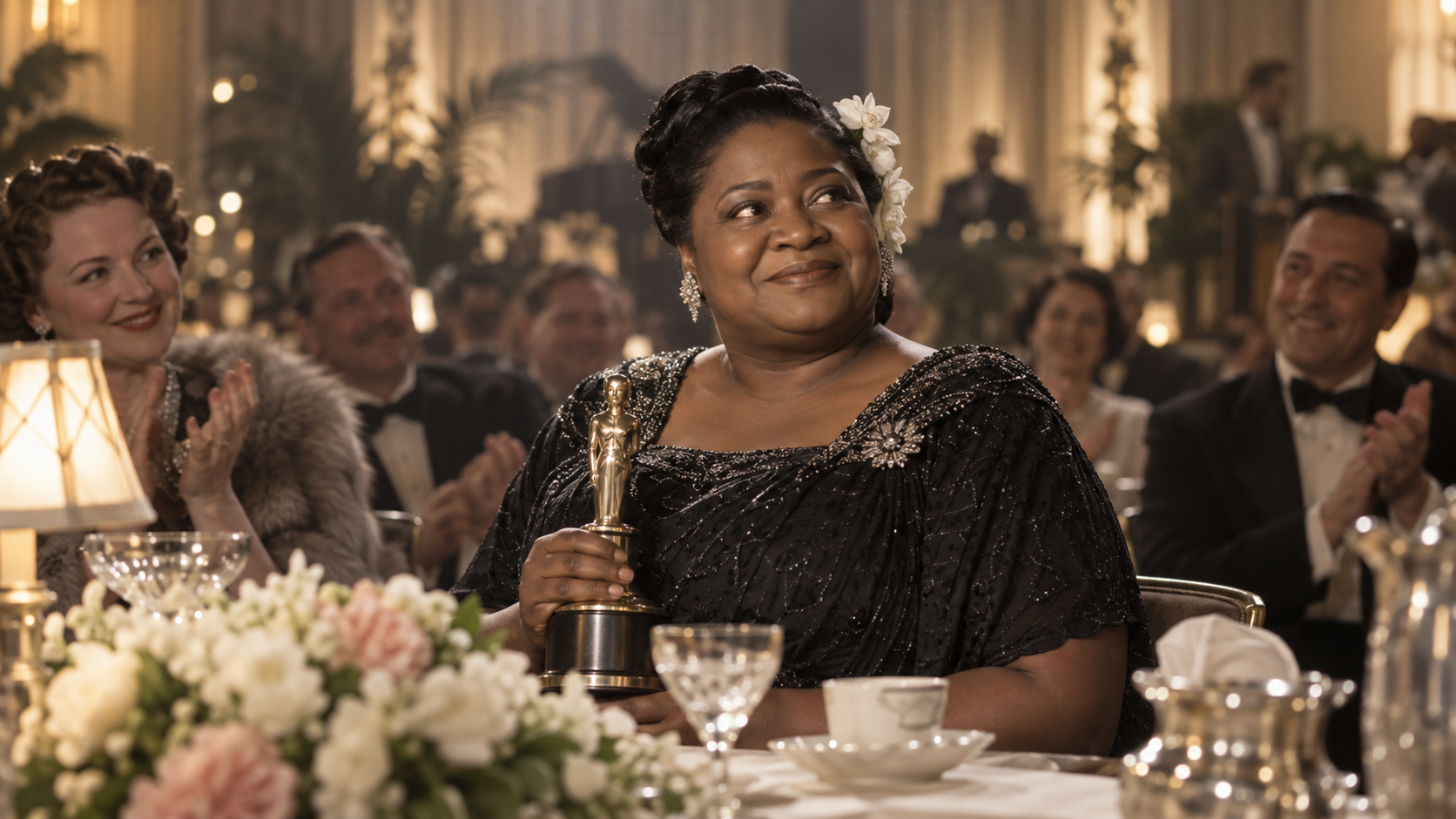
On February 29, 1940, Hattie McDaniel became the first Black person to win an Academy Award. At the 12th Academy Awards in Los Angeles, she received the supporting-actress honor for her performance as Mammy in Gone with the Wind. The achievement placed a Black performer at the center of Hollywood's most visible awards ceremony during an era when racial segregation structured both American life and the film industry.
McDaniel had built a career as a singer, radio performer, and screen actor after years of touring and taking varied work. Hollywood offered Black actors few substantial parts, and the roles available to McDaniel were frequently servants shaped by stereotypes. Her performance brought humor, authority, and emotional force to a character written within those restrictions. Competition for the role was intense, and her selection made her one of the film's most recognizable performers.
The ceremony itself exposed the limits surrounding the historic award. The event was held at the segregated Ambassador Hotel, and McDaniel was seated at a separate table near the edge of the room rather than with the film's white cast. She delivered a brief acceptance speech expressing hope that she would remain a credit to her race and the motion-picture industry. The honor was real, but it did not dismantle the barriers that limited where she could live, work, or sit that evening.
McDaniel's victory has endured as both a breakthrough and a reminder of unfinished change. Later generations have debated the roles she accepted while recognizing the narrow choices available to Black performers in classical Hollywood. Her success opened an important symbolic door, yet decades passed before other Black actors won in major categories. Remembering the full context makes the event more meaningful: it celebrates McDaniel's talent and persistence while acknowledging the unequal system through which she had to advance.
Hattie McDaniel reached Hollywood after performing in vaudeville, radio, and music, building a professional career despite sharply restricted opportunities for Black artists.
Her role in Gone with the Wind was created within the racial conventions of its era, but McDaniel gave the character a presence that audiences and award voters recognized.
The segregated hotel required McDaniel to sit apart from the film's white cast, revealing the contradiction between her public honor and her treatment at the event.
Winning an award did not end typecasting or discrimination, and McDaniel continued to navigate an industry that offered Black actors a narrow range of roles.
Her achievement established a lasting milestone and became a reference point for later generations seeking fuller representation in film.
The event is best understood by holding celebration and criticism together: McDaniel broke a barrier while the system around her remained profoundly unequal.
Explore more of "On This Day ..."
Discover more events from the same date across news, politics, technology, sports, and other fields. Each link highlights significant moments that shaped history on different fronts.