

On This Day in Politics: March 6, 1957
On March 6, 1957, Ghana became independent from Britain, with Prime Minister Kwame Nkrumah leading celebrations in Accra. The country formerly known as the Gold Coast entered international affairs as a sovereign state, bringing a long struggle over colonial government to a decisive constitutional turning point. Representatives from abroad joined the ceremonies, and the United States recognized Ghana that same day. Independence meant that the country’s government could speak and negotiate in its own name. It also placed a demanding task before its leaders: making political freedom meaningful through institutions, public services, and an economy capable of supporting the hopes attached to nationhood.
The new state brought together territories whose histories under British administration had differed, including the Gold Coast and British Togoland. A referendum before independence had supported British Togoland’s integration into the emerging country. Ghana chose to remain in the Commonwealth, so the end of colonial rule did not mean severing every existing international relationship. Nor did independence immediately establish a republic: that constitutional change followed in July 1960, when Nkrumah became president. Keeping those dates separate matters. March 6 was the transfer to sovereign national government, while later decisions reshaped the offices and political arrangements through which that sovereignty would be exercised.
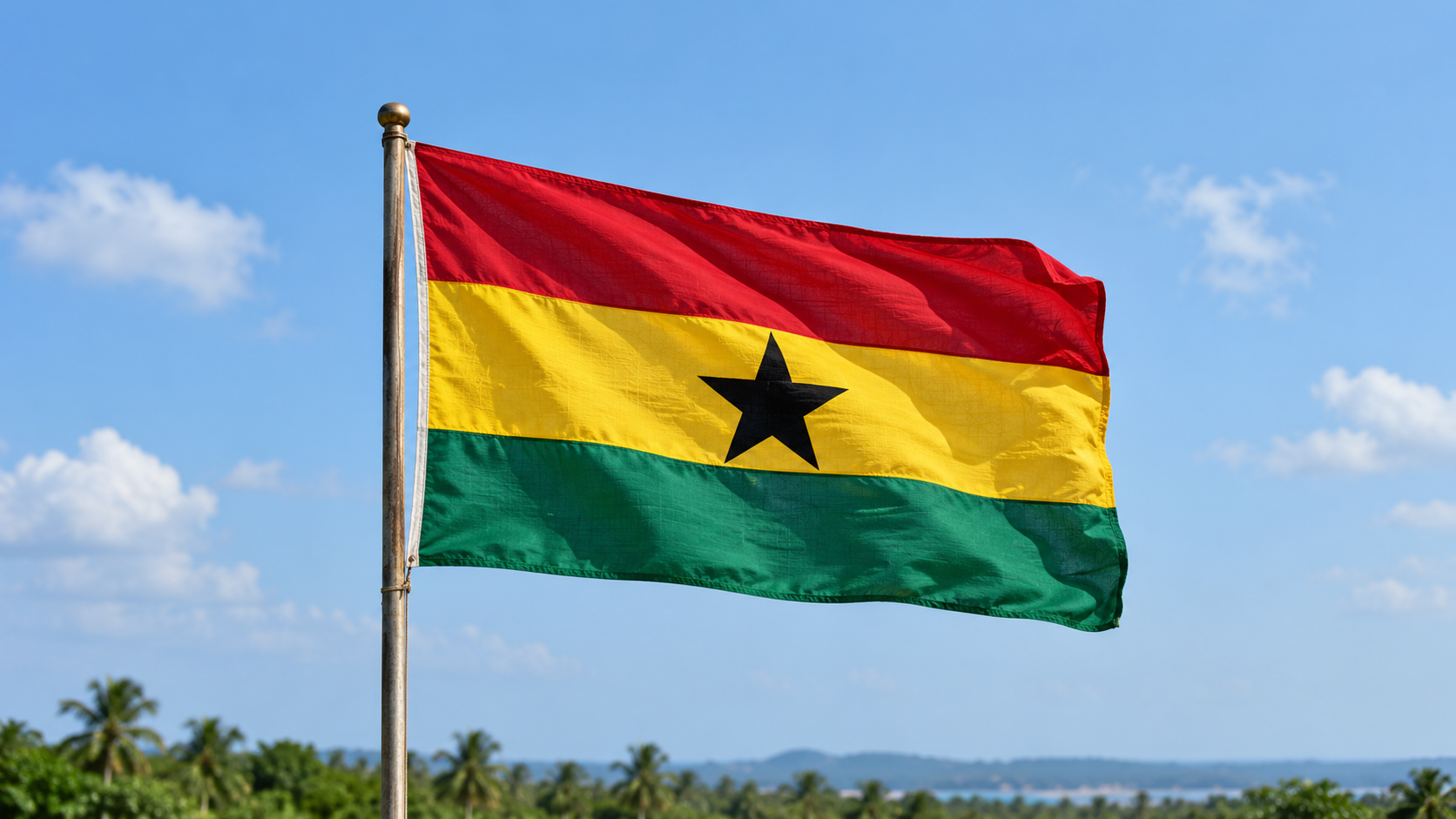
The day’s symbols communicated the change beyond the language of constitutional documents. Ghana adopted a flag designed by Theodosia Okoh, with red, gold, and green horizontal bands and a black star at the center. Its design connected national independence with the wider cause of African emancipation. In diplomatic terms, the transition produced equally concrete changes. The American consulate general in Accra became an embassy on March 6, and formal diplomatic relations began. Such steps gave the new government channels through which to seek recognition, negotiate assistance, and represent its interests. The celebrations announced a new country, while these quieter administrative acts began its everyday work abroad.
Political independence did not automatically remove economic dependence. In a letter to President Dwight Eisenhower later in 1957, Nkrumah described Ghana’s reliance on cocoa and argued for investment in electricity, industry, and transport. His concern showed how quickly the questions of development and sovereignty became intertwined. Ghana subsequently promoted African unity, while its domestic political course also included restrictions on opposition and the emergence of a one-party state. These later developments complicate any simple account of uninterrupted democratic progress. The importance of March 6 remains clear without overlooking them: the anniversary marks the end of British colonial authority and the beginning of Ghana’s responsibility for choices whose consequences would extend far beyond the independence ceremonies.
British Togoland joined the emerging Ghana after a pre-independence referendum. The new state combined territories with different administrative histories.
Ghana remained within the Commonwealth. Sovereignty and continuing international association were compatible choices.
The United States recognized Ghana and established diplomatic relations on March 6. Its Accra consulate general became an embassy.
The republic followed in July 1960. Nkrumah was prime minister at independence, rather than president.
Theodosia Okoh’s flag used a black star to express African emancipation. National symbols connected Ghana’s change with a continental movement.
Nkrumah’s later correspondence highlighted cocoa dependence and industrial development. Economic independence remained a separate challenge after sovereignty.
Explore more of "On This Day ..."
Discover more events from the same date across news, politics, technology, sports, and other fields. Each link highlights significant moments that shaped history on different fronts.