

On This Day in Politics: July 20, 1810
On July 20, 1810, unrest in Santa Fe, now Bogotá, led to the formation of a governing junta in the capital of the Viceroyalty of New Granada. The day became a central landmark in Colombia’s independence history. Its surviving record, however, describes a provisional political settlement that still expressed loyalty to the captive Spanish king, Ferdinand VII. It should not be read as a completed declaration of separation from Spain or the immediate creation of the modern Colombian republic. The importance of July 20 lies in the challenge to existing authority and the claim that local representatives could organize a government in the name of the people.
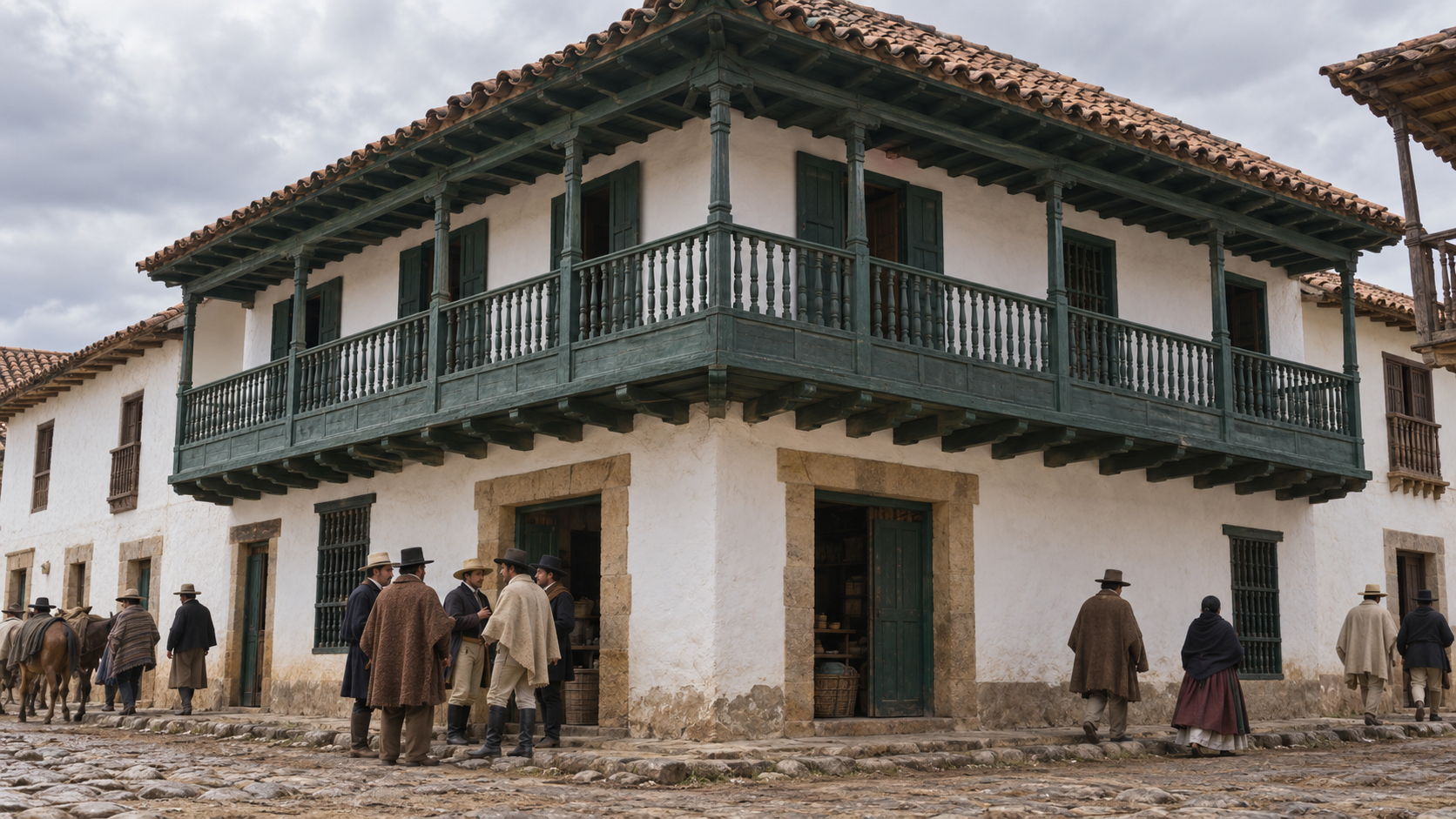
The familiar story centers on a dispute involving the Spanish merchant José González Llorente and a requested object for a banquet. Organizers used the confrontation to stir public action, but accounts differ over whether the item was a vase or another kind of decoration. The museum associated with the site treats those uncertainties as part of the object’s history. Reducing the episode to a broken vase also obscures its political setting. French occupation of Spain had created a crisis of monarchical authority, and governing juntas had appeared on both sides of the Atlantic. Other New Granadan cities had already formed their own juntas before the capital’s confrontation.
An extraordinary meeting of the local council began that evening as a crowd gathered in the public square. José Acevedo y Gómez acted as a leading representative in the discussions, and the record described the deposit of supreme government in a newly selected junta. The arrangement was provisional while a constitution and wider provincial representation were considered. Its language combined popular sovereignty and a proposed federal relationship with continued allegiance to Ferdinand VII. The viceroy, Antonio Amar y Borbón, was initially named president of the junta, illustrating the negotiated and unsettled character of the change. Public pressure and further decisions soon altered that initial arrangement.
The subsequent struggle for independence involved conflict and further declarations, rather than a single uninterrupted transfer on July 20. The day’s later national prominence reflects both the capital’s role and the political memory built around the event. Even the documentary record has its own history: the original act was destroyed in a fire in 1900, while earlier copies preserved its text. The Casa del Florero became a museum after restoration in 1960, helping make a local site part of national commemoration. July 20 thus links a specific crisis of government with a much longer process of state formation, and with continuing questions about how independence is remembered.
The junta was formed in the capital of New Granada. Other cities had already established governing juntas, so Bogotá’s action was part of a wider political movement.
The act retained allegiance to Ferdinand VII while asserting local political authority. Those provisions complicate a simple account of instant separation from Spain.
The Llorente incident became an enduring symbol. Contemporary accounts differ over the requested object, and the museum discusses those differences.
The local council and a gathered public played roles in the evening proceedings. The settlement contemplated provisional government and provincial representation.
The viceroy was initially chosen to preside over the new junta. His position changed amid further political pressure, showing that the first arrangement was unstable.
Copies preserved the act’s text after the original was lost in 1900. Later museum interpretation helped shape the national memory of July 20.
Explore more of "On This Day ..."
Discover more events from the same date across news, politics, technology, sports, and other fields. Each link highlights significant moments that shaped history on different fronts.