

On This Day in Politics: July 26, 1948
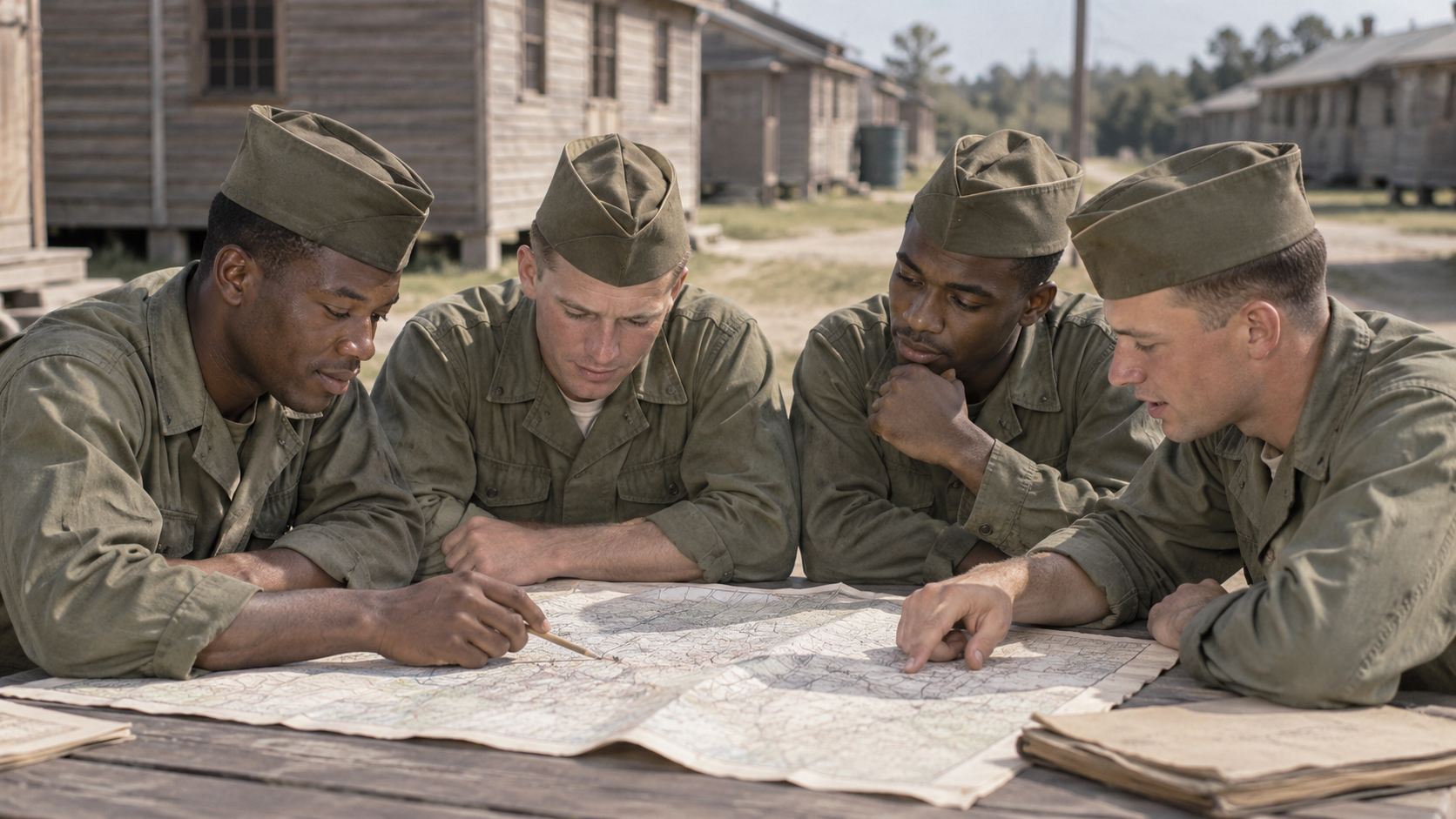
On July 26, 1948, President Harry S. Truman issued Executive Order 9981, declaring a policy of equal treatment and opportunity throughout the armed services without regard to race, color, religion or national origin. The order became a central milestone in military desegregation. It also created a presidential committee to examine service practices and recommend changes. The decision established a federal standard against which military policy could be measured. It did not instantly integrate every unit on the day Truman signed it. The transformation required further administrative decisions, sustained pressure and changes in daily practice across institutions with long histories of racial separation.
African Americans had served in large numbers during World War II while facing discrimination and restricted opportunities within the military. Their service made the contrast between defending democratic ideals and experiencing segregation especially clear. Civil rights advocates pressed Truman to act, including A. Philip Randolph, who warned in 1948 that Black youth would resist the draft unless segregation ended. The debate was therefore not solely an internal question of military organization. It involved citizenship, public responsibility and the terms on which Americans would be called to serve. Truman’s order brought presidential authority into an argument that servicemembers and activists had already been advancing for years.
Implementation became the work of the President’s Committee on Equality of Treatment and Opportunity in the Armed Services, chaired by Charles Fahy. Its inquiry considered recruitment, training, assignment and promotion, examining how regulations limited opportunity in practice. The committee’s 1950 report, Freedom to Serve, described policy changes adopted by the services and explained why racial restrictions wasted individual skills. It also recorded differences in the pace of reform. Those details show why desegregation involved more than issuing a broad declaration. Equal opportunity required opening jobs and schools, changing personnel assignments and making the new policy effective in barracks, workplaces and other parts of military life.
Further progress came during the Korean War. In 1951, the Defense Department announced integrated basic training in the United States, and the Army moved to integrate units in Korea, Japan and Okinawa. By 1953, the Army reported that most Black soldiers served in integrated units. These later milestones belong to the implementation history rather than to the signing ceremony itself. July 26 remains significant because the order committed the presidency to equality in military service and supplied a mechanism for pursuing it. Its legacy is best understood through the connection between the formal policy, the work needed to enforce it and the servicemembers whose opportunities gradually changed.
Executive Order 9981 declared equal treatment and opportunity across the armed services. Its policy covered race, color, religion and national origin.
The order did not integrate every unit immediately. Implementation required changes to regulations, assignments and everyday practice.
Civil rights advocates helped place military segregation on the presidential agenda. A. Philip Randolph’s pressure formed part of that effort.
Charles Fahy chaired the committee responsible for reviewing service practices. Its 1950 report documented reforms and remaining differences.
Training and unit integration advanced during the Korean War. Important implementation announcements followed in 1951.
The anniversary marks a policy commitment and an enforcement process. The eventual changes resulted from work extending beyond the signing day.
Explore more of "On This Day ..."
Discover more events from the same date across news, politics, technology, sports, and other fields. Each link highlights significant moments that shaped history on different fronts.