

On This Day in Politics: August 16, 1819
On August 16, 1819, cavalry attacked a large parliamentary reform meeting at St Peter's Field in Manchester, England, turning a peaceful gathering into the event remembered as the Peterloo Massacre. Tens of thousands of men, women, and children had assembled to hear the reform speaker Henry Hunt. Local magistrates ordered the leaders arrested and the crowd dispersed. The Manchester and Salford Yeomanry rode into the tightly packed gathering with sabres, and people were killed and hundreds injured. The name Peterloo linked the scene bitterly to Waterloo, contrasting a celebrated military victory abroad with violence against civilians at home.
The meeting expressed demands that industrial growth had made increasingly difficult for the political establishment to ignore. Manchester's expanding population did not have its own parliamentary representative, while voting remained confined to a small part of the population. Economic hardship after the Napoleonic Wars added urgency to calls for reform. Contingents marched from surrounding communities, bringing banners and organizing their arrival. Women were visible participants and organizers, including Mary Fildes of the Manchester Female Reform Society. Their involvement challenged assumptions about who belonged in public political life, even within a reform movement whose immediate suffrage demands were generally framed around men.
The attack made the treatment of political assembly a national issue. Witnesses, journalists, and artists disputed the authorities' version of what had happened and helped preserve evidence of the crowd's experience. Richard Carlile, a radical publisher and eyewitness, produced accounts and a commemorative print that gave women a prominent place in the scene. Those images were political arguments as well as records, and should not be treated as neutral photographs. The government responded to reform agitation with repression rather than an immediate expansion of representation. The Six Acts passed later in 1819 placed new restrictions on public meetings and radical publishing, making the massacre part of a continuing confrontation over political expression.
Peterloo's longer influence also traveled through literature and collective memory. Living in Italy, Percy Bysshe Shelley responded with The Mask of Anarchy, which became an important text for later protest movements. Research into his sources connects the poem with Carlile's radical reporting, while also distinguishing Shelley's emphasis on peaceful resistance from Carlile's response. The poem was first published in 1832, well after the massacre and Shelley's death. August 16 therefore marks both the destruction of a peaceful reform meeting and the beginning of a lasting argument about state power, representation, and public protest. The subsequent democratic struggle unfolded over generations; it was not resolved by the outrage of that single day.
Industrial Manchester's growth exposed a mismatch between population and parliamentary representation. The reform meeting brought that grievance into a public gathering.
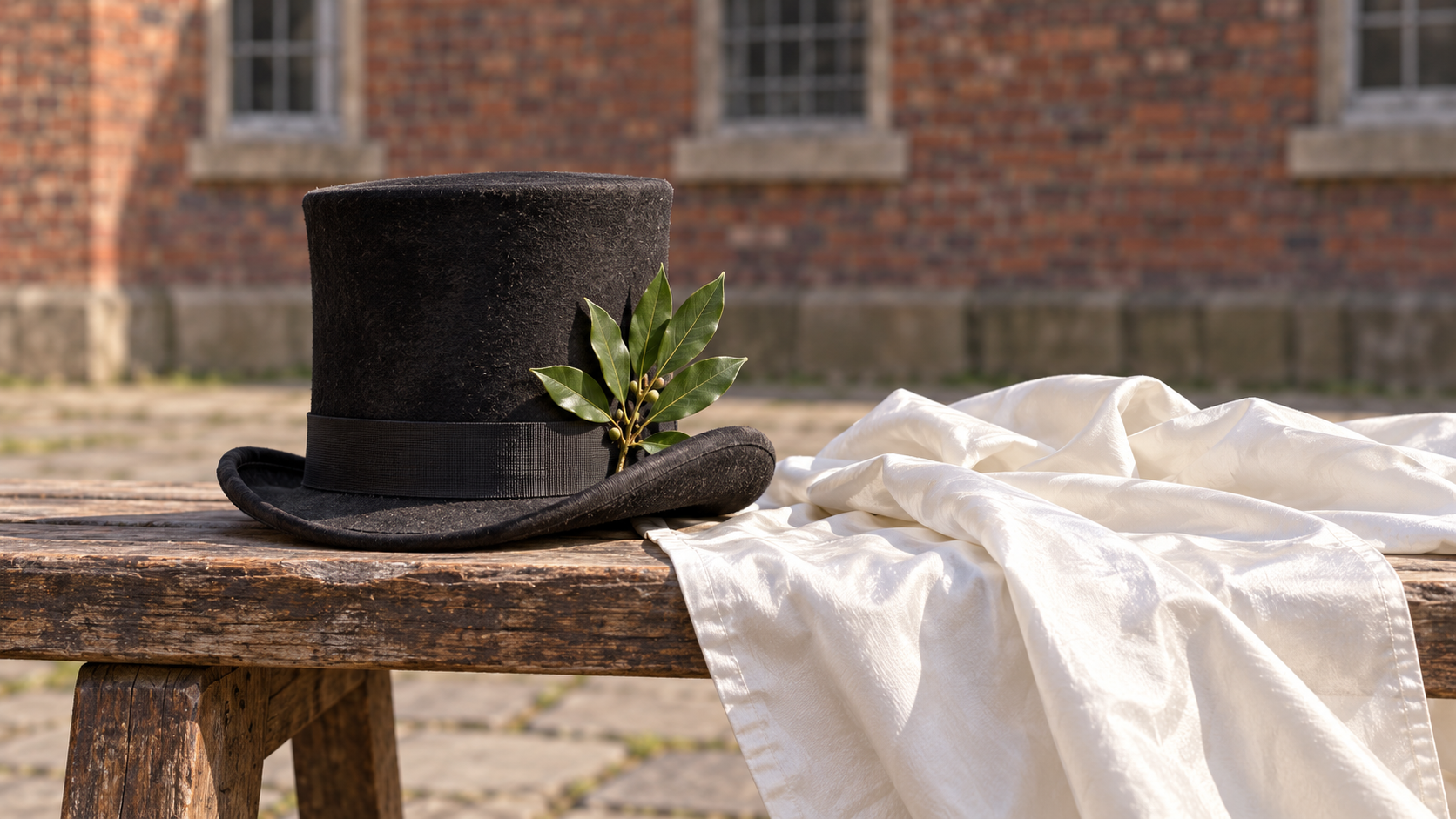
Contingents used banners and organized processions. Laurel worn by some leaders signaled peaceful intentions, while women helped give the demonstration its public character.
The magistrates' decision to arrest leaders and disperse the gathering put armed cavalry among densely assembled civilians, with lethal consequences.
Deaths from injuries after the gathering contributed to its continuing human cost. Historical casualty totals vary, but the deaths and hundreds of injuries are well documented.
Carlile's print and reports helped shape the event's memory. They are contemporary political representations, not mechanically recorded views of the scene.
Shelley's literary response circulated much later in print. Peterloo's legacy combines the immediate conflict with the ways subsequent reformers remembered it.
Explore more of "On This Day ..."
Discover more events from the same date across news, politics, technology, sports, and other fields. Each link highlights significant moments that shaped history on different fronts.