

On This Day in Politics: September 29, 1829
On September 29, 1829, the first Metropolitan Police patrols appeared on London's streets. Their deployment put Home Secretary Robert Peel's police reforms into daily practice, establishing a permanent, paid force intended to prevent crime through a regular visible presence. The new organization brought a broader system of supervision to policing across much of the growing capital. Its appearance was also politically controversial. Londoners had reasons to question whether a centrally organized force would protect their neighborhoods or become another instrument of government interference. The first patrols therefore marked both an institutional beginning and the start of a continuing argument about the proper use of police power.
London had not lacked law enforcement before the Metropolitan Police. Parish constables and watchmen performed local duties, the Bow Street Runners pursued offenders, and a separate river police organization protected trade on the Thames. The problem reformers identified was partly one of coordination: local arrangements did not provide a single consistent approach across the expanding city. Peel argued for full-time officers operating under common direction. Parliament's Metropolitan Police Act supplied the basis for the new force, which was organized under two commissioners and developed a network of geographical divisions. The change consolidated responsibility across a wider area without making every existing policing institution disappear at once.
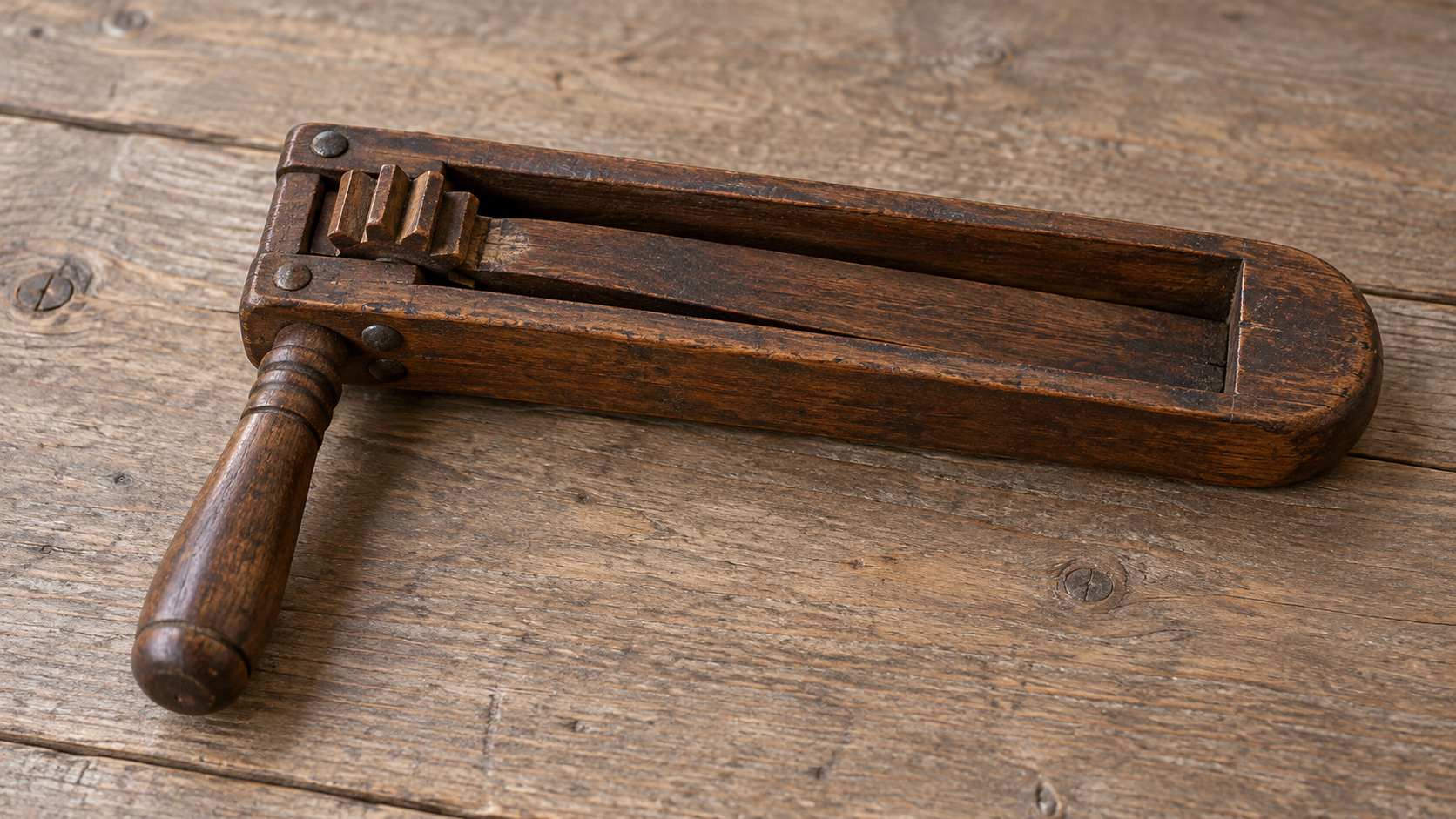
The first officers' appearance reflected the effort to distinguish civilian policing from military occupation. They wore top hats rather than the helmets associated with later Victorian police, and their equipment included truncheons and wooden rattles for attracting help. Regular patrols were meant to discourage offenses before they occurred, not simply to pursue suspects afterward. That preventive ambition required officers to become a familiar presence in the streets. Familiarity did not guarantee acceptance, however. Hostility, abuse, and suspicion accompanied the force's early work, reminding its organizers that legal authority alone could not establish a cooperative relationship with the people they were expected to police.
The organization that began patrols in 1829 also differed substantially from the later Metropolitan Police. A dedicated detective branch came afterward, as did changes in uniforms, equipment, recruitment, and operational responsibilities. The City of London remained outside the force's ordinary territorial remit and maintained a separate policing tradition. It would be misleading to describe September 29 as the invention of policing itself or the immediate creation of the modern service in all its forms. Its significance lies in the introduction of a lasting model of regular urban patrol under centralized direction. The tensions visible at its beginning, between effectiveness, public consent, and control over coercive authority, remained central to the institution's development.
Watchmen, constables, and specialist officers predated the Met. The reform changed organization and scale rather than creating the first effort to enforce law in London.
Peel's proposal connected crime prevention with permanent paid employment. Regular patrol was intended to make intervention possible before an offense escalated.
The new force initially operated under two commissioners. Geographical divisions provided a structure for deploying and supervising officers.
The City of London was distinct from the wider metropolitan area. The force's establishment did not give it a single undivided jurisdiction over every part of the capital.
Rattles and top hats belong to the early force's equipment. Familiar later police helmets and whistles should not be projected backward into its first patrols.
Preventive policing required more than a statute and a uniform. Public cooperation, disciplined conduct, and limits on state power became continuing tests of the new organization.
Explore more of "On This Day ..."
Discover more events from the same date across news, politics, technology, sports, and other fields. Each link highlights significant moments that shaped history on different fronts.