

On This Day in Politics: September 30, 1966
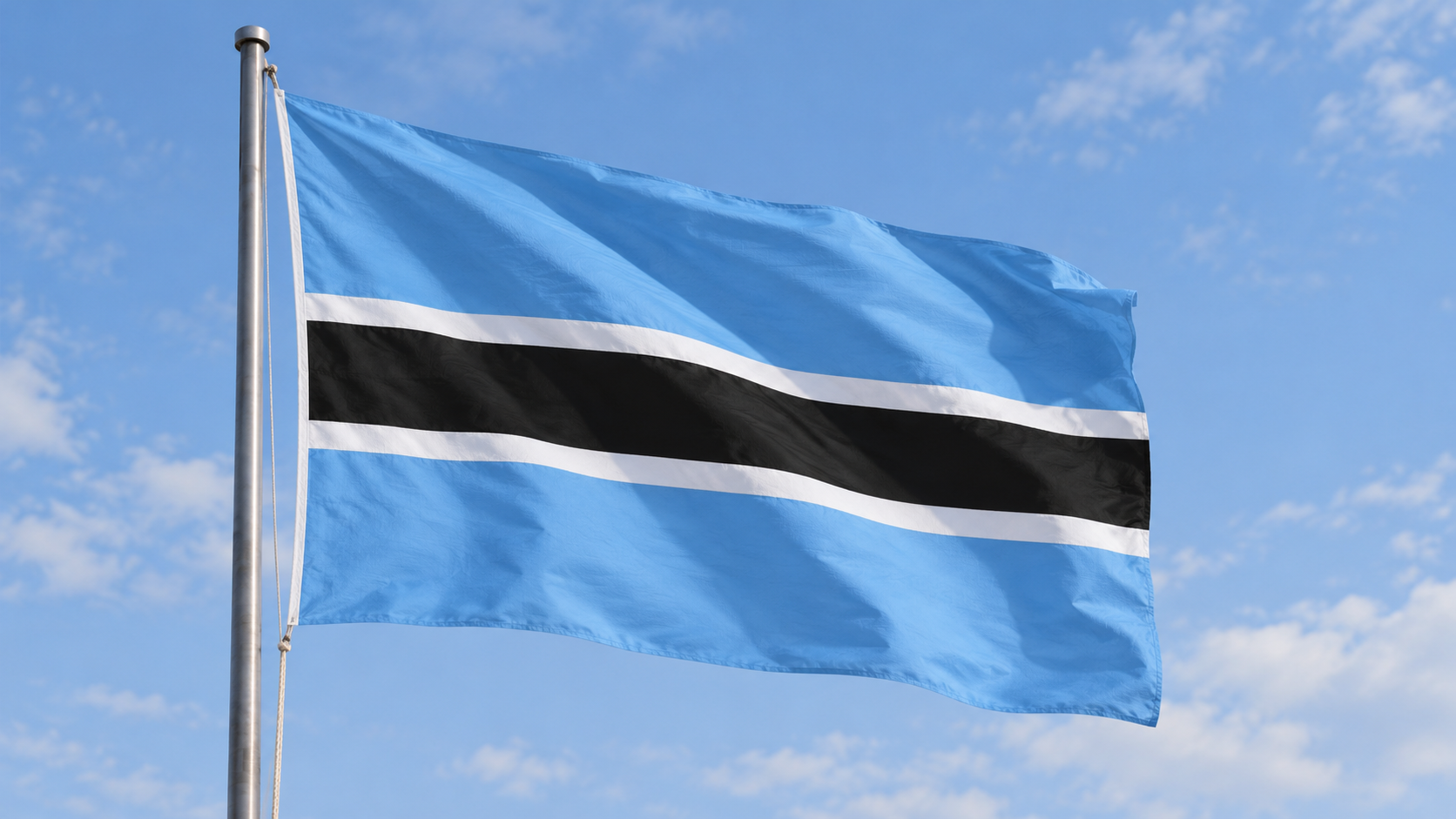
On September 30, 1966, the Bechuanaland Protectorate became the independent Republic of Botswana. The transition ended British protectorate rule and placed national sovereignty in the institutions of the new republic. Seretse Khama, who had served as prime minister during the period of self-government, became its first president. Independence celebrations in Gaborone gave the change a visible public form: at midnight, the Union Jack came down and Botswana's blue, black, and white flag was raised. The ceremony marked the beginning of a new constitutional order, while the practical work of governing an independent country extended far beyond the raising of a flag.
The transfer followed a process of political preparation rather than a sudden administrative break. Elections in March 1965 had established a government led by Khama, while the British monarch remained head of state. Constitutional talks in London during 1966 brought together government and opposition representatives alongside traditional leadership and British officials. The resulting settlement provided a framework for an independent republic. This sequence gave Botswana institutions through which to manage the handover, but it also required decisions about how elected representatives, the executive, and customary authority would relate to one another. Independence therefore involved both a transfer of external sovereignty and the design of internal governing arrangements.
The constitution combined features of parliamentary government with an executive presidency. Khama became both head of state and head of government, and Quett Masire became vice-president. Parliament and the National Assembly provided representative institutions, while the House of Chiefs had an advisory role concerning specified matters. These arrangements did not reproduce the British system unchanged: replacing the monarch with an executive president gave the new state a different constitutional center. Nor did the handover mean that Botswana would immediately sever every connection with Britain. Plans for continued aid and technical assistance reflected the difference between achieving political independence and becoming economically self-sufficient at the same moment.
The national symbols conveyed some of the aspirations attached to the transition. The flag's light blue field evoked water and rain, while its black stripe bordered in white expressed a commitment to racial harmony. Those meanings had particular weight in a region marked by racial exclusion and minority rule. Symbols could express an ambition, however, without guaranteeing that every future political or economic challenge had been solved. Botswana still had to build administrative capacity, support development, and give substance to its constitutional commitments. September 30 matters as the date when responsibility for that future passed to an independent republic. The ceremonies announced sovereignty; the institutions and choices that followed would determine how it was exercised.
Self-government after the 1965 election preceded full sovereignty. Khama first led the government as prime minister before becoming president at independence.
The 1966 constitutional negotiations included opposition and traditional representatives as well as government leaders. The settlement addressed the organization of the future republic.
Independence changed the head of state and the country's international status. The new presidency combined ceremonial and executive responsibilities.
Continued British assistance was compatible with sovereignty. The constitutional handover did not itself remove the country's development needs or external economic connections.
The flag's blue, black, and white design has remained a recognizable national symbol. Its meanings connected environmental realities with an aspiration toward racial harmony.
A constitution establishes institutions, but their operation depends on later political choices. Botswana's independence began that responsibility rather than completing it in a single day.
Explore more of "On This Day ..."
Discover more events from the same date across news, politics, technology, sports, and other fields. Each link highlights significant moments that shaped history on different fronts.