

On This Day in Politics: October 3, 1990
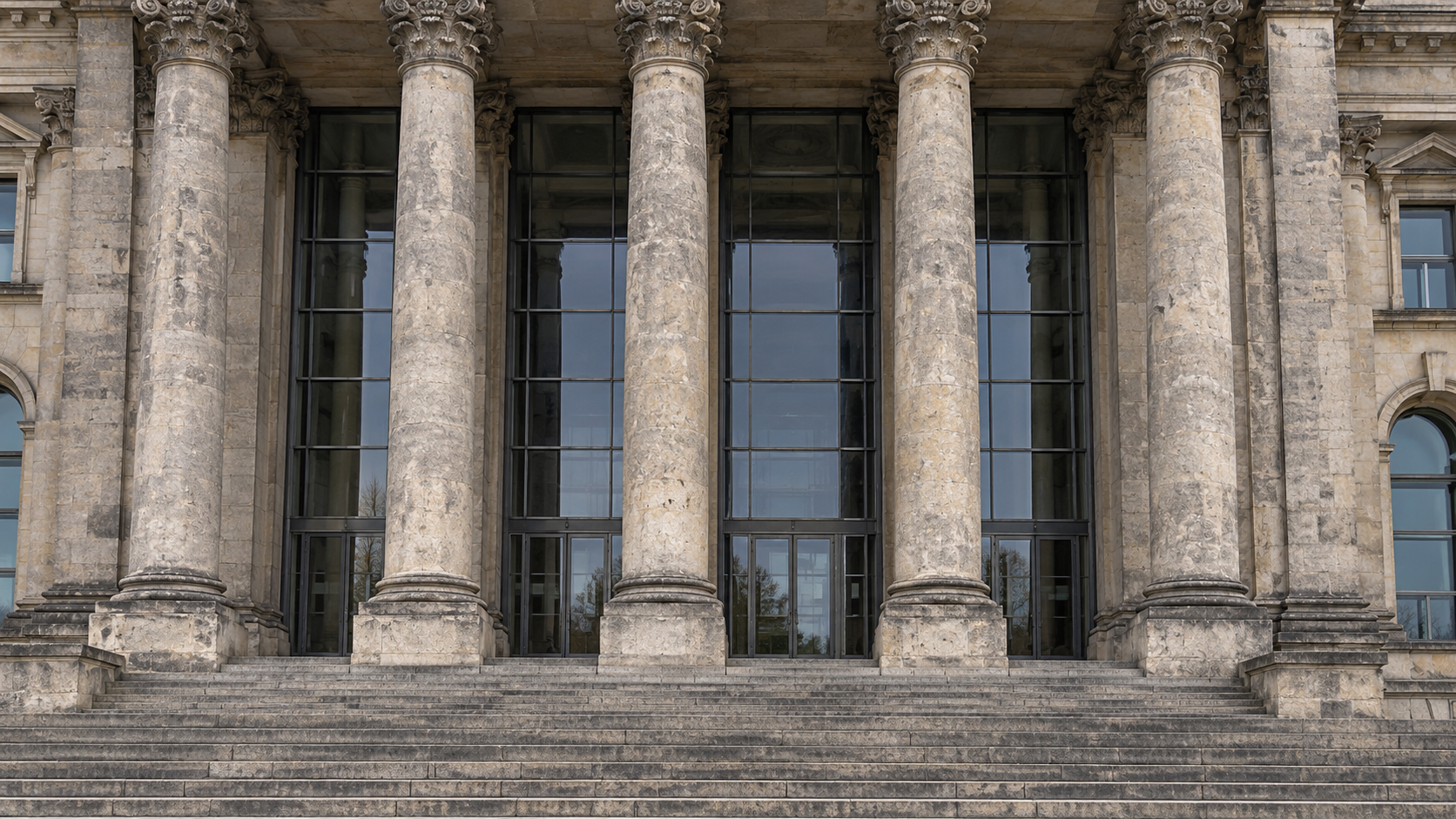
On October 3, 1990, Germany became one state again when the German Democratic Republic joined the Federal Republic of Germany. At midnight, the legal division between the two German states ended, and celebrations in Berlin gave the constitutional change a public setting. Federal leaders, including Chancellor Helmut Kohl, joined the observances outside the Reichstag. The moment came less than a year after the opening of the Berlin Wall, but it was a different kind of event. November 1989 had broken a barrier to movement; October 1990 changed the territory, institutions and political membership of the German state.
Reunification followed the collapse of communist rule in East Germany and negotiations over the terms of joining the Federal Republic. The two governments signed their Unification Treaty on August 31, 1990, setting out the domestic arrangements and transitional provisions. Its approach used accession under the existing Basic Law rather than creating an entirely new state with a replacement constitution. Brandenburg, Mecklenburg-Western Pomerania, Saxony, Saxony-Anhalt and Thuringia became states within the Federal Republic, while Berlin's division also ended. The treaty addressed questions reaching well beyond a national border: administration, public finance, cultural institutions and the application of laws all required rules for moving from two systems into one.
When accession took effect on October 3, the German Democratic Republic ceased to exist as a separate state. Its last parliamentary sitting had taken place the previous day. The enlarged Federal Republic continued under its established constitutional framework, which now applied across the reunited country. Berlin became the capital, but the location of parliament and the federal government's seat still required a later decision. Reunification therefore did not mean that every institution physically moved to Berlin overnight. The treaty also designated October 3 as the Day of German Unity, giving the legal date of accession a place in the national calendar alongside the better-known images of the Wall opening.
For people on both sides of the former border, unity involved more than flags and official ceremonies. Different administrative practices, economic structures and life experiences had to be brought into a shared political order. The end of state division opened opportunities, but it also produced disruption and disagreements about the costs and benefits of integration. Those experiences continued long after the midnight celebration. The achievement of October 3 lies in the peaceful establishment of one constitutional state after decades of separation, rather than in a claim that all differences disappeared. The anniversary marks a completed legal transition and a continuing social undertaking: building common institutions while recognizing that the histories people brought into them were not identical.
The Wall's opening in November 1989 did not itself dissolve the two German states. Reunification required a later legal settlement between their governments.
The August 1990 Unification Treaty specified accession through the existing Basic Law. It provided detailed transitional arrangements instead of treating unity as only a ceremonial declaration.
East Germany's final parliamentary sitting occurred on October 2. Its disappearance as a separate state followed when accession took effect at midnight.
Berlin's status as capital and the physical location of federal institutions were separate questions. The government's move was not completed on reunification day.
October 3 became the national unity holiday because it was the legal date of accession. Its significance differs from the November anniversary of the Wall opening.
A common constitutional framework could be established on a defined date. Integrating workplaces, public administration and individual experiences required a much longer process.
Explore more of "On This Day ..."
Discover more events from the same date across news, politics, technology, sports, and other fields. Each link highlights significant moments that shaped history on different fronts.