

On This Day in Politics: October 2, 1958
On October 2, 1958, Guinea proclaimed independence in Conakry, ending French colonial rule and establishing a republic led by Ahmed Sékou Touré. The declaration gave formal political expression to a decision voters had made only days earlier. In the September 28 referendum on France's proposed constitutional arrangements, Guinea rejected membership in the new French Community. Its leadership chose immediate sovereignty over the continued association accepted elsewhere in French sub-Saharan Africa. The October proclamation was therefore a distinct step: the referendum had rejected a proposed framework, while the declaration announced the independent state that would take its place.
Touré and the Democratic Party of Guinea had built a strong political organization before the break. Their campaign connected demands for national dignity with opposition to continued colonial authority. France's constitutional change offered overseas territories greater autonomy within a community linked to Paris, but it left the question of sovereignty at the center of political argument. Guinea's rejection challenged the expectation that the territories would move together through that arrangement. It also made the consequences of independence unusually immediate. Rather than treating freedom as a distant objective to be reached through further negotiation, the Guinean leadership committed itself to administering a sovereign country almost at once, with Conakry as its capital and Touré as its first president.
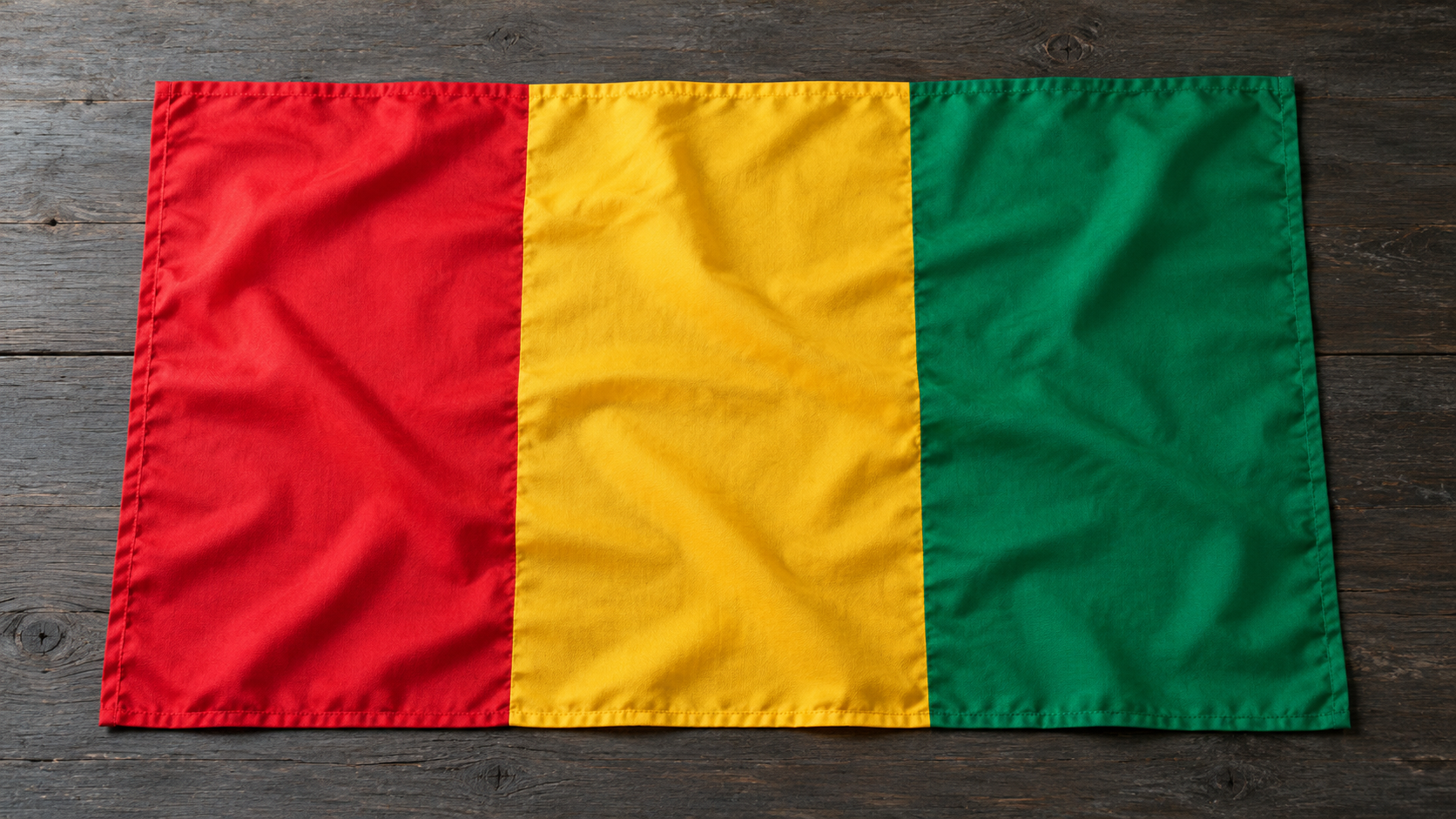
France's rapid withdrawal of personnel and support made the new republic's first months difficult. Independence created authority to determine national policy, but it did not instantly supply the administrative capacity or external assistance needed to carry it out. Guinea had to maintain public services, secure international relationships and find resources outside the former colonial relationship. Recognition proceeded through separate decisions by other governments. The United States, for example, recognized Guinea on November 1, a month after the proclamation. The country's familiar red, yellow and green flag also belongs to the subsequent consolidation of independence: it was adopted on November 10, 1958. Those later dates matter because the institutions and symbols associated with a new state do not necessarily appear together on its founding day.
The break became a striking example of an African territory refusing a constitutional settlement offered by its colonial ruler. Yet independence and political freedom within the new country were not the same outcome. Touré's government later concentrated power around the ruling party and repressed dissent. The proclamation did not guarantee competitive elections, protected opposition or accountable institutions. Remembering October 2 requires holding both developments in view without collapsing them into a single story of either triumph or failure. Guinea secured the right to act as an independent republic; the use of that power remained a separate and contested question. Its founding anniversary marks the assertion of sovereignty and the beginning of the responsibilities that followed.
The September referendum and October declaration performed different roles. A rejection of the French Community came first; the republic's formal proclamation followed.
Touré's party already had a strong territorial political base. Independence therefore emerged through organized campaigning as well as a constitutional confrontation with France.
The withdrawal of French personnel and support exposed the practical demands of running a new state. Sovereignty did not remove dependence on skills, revenue and external cooperation.
International recognition was not a single worldwide act. The United States made its recognition decision on November 1, 1958, after Guinea's proclamation.
The national flag was adopted on November 10. Its use as an independence symbol should not be mistaken for evidence that it appeared at the October 2 proclamation.
Later repression under Touré demonstrates the difference between national self-determination and political rights within a state. Independence settled colonial status, not every question of governance.
Explore more of "On This Day ..."
Discover more events from the same date across news, politics, technology, sports, and other fields. Each link highlights significant moments that shaped history on different fronts.