

On This Day in Pop: March 4, 1966
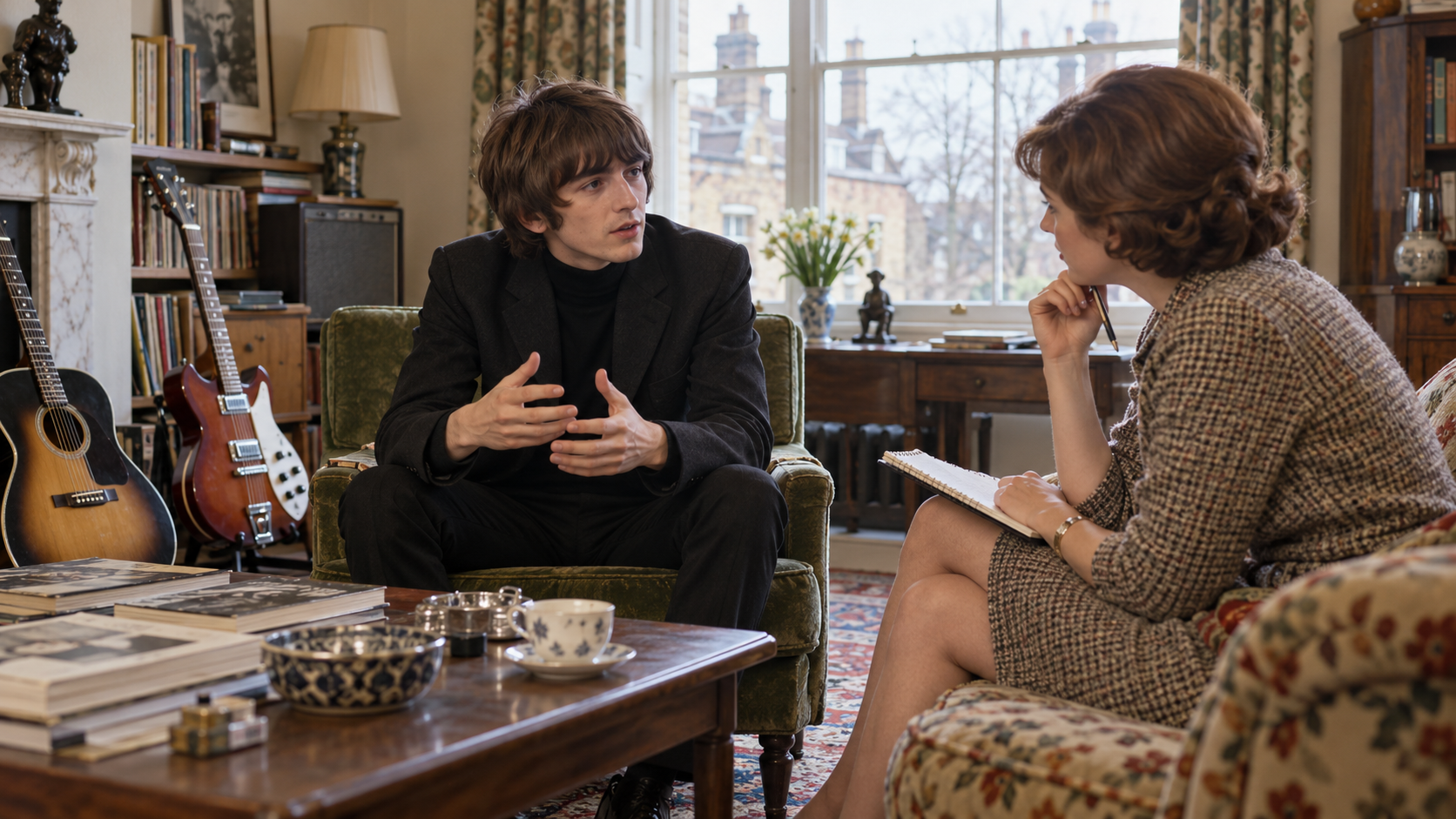
On March 4, 1966, the London Evening Standard published journalist Maureen Cleave’s interview with John Lennon. In a wide-ranging portrait, Lennon reflected on fame, reading, religion and social change, saying that Christianity would shrink and that the Beatles had become “more popular than Jesus.” In Britain the comment caused relatively little disturbance because readers encountered it inside a long, conversational profile rather than as a banner headline. Seen in its own time, the occasion was more than a tidy calendar entry. It emerged from choices by performers, writers, technicians, executives and audiences, each working within the opportunities and constraints of the period. Restoring that setting keeps the story human and specific instead of treating a complicated cultural shift as inevitable.
The controversy erupted months later when the American teen magazine Datebook reprinted the remark before the Beatles’ U.S. tour. Radio stations in parts of the South stopped playing the group, public burnings targeted records and memorabilia, and threats intensified an already exhausting touring schedule. Lennon addressed reporters in Chicago, explaining that he had been observing the Beatles’ influence rather than claiming religious superiority. The clarification competed with the force of the isolated phrase. The reaction also shows how popular culture gathers momentum. A premiere, broadcast, release or public appearance can feel self-contained on the day, yet its meaning expands through reviews, radio, television, sales, conversation and imitation. Those channels reach people unevenly, but together they can turn one event into a reference point that later work follows, revises or rejects.
The episode became a landmark in celebrity-media dynamics: context collapsed, a quotation crossed markets, and outrage fed its own publicity. It also exposed how quickly pop stars could become symbols in arguments larger than their work. The Beatles completed the tour but soon retired from live performance, a decision with several causes. Remembering the original publication date restores the interview around the line and reveals how circulation transformed its meaning. That longer view is why the date still matters. It opens a door onto changes involving many contributors, including people whose labor was less visible than the headline names. Recordings, films, photographs and documents allow later audiences to reconsider both the achievement and its limits. Pop history is strongest when celebration is paired with context, and this anniversary leaves room for both. Its afterlife also shows that cultural memory is active: anniversaries, restorations, reissues and fresh criticism keep changing which details receive attention and which assumptions are questioned. Looking back does not mean pretending everyone experienced the moment alike; it means noticing the distance between a public milestone, the industry around it and the private reactions beyond the spotlight.
Maureen Cleave’s London profile placed Lennon’s remark inside a broader conversation about faith, fame and modern life.
The setting and sequence matter because they show how John Lennon’s controversial interview reached the public on this particular date.
A later American reprint stripped away much of that context and prompted boycotts, record burnings, threats and an apology.
The immediate response traveled through the era’s available channels, from press and broadcast coverage to ticket buyers, listeners and viewers.
The controversy remains a defining example of how a quote can change meaning when celebrity, media framing and culture collide.
Its reputation has kept developing through preservation, scholarship, revival and the interpretations of later audiences.
Explore more of "On This Day ..."
Discover more events from the same date across news, politics, technology, sports, and other fields. Each link highlights significant moments that shaped history on different fronts.