

On This Day in Pop: March 28, 1963
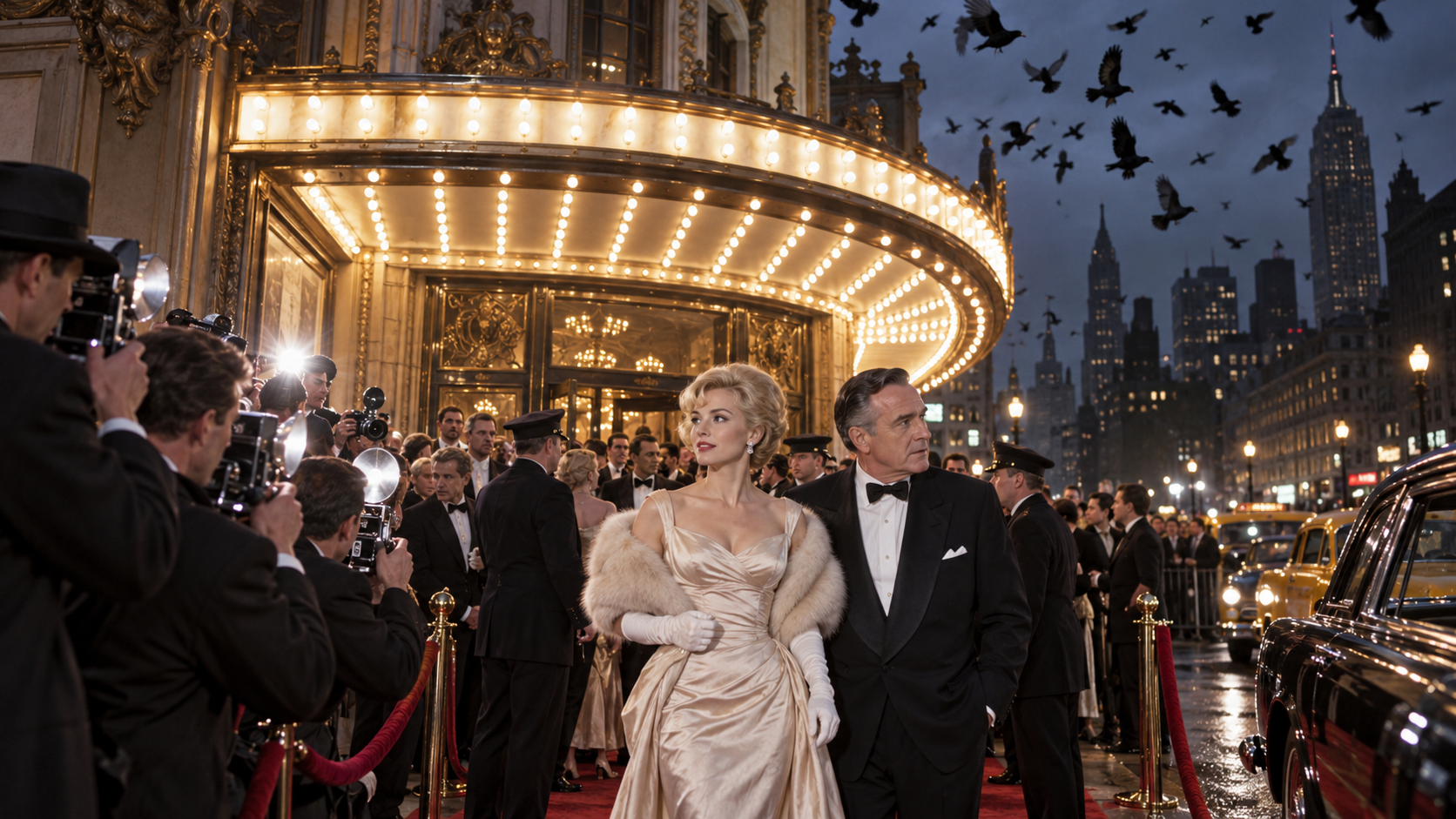
On March 28, 1963, Alfred Hitchcock’s The Birds held its world premiere at New York’s RKO Palace Theatre. Adapted loosely from Daphne du Maurier’s story, the film follows unexplained bird attacks around Bodega Bay, California. Tippi Hedren starred in her first major film role opposite Rod Taylor. Hitchcock withheld a conventional musical score, using electronic bird sounds, silence and environmental noise to make ordinary skies feel unstable. Seen in its own time, the occasion was more than a tidy calendar entry. It emerged from choices by performers, writers, technicians, executives and audiences, each working within the opportunities and constraints of the period. Restoring that setting keeps the story human and specific instead of treating a complicated cultural shift as inevitable.
The production combined trained animals, mechanical birds, matte paintings and optical effects in demanding sequences. Because the attacks receive no final explanation, viewers cannot contain the threat within a monster’s motive or a scientific solution. The film also builds discomfort through social suspicion: as danger grows, characters search for someone to blame. Its technical spectacle supports a colder idea—that nature may remain indifferent to the stories people invent about it. The reaction also shows how popular culture gathers momentum. A premiere, broadcast, release or public appearance can feel self-contained on the day, yet its meaning expands through reviews, radio, television, sales, conversation and imitation. Those channels reach people unevenly, but together they can turn one event into a reference point that later work follows, revises or rejects.
The Birds became one of Hitchcock’s most recognizable works, inspiring imitation, parody and continued study of sound and visual effects. Later accounts of Hedren’s treatment during filming changed how audiences evaluate the director’s methods and the cost behind famous scenes. The premiere date therefore holds both artistic achievement and production ethics in view, allowing admiration of the film’s craft without turning hardship into romantic legend. That longer view is why the date still matters. It opens a door onto changes involving many contributors, including people whose labor was less visible than the headline names. Recordings, films, photographs and documents allow later audiences to reconsider both the achievement and its limits. Pop history is strongest when celebration is paired with context, and this anniversary leaves room for both. Its afterlife also shows that cultural memory is active: anniversaries, restorations, reissues and fresh criticism keep changing which details receive attention and which assumptions are questioned. Looking back does not mean pretending everyone experienced the moment alike; it means noticing the distance between a public milestone, the industry around it and the private reactions beyond the spotlight.
The New York premiere introduced an unexplained natural threat built through trained birds, mechanical effects and electronic sound.
The setting and sequence matter because they show how The Birds world premiere reached the public on this particular date.
Audiences confronted a horror film without a reassuring cause, while its attack sequences displayed unusually complex effects work.
The immediate response traveled through the era’s available channels, from press and broadcast coverage to ticket buyers, listeners and viewers.
The film remains a suspense landmark, even as Hedren’s accounts have prompted a harder examination of Hitchcock’s power on set.
Its reputation has kept developing through preservation, scholarship, revival and the interpretations of later audiences.
Explore more of "On This Day ..."
Discover more events from the same date across news, politics, technology, sports, and other fields. Each link highlights significant moments that shaped history on different fronts.