

On This Day in Pop: November 1, 1968
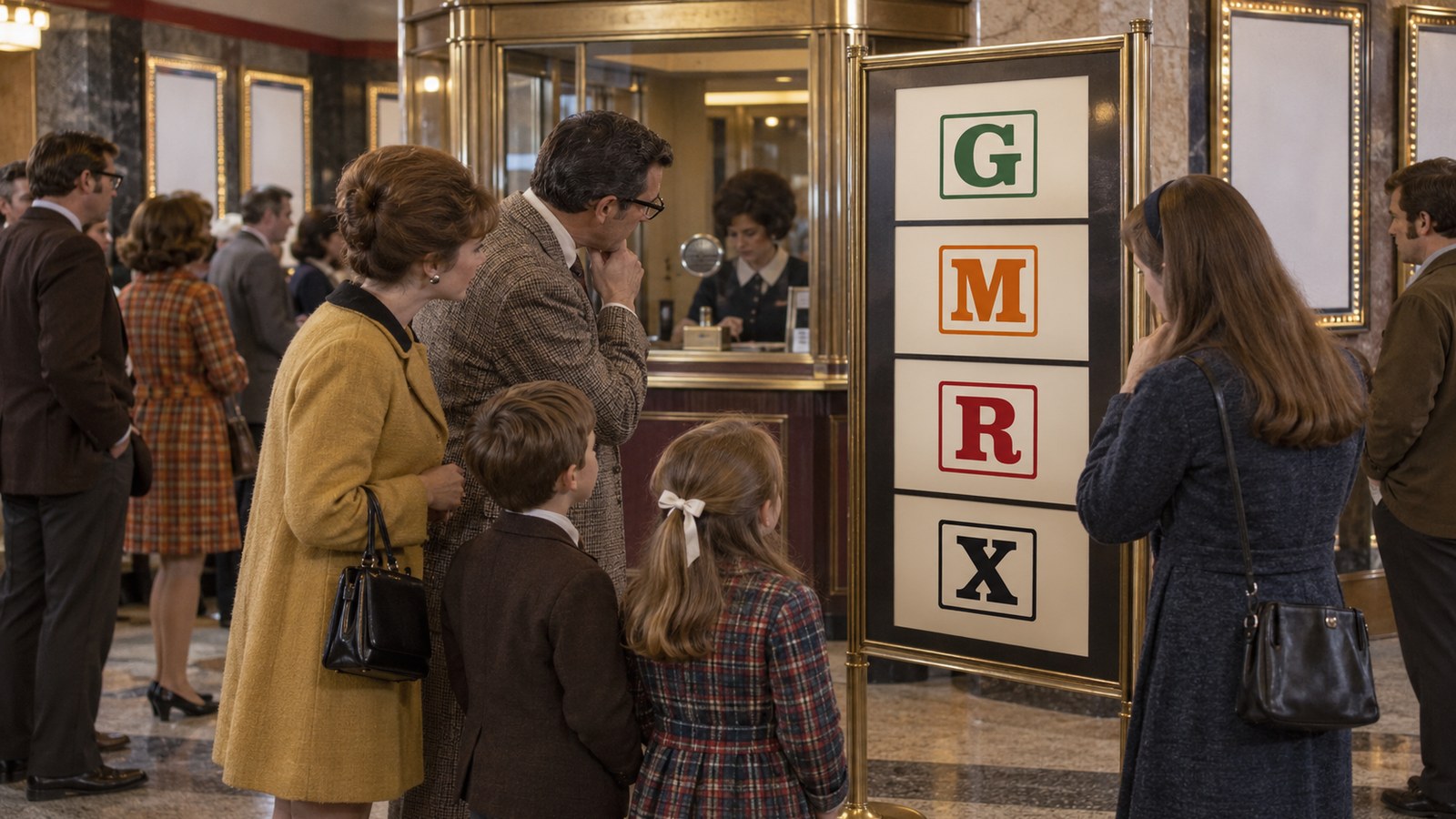
On November 1, 1968, the Motion Picture Association introduced its voluntary movie-rating system in the United States. The original categories were G, M, R and X, replacing a fading Production Code with age-based guidance for parents and theaters. The change arrived as filmmakers pushed toward subjects and language that older censorship rules had constrained. MPAA president Jack Valenti developed the system with the National Association of Theatre Owners and international distributors. Participation was voluntary, but the ratings quickly became part of exhibition, advertising and audience expectations. The date captures the event before later reputation made its consequences look inevitable, when audiences encountered a new release, performance or institution with only the expectations available at the time.
Ratings promised greater creative freedom while transferring important judgments about access to an industry board. The letters looked simple, yet their definitions, enforcement and effects on financing would remain contested. Popular culture is never made by a famous name alone. Writers, performers, producers, technicians, broadcasters, retailers, venues and audiences shape what becomes visible and what survives. Their collaboration also determines which experiments reach the public and which disappear before they can build momentum. Looking at those conditions turns an anniversary from a list entry into a record of choices, limits and competing interests.
The M category became GP and then PG, while PG-13 was added in 1984. The X category, never trademarked, was replaced by NC-17 as the association tried to separate adult classification from exploitation marketing. That afterlife matters because influence does not move in a straight line. Reruns, reissues, new technology, criticism and community memory can change the meaning of a work long after its first appearance. Durable pop history therefore holds creative achievement beside questions of labor, access, power and representation.
The rollout changed how Americans discuss movies before seeing them. A small symbol now mediates between art, commerce, parental choice and the practical power of theaters to admit or exclude viewers. Returning to this November date means separating what participants knew then from what later audiences added. Recordings, photographs, broadcasts and recollections keep the moment active, but they also select and reshape it. That distinction protects against hindsight: a chart position, premiere, publication, concert or opening may become a neat milestone later, but the people present still faced uncertainty. Reading the moment in both directions—through its original conditions and its accumulated meanings—keeps celebration from replacing history. The distance between the immediate event and its continuing interpretation is what makes this episode worth revisiting.
The modern U.S. film-rating system began on November 1, 1968.
On November 1, 1968, the Motion Picture Association introduced its voluntary movie-rating system in the United States. The original categories were G, M, R and X, replacing a fading Production Code with age-based guidance for parents and theaters.
Its original categories were G, M, R and X.
Ratings promised greater creative freedom while transferring important judgments about access to an industry board. The letters looked simple, yet their definitions, enforcement and effects on financing would remain contested.
Jack Valenti led the MPAA when the system was introduced.
The M category became GP and then PG, while PG-13 was added in 1984. The X category, never trademarked, was replaced by NC-17 as the association tried to separate adult classification from exploitation marketing.
Explore more of "On This Day ..."
Discover more events from the same date across news, politics, technology, sports, and other fields. Each link highlights significant moments that shaped history on different fronts.