

On This Day in Science: April 28, 2001
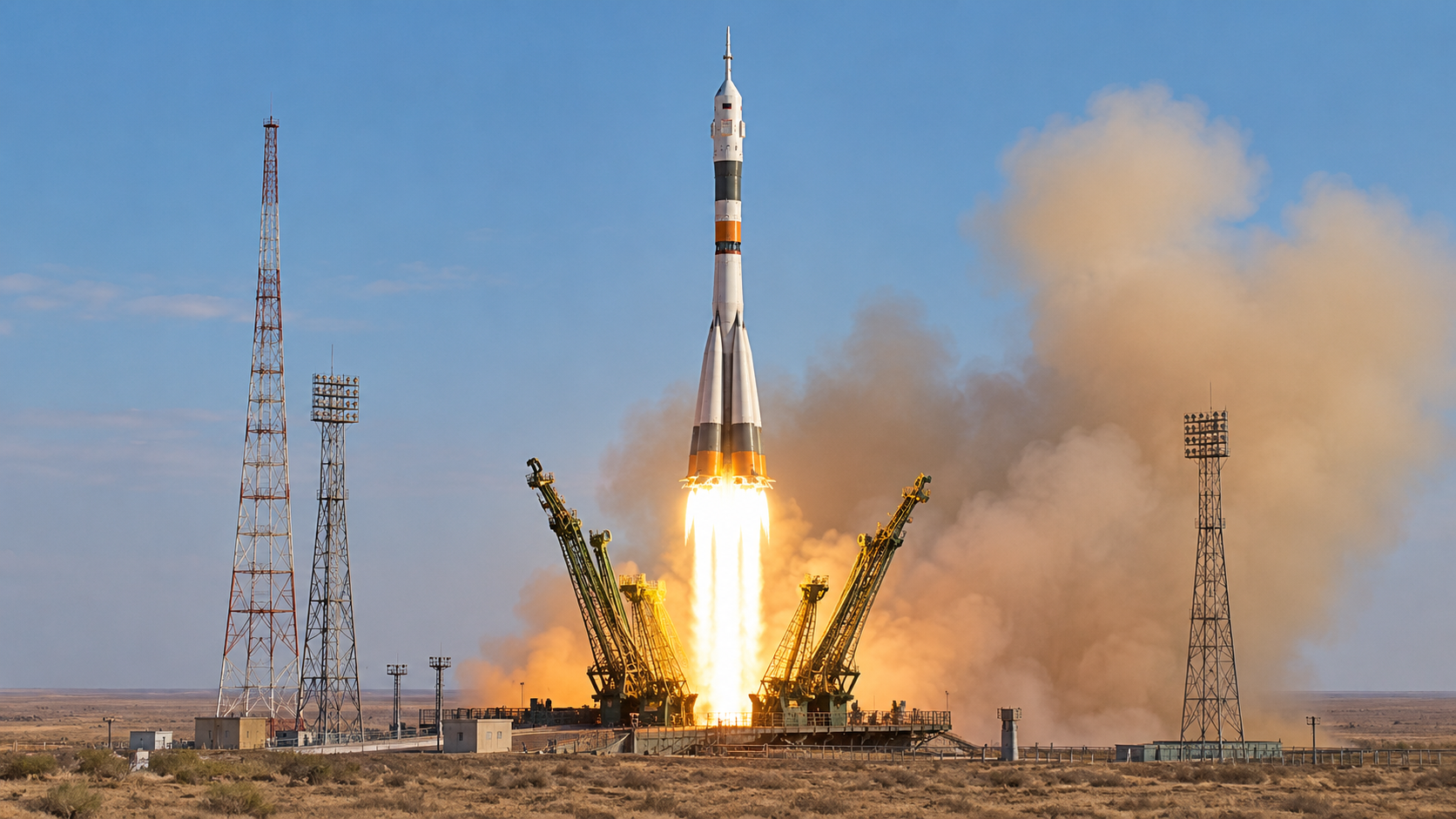
On April 28, 2001, Soyuz TM-32 launched from Baikonur carrying cosmonauts Talgat Musabayev and Yuri Baturin with American engineer and businessman Dennis Tito. Tito had paid for his flight and trained for the mission, becoming the first self-funded private visitor to the International Space Station. The spacecraft docked two days later and returned a different station crew to Earth.
The flight prompted disagreement among station partners about training, safety, scheduling, and responsibility. The International Space Station was still early in assembly, and NASA initially opposed bringing a nonprofessional visitor into a demanding work environment. The partners ultimately granted an exemption after additional planning and conditions, demonstrating how international governance had to adapt alongside the hardware.
Tito participated in training and carried out personal observations and photography during nearly eight days in space. He was not the first civilian in orbit or the first privately employed astronaut, but his payment model created a distinct category of private spaceflight participant. Later visitors followed through Russian Soyuz missions, and commercial human-spaceflight plans expanded.
The launch marked a change in access rather than a new scientific instrument. Its relevance to science lies in the operational questions it raised: how training standards, medical screening, risk, crew workload, and limited station resources should apply when missions include private participants. Those questions remain central as commercial flight grows. Its calendar date is an entry point, not an endpoint. The people involved worked with the instruments, assumptions, and social conditions of their time, and later research has both extended and corrected their conclusions. Separating what was known that day from what became clear afterward protects the history from myth and shows how cumulative evidence turns an episode into lasting scientific knowledge. For science history, the event also shows how evidence moves from an observation or engineered test into a durable body of knowledge. Instruments supplied measurements, specialists debated interpretation, and later work refined what the first result could mean. Archives preserve the early record while new methods let researchers ask different questions of it. That continuing revision is the process through which a dated milestone remains scientifically useful. Seen across a longer timeline, scientific milestones are junctions rather than isolated beginnings. Earlier experiments, tools, and institutions made the work possible, while later teams tested its limits and carried the result into new settings. What survives is a traceable chain of evidence, correction, and application that allows one moment to remain relevant as knowledge and technology continue to change.
Tito paid for training and a seat on a Soyuz taxi mission to the station.
He launched with Musabayev and Baturin from Baikonur.
Station agencies debated training, safety, scheduling, and responsibility.
An exemption allowed the mission while broader participant standards were still being developed.
The flight established a category of private spaceflight participant rather than professional crew member.
Later commercial programs continue to refine medical, training, and operational requirements.
Explore more of "On This Day ..."
Discover more events from the same date across news, politics, technology, sports, and other fields. Each link highlights significant moments that shaped history on different fronts.