

On This Day in Tech: October 29, 1969
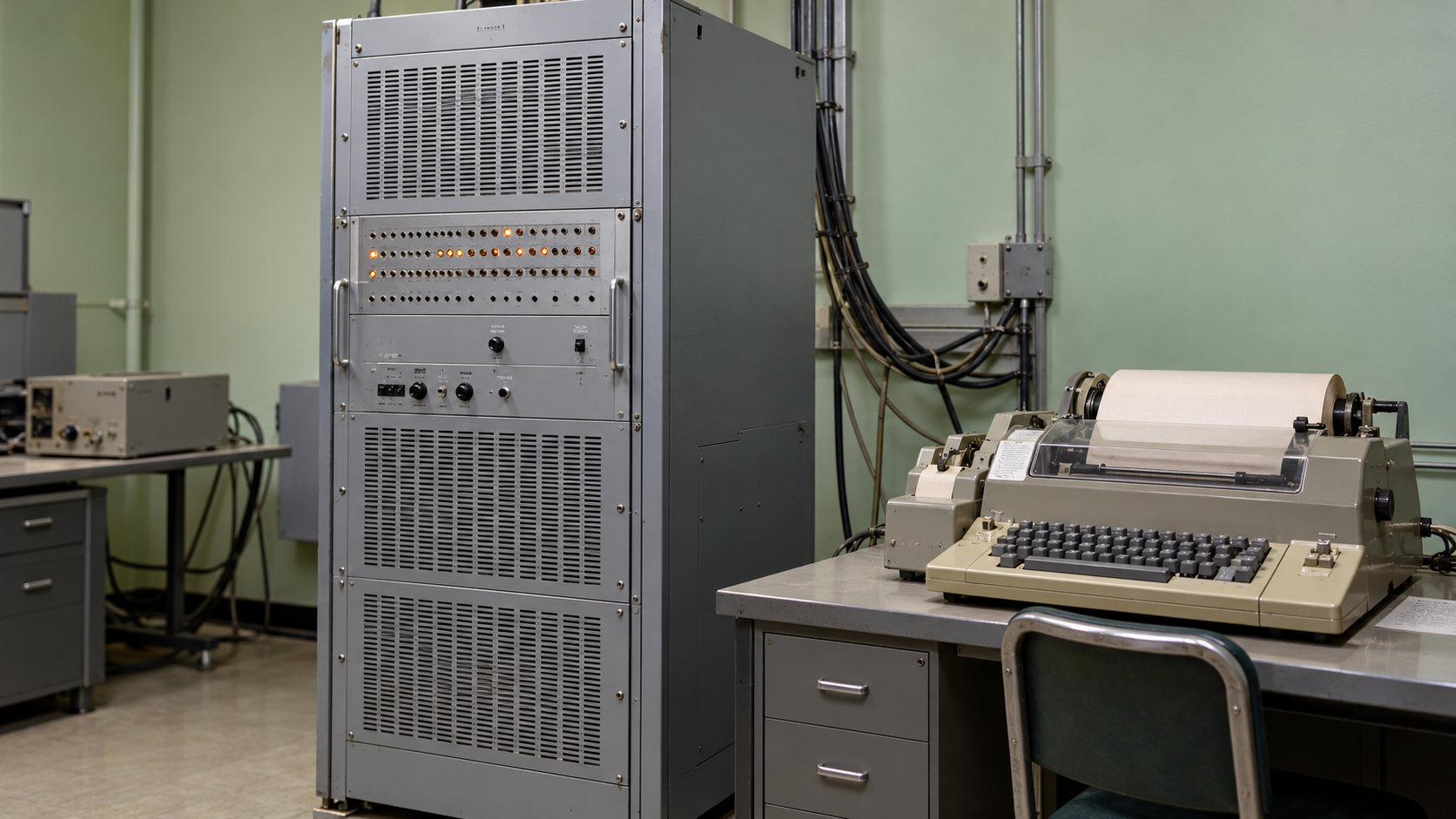
On October 29, 1969, a computer at the University of California, Los Angeles, sent the first host-to-host message over ARPANET to a computer at the Stanford Research Institute in Menlo Park. Programmer Charley Kline worked at UCLA’s SDS Sigma 7, while Bill Duvall monitored the receiving SDS 940 at SRI. The intended operation was a remote login. The letters L and O arrived before the receiving system crashed, producing the famous first fragment. A later attempt completed the login. The short exchange was an early operational milestone for a research network that would influence the development of the modern internet.
The computers were linked through Interface Message Processors, specialized machines built to handle network communication. These IMPs provided an interface between very different host computers and a packet-switching network. Rather than reserving an entire end-to-end circuit for one uninterrupted conversation, packet networking divided information into units that could be handled by the network. Making that useful required agreement about formats, timing, error handling, and the boundaries between host and network responsibilities. The experiment therefore involved more than a wire between two keyboards. It tested a collection of interfaces and procedures intended to allow computers at separate institutions to exchange information reliably.
UCLA’s surviving IMP log records the connection at 10:30 p.m., giving the event a specific documentary anchor. The operators also used a telephone to coordinate what they were seeing at each end. The initial failure is part of the history rather than an embarrassment to be omitted: a partial success showed that some layers worked while another problem still needed attention. This was not a public web page, an email sent through today’s services, or a complete modern internet appearing in one evening. The World Wide Web, widespread personal access, and later internetworking protocols belonged to subsequent developments involving many additional people and organizations.
ARPANET expanded beyond its first sites and became an important setting for research into shared computing resources and network communication. The later internet connected networks using common protocols, while applications developed their own ways of presenting information and supporting collaboration. The October message remains memorable because a large historical change can be traced to a modest, imperfect test between two machines. October 29 marks the beginning of host communication on this particular network, not the invention of every underlying idea. Its enduring engineering lesson is the value of testing real interfaces under operating conditions: progress often begins when a small amount of information crosses a boundary, a failure becomes visible, and the next attempt improves the system.
Kline at UCLA and Duvall at SRI attempted a remote login on October 29, 1969. The first two letters arrived before a crash interrupted the exchange.
The UCLA IMP log records the event at 10:30 p.m. A later attempt completed the intended login.
Interface Message Processors connected different host computers to the packet network. The exchange depended on several cooperating layers, not just a physical wire.
The first message was not a web page or modern email. Later protocols and applications were separate developments.
ARPANET became an important research environment for computer networking. The modern internet emerged through additional work connecting networks and standardizing communication.
The interrupted login is useful evidence about testing. Partial success and visible failure helped engineers identify which interfaces still needed work.
Explore more of "On This Day ..."
Discover more events from the same date across news, politics, technology, sports, and other fields. Each link highlights significant moments that shaped history on different fronts.