

Biometrics Explainer
Biometrics refers to technologies that verify identity using distinctive biological and behavioral characteristics. Common examples include fingerprints, facial recognition, iris scanning, and voice authentication. In healthcare, biometrics is increasingly used to secure patient records, streamline hospital check-ins, and improve medication safety. Because biometric markers are difficult to forge or misplace, they offer stronger protection than traditional passwords or ID cards.
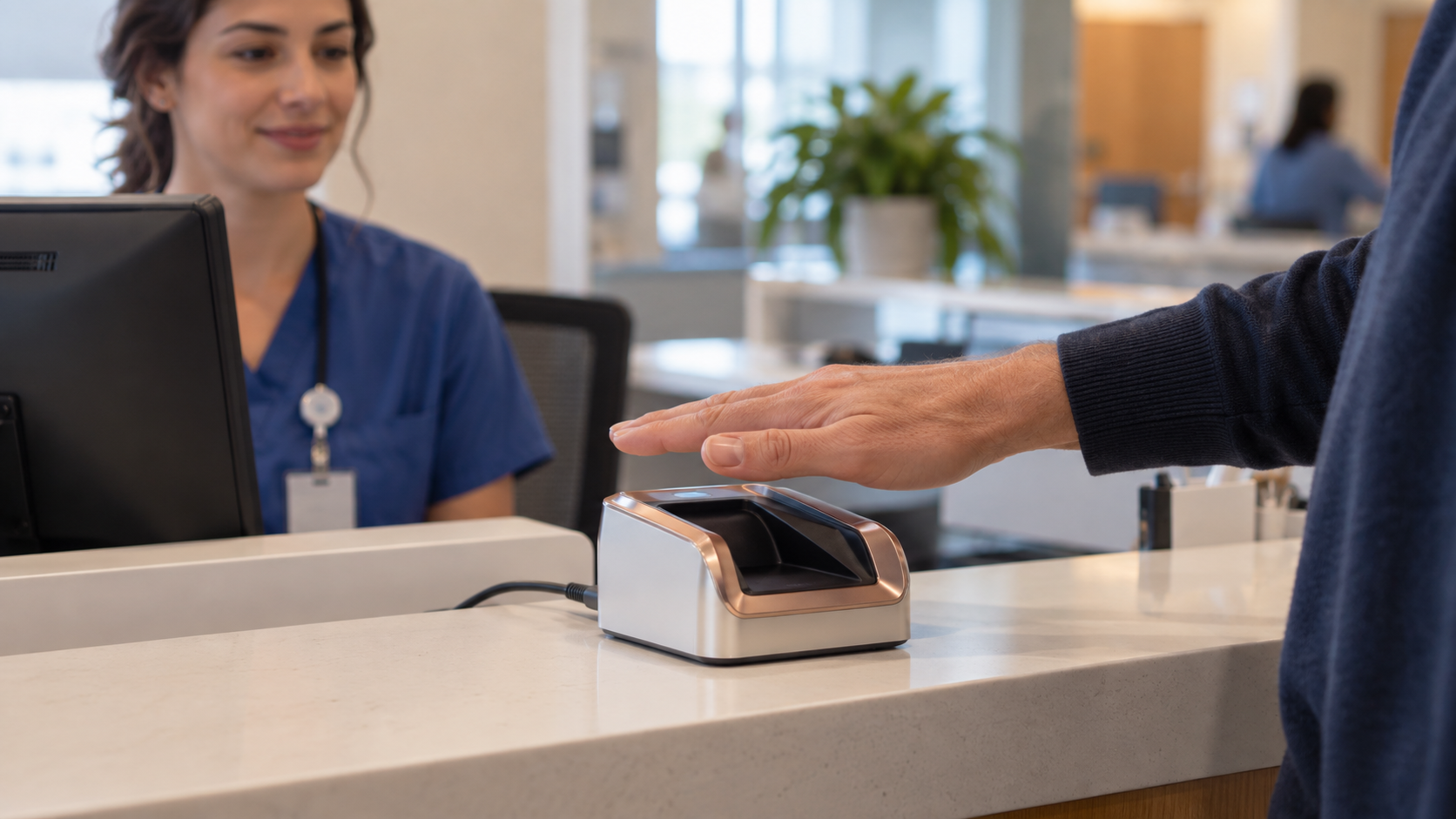
Health systems rely on accurate identification to avoid serious medical errors, and biometrics can help reduce risks. For example, fingerprint or palm-vein scanners can confirm that the right patient receives the right procedure or medication. Mobile health tools also use biometrics—such as heart rate patterns or facial analysis—to detect stress, track sleep, or support chronic-condition management. These technologies allow care providers to tailor treatment and monitoring to an individual’s unique physiology.
While biometrics promises improved efficiency and security, it also raises important ethical and privacy questions. Biometric data is deeply personal and cannot be replaced if stolen. Robust data protection, transparency about how information is stored, and clear consent are essential for maintaining patient trust. Researchers are also working to ensure biometric systems function reliably across diverse populations so that no group is disadvantaged by inaccurate detection.
Looking ahead, biometrics may become even more integrated into daily health experiences—from secure telemedicine logins to wearable devices that automatically alert doctors in emergencies. As the technology evolves, the balance between innovation and privacy will shape how biometrics enhances safety, personalization, and access to healthcare.
Biometrics refers to technologies that identify or verify a person using unique physical or behavioral traits. Common examples include fingerprints, facial recognition, iris patterns, voice characteristics, and even how someone types or walks. These traits are difficult to duplicate, which makes biometrics attractive for security and authentication.
Early biometric use focused on law enforcement fingerprinting in the late 19th and early 20th centuries. With advances in computing, sensors, and mobile devices, biometrics moved into everyday life—unlocking smartphones, logging in to apps, and securing sensitive data. In healthcare, it is increasingly used to protect patient records, confirm identities, and reduce medical errors.
In practice, biometric systems capture a person’s trait with a sensor—such as a fingerprint scanner or camera—and convert it into a digital template. When someone tries to sign in or verify their identity, the new scan is compared to stored templates. If the similarity score crosses a set threshold, the system grants access or confirms the match.
In health settings, biometrics may be used to check patients in at a clinic, match them to the correct medical record, or control which staff can access specific data or medication cabinets. Wearables and health apps can also use biometric signals, like heart rate or facial metrics, to personalize feedback or monitor for concerning patterns. These tools aim to make care more accurate, efficient, and secure.
Despite its benefits, biometrics has important limitations and risks. Biometric data is highly sensitive; if a database of face scans or fingerprints is compromised, those traits cannot be “reset” like a password. Systems can also perform unevenly across different ages, skin tones, or health conditions, raising fairness and accuracy concerns.
Ongoing debate centers on how to gain the security and convenience of biometrics while safeguarding privacy, autonomy, and trust. Strong data protection, clear consent, and transparent policies are critical, especially in healthcare where information is already deeply personal. Supporters argue that well-designed systems can reduce fraud and errors, while critics call for strict oversight and limits on how biometric data is collected, stored, and shared.
Explore more "Explainers"
Discover additional explainers across politics, science, business, technology, and other fields. Each explainer breaks down a complex idea into clear, everyday language—helping you better understand how major concepts, systems, and debates shape the world around us.