

Parliamentary Inquiries Explainer
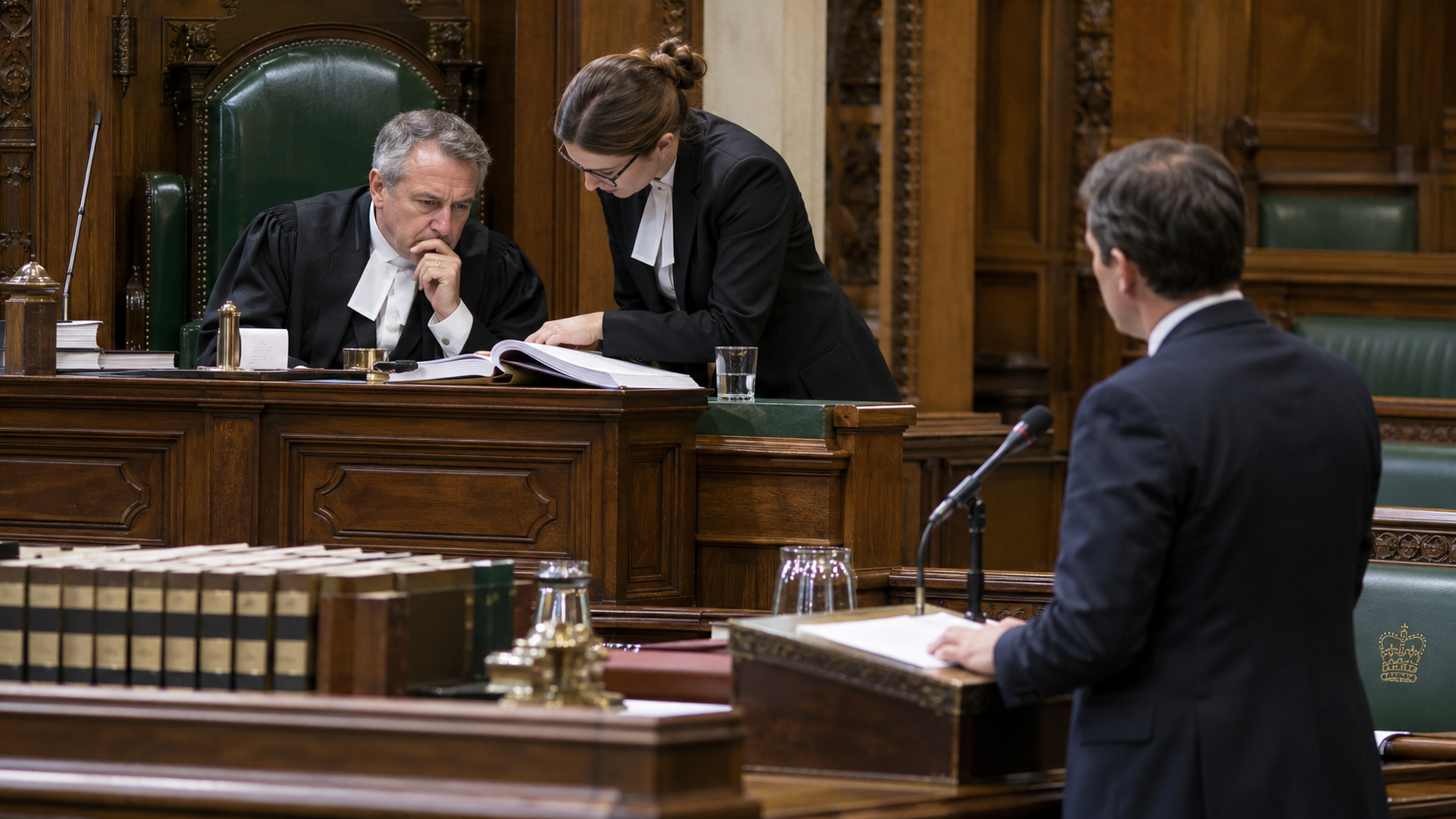
A parliamentary inquiry asks the presiding officer for information about the procedure governing a legislature's current business. A member might want to know which motion is available, how an amendment will be handled, or what stage proceedings have reached. The inquiry helps members understand their procedural options before acting. In the United States House, it is a recognized way to seek clarification from the chair. Its purpose is to explain the chamber's process, rather than obtain a minister's answer about government policy.
Legislative proceedings can involve several overlapping sources of authority. Standing rules provide a basic framework, precedents explain how earlier situations were handled, and a special rule or agreement can shape consideration of a particular measure. An inquiry can help connect those sources to the question immediately before the chamber. For a member deciding what to do next, the answer may be consequential even though asking the question does not itself change the text of a bill or establish a new policy.
Imagine a member wants to propose an amendment but is unsure whether amendments are currently permitted. A parliamentary inquiry can seek clarification before the member attempts to offer it. If the member instead believes a pending action already violates a rule, a point of order is the different tool used to raise that objection. The two can appear close together in a debate: clarification may reveal the grounds for an objection, but a request for information and a formal procedural challenge remain distinct actions.
The term parliamentary should not lead readers to confuse this inquiry with an investigative committee or a broad examination of public affairs. Here it refers to questions about how deliberation proceeds. Nor is an inquiry simply an extra opportunity to deliver a policy speech. The chair's procedural response needs to be read in context, including the pending business and governing rules. Recognizing that context makes a chamber transcript easier to follow: a short exchange about recognition, timing, or available motions can explain why the next legislative step takes a particular form.
A parliamentary inquiry seeks procedural information from the presiding officer about chamber business.
It differs from asking a government minister to defend a policy or provide departmental statistics.
Rules, precedents, and special arrangements may all affect the answer to a procedural question.
Members can seek clarification before deciding whether to offer a motion or amendment.
A point of order alleges a rule violation; an inquiry asks for information about procedure.
The chair's answer should be understood alongside the specific business then before the chamber.
Explore more "Explainers"
Discover additional explainers across politics, science, business, technology, and other fields. Each explainer breaks down a complex idea into clear, everyday language—helping you better understand how major concepts, systems, and debates shape the world around us.