

How Cricket Powerplays Work Explainer
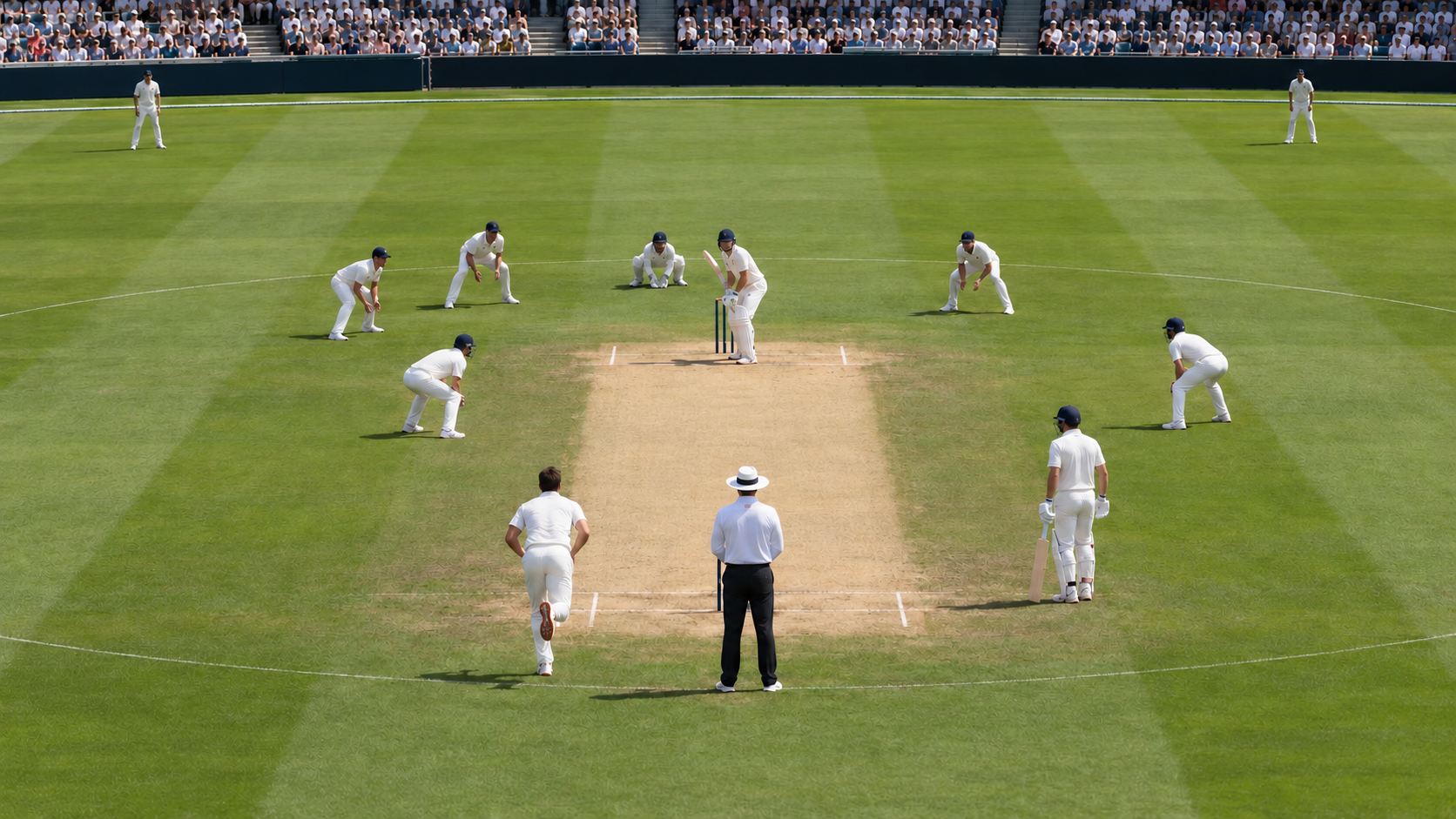
A powerplay is a block of limited-overs cricket in which rules restrict how many fielders may stand outside the inner fielding circle. The restriction creates scoring opportunities but also rewards precise bowling and athletic infield defense. It is a playing-condition feature, not a separate scoring bonus.
In Twenty20 internationals, the opening powerplay occupies the first six overs of a full 20-over innings, with only two fielders permitted outside the circle. Later overs allow more boundary protection. One-day internationals divide a full innings into multiple phases with different limits on outfielders.
Rain-shortened matches adjust the number and timing of restricted overs according to the applicable playing conditions. Umpires signal the phases, and fielding captains must keep the correct number of players inside the marked circle when each delivery is bowled. A breach can produce a no-ball.
Powerplays explain why early innings often look aggressive. Batters can target gaps before the field spreads, while captains place their best catchers inside the ring. Because regulations are periodically updated, the match’s official playing conditions should determine the exact overs and fielding limits.
It limits how many fielders may stand outside the inner fielding circle during designated overs.
No. T20 and ODI matches use different phase lengths and fielding limits, while Test cricket has no comparable powerplay.
The restricted overs are recalculated under the competition’s playing conditions.
Explore more "Explainers"
Discover additional explainers across politics, science, business, technology, and other fields. Each explainer breaks down a complex idea into clear, everyday language—helping you better understand how major concepts, systems, and debates shape the world around us.